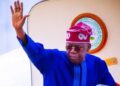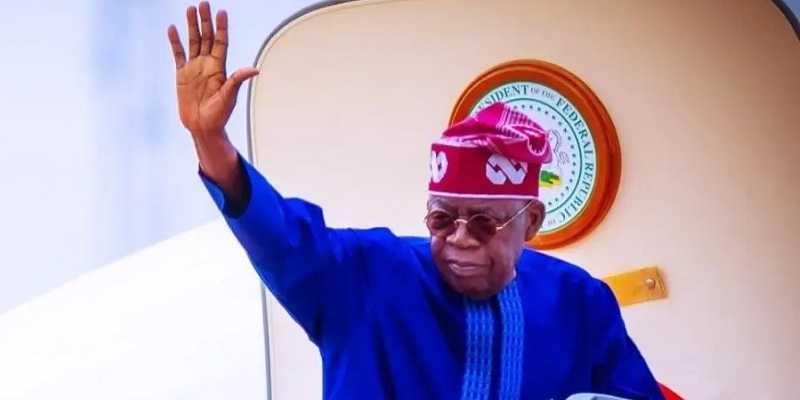
TDPresident Bola Ahmed Tinubu returned to Lagos on Friday to join Eid-el-Fitr celebrations, marking the end of Ramadan, after completing a state visit to the United Kingdom.
The visit was the first by a Nigerian head of state to Britain in 37 years.
It was hailed by the Presidency as a pivotal moment in Nigeria’s diplomatic history.
Tinubu himself described the trip as “very thrilling and significant,” underscoring its role in strengthening bilateral ties and reaffirming Nigeria’s place on the global stage.
Highlights of the UK Visit
-
Bilateral talks at Downing Street
President Tinubu met with senior British officials at Downing Street.

During the meeting, discussions centered on trade, economic cooperation, climate change, terrorism, and broader global challenges.
Both governments emphasized the importance of building resilient economies and tackling shared threats.
Nigeria positioning itself as a strategic partner in Africa’s economic and security landscape.
-
Royal engagements and ceremonial honours
The President and First Lady, Senator Oluremi Tinubu, were received by King Charles III and Queen Camilla at Windsor Castle.
The royal welcome included a guard of honour and a ceremonial 42-gun salute by the King’s Troop Royal Horse Artillery.
At the State Banquet, Tinubu highlighted the shared history and values between Nigeria and the UK.
He stressed that both nations “share a vision of progress and resilience” and must continue building a future rooted in partnership and mutual respect.

Political and Diplomatic Significance
Historic dimension
The visit carried symbolic weight as the first Nigerian state visit to the UK in nearly four decades.
Analysts noted that it signaled a reset in relations, moving beyond historical ties to focus on practical cooperation in areas such as investment, security, and climate resilience.
The trip was widely seen as a diplomatic milestone that could redefine Nigeria’s role in Commonwealth relations and global partnerships.
Economic priorities
Trade and investment were central themes throughout the visit.
Nigeria sought to attract British capital into infrastructure, energy, and private-sector development.
The UK, meanwhile, expressed interest in expanding commercial links with Africa’s largest economy.
Observers noted that the visit could pave the way for new trade agreements and joint ventures, particularly in renewable energy and technology.
Return to Lagos and Eid-el-Fitr Observance
Celebrating Eid with Nigerians
President Tinubu’s arrival in Lagos was timed to coincide with Eid-el-Fitr, a festival that holds deep spiritual and cultural significance for millions of Nigerians.
The Presidency confirmed that Tinubu would participate in prayers and community activities, reinforcing his image as both a national leader and a devout Muslim marking the end of Ramadan.
Balancing faith and governance
Officials indicated that while the President will join Eid festivities, he will also hold follow-up meetings and briefings on the outcomes of the UK visit.
This dual focus reflects his administration’s effort to balance religious observance with pressing national priorities.
Reactions and Next Steps
Domestic response
Political leaders, business stakeholders, and civil society groups welcomed the visit as a chance to attract investment and strengthen Nigeria’s international standing.
Many emphasized that the real test lies in converting diplomatic goodwill into concrete outcomes — from trade deals to enhanced security cooperation.
Diplomatic follow-up
Government sources revealed that technical working groups and ministerial-level committees will be established to implement commitments made during the visit.
Priority areas include trade facilitation, climate partnerships, and counterterrorism collaboration, with expectations that these initiatives will begin to take shape in the coming months.
President Tinubu’s return to Lagos for Eid-el-Fitr capped a state visit that blended ceremonial grandeur with substantive diplomacy.
The trip underscored Nigeria’s enduring ties with the United Kingdom while opening new avenues for cooperation in trade, security, and global challenges.
As Nigerians celebrate Eid, attention now turns to whether the momentum generated abroad will translate into tangible progress at home.
The test could define the success of Tinubu’s foreign policy agenda in the months ahead.