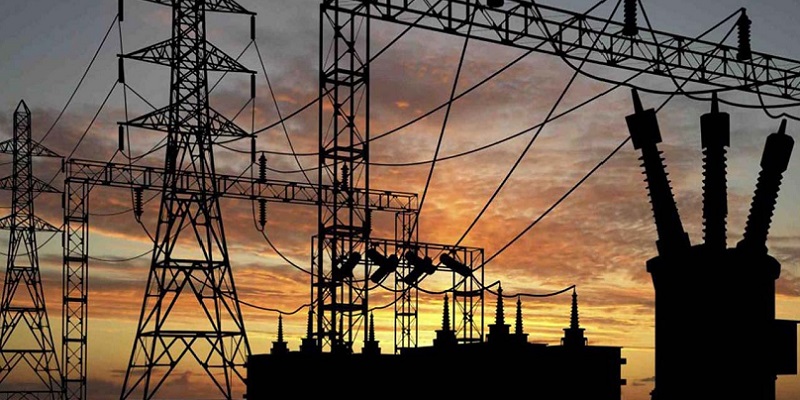

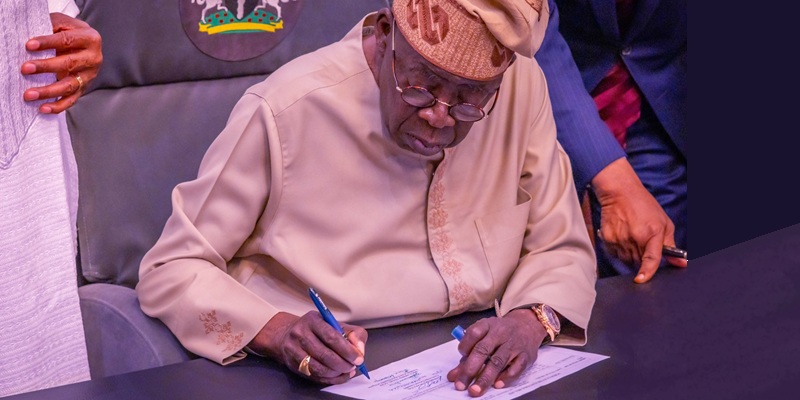
In a bid to stabilize Nigeria’s electricity supply, President Bola Ahmed Tinubu has approved a ₦3.3 trillion payment plan to settle long-standing debts in the power sector.
The announcement, made in a State House press release by Presidential Adviser Bayo Onanuga, marks one of the most ambitious financial interventions in Nigeria’s energy history.
The debts, which accumulated between February 2015 and March 2025, had crippled confidence in the sector, leaving gas suppliers unpaid and power plants struggling to operate.
The new plan, under the Presidential Power Sector Financial Reforms Programme, is designed to provide a clean slate for the industry and pave the way for sustainable growth.
Key Highlights
- ₦3.3 trillion settlement approved as the final resolution of legacy debts.
- 15 power plants have already signed agreements worth ₦2.3 trillion.
- Federal Government has mobilized ₦501 billion, with ₦223 billion disbursed so far.
- Payments are expected to stabilize electricity generation, improve reliability, and attract new investments.
Government’s Position on Power
Special Adviser on Energy, Olu Arowolo-Verheijen, explained that the programme is about more than debt repayment:
“This programme is not just about settling legacy debts.
“It is about restoring confidence across the power sector — ensuring gas suppliers are paid, power plants can keep running, and the system begins to work more reliably.”
She highlighted ongoing reforms such as better metering systems and service-based tariffs, which link consumer payments to the quality of electricity received.
The government is also prioritizing supply to businesses, industries, and small enterprises, recognizing that reliable electricity is critical for job creation and economic expansion.
What More Power Means for Nigerians
- Households: More stable electricity, reducing reliance on generators.
- Businesses: Improved power supply to industries and SMEs, lowering costs and boosting productivity.
- Economy: Renewed investor confidence, job creation, and stronger infrastructure for growth.
Broader Context
Nigeria’s power sector has long been plagued by inefficiencies, underinvestment, and mounting debts.
Frequent blackouts have stifled industrial growth and forced households to depend on costly alternatives.
Analysts believe that if the ₦3.3 trillion settlement is implemented effectively, it could mark a turning point in addressing one of the country’s most persistent economic bottlenecks.
President Tinubu praised stakeholders for their cooperation in resolving the sector’s legacy challenges.
He confirmed that Series II of the programme will begin this quarter, signaling continuity and sustained reform.
This development represents a bold attempt to rewrite Nigeria’s energy story.
If successful, it could usher in a new era where reliable electricity becomes the norm rather than the exception, unlocking opportunities across homes, businesses, and industries.