THIS DAWN — In 1783, as the guns of the American Revolutionary War fell silent, the British faced a daunting dilemma.
They were evacuating New York City, their last stronghold in the former colonies, but thousands of Black people—enslaved and free—who had sought refuge with the Crown were at risk of being returned to bondage.
To document and protect those promised freedom, British officials created a meticulous ledger: the Book of Negroes.
Though its pages were little known for centuries, this document has since emerged as one of the most significant records of Black lives in the 18th century, tracing the journeys of nearly 3,000 individuals across continents and generations.
A Record of Lives, Freedom, and Hope
The Book of Negroes lists the names, ages, physical descriptions, former enslavers, and destinations of men, women, and children who fled to the British during the Revolutionary War. Some notable figures include:
- Boston King, who escaped from South Carolina, became a preacher in Nova Scotia, and later helped establish Christian missions in Sierra Leone.
- David George, a Virginia-born Baptist minister, who faced racism in Nova Scotia but went on to shape Freetown’s early religious life.
- Harry Washington, once enslaved by George Washington, who gained freedom and settled first in Nova Scotia, then Sierra Leone.
- Moses Wilkinson, a blind preacher whose spiritual leadership guided many Black Loyalists through adversity.
These stories reflect the diversity of Black Loyalists: families, preachers, laborers, and soldiers—all seeking freedom in the wake of revolution.
Freedom as Strategy
The creation of the Book of Negroes was deeply entwined with British military strategy.
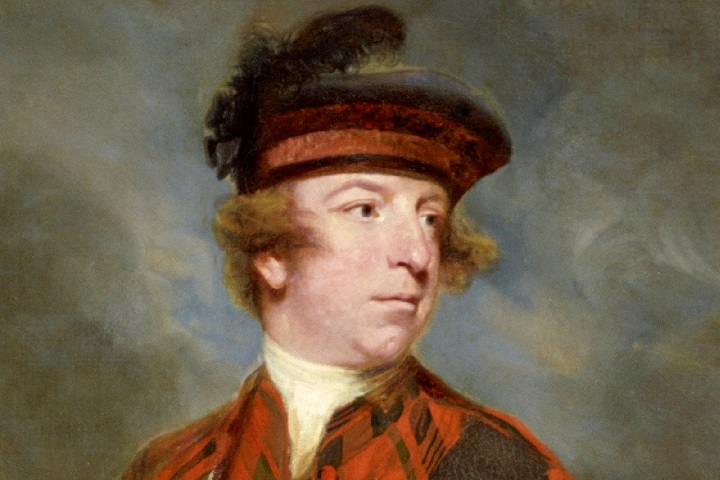
Early in the war, British proclamations—including Lord Dunmore’s 1775 declaration in Virginia—promised freedom to enslaved people who fled rebel masters.
By war’s end, thousands had responded.
But the British faced pressure under the Treaty of Paris (1783) to return property, including enslaved people, to American owners.
To honor their promises while navigating international diplomacy, British authorities compiled the Book. It was both a record and a shield: proof that those listed had earned their freedom.
Certificates were issued, and nearly 3,000 Black Loyalists boarded ships bound for Nova Scotia, New Brunswick, and even England.
Building New Communities in North America
For many, Nova Scotia became home. Settlements such as Birchtown, Shelburne, and North Preston arose, forming some of the earliest Black communities outside Africa.
There, Black Loyalists built churches, schools, and social networks, even as they faced broken land promises, systemic racism, and violent attacks like the Shelburne Race Riots of 1784.
The Book also preserves a crucial genealogical record for African Americans and Canadians, allowing families to trace ancestors with unprecedented detail.
A Journey to Africa: Founding Freetown
Conditions in Nova Scotia proved harsh, prompting approximately 1,200 Black Loyalists to migrate to West Africa in 1792. They founded Freetown, now the capital of Sierra Leone.
There, they created the Krio community, a new cultural identity blending African and African American traditions.
The Krio people brought literacy, religious institutions, and early forms of self-governance, influencing broader movements of African self-determination and pan-Africanism.
The Book’s legacy thus extends across the Atlantic, connecting the American colonies, Canada, and Africa.
Global Cultural Impact
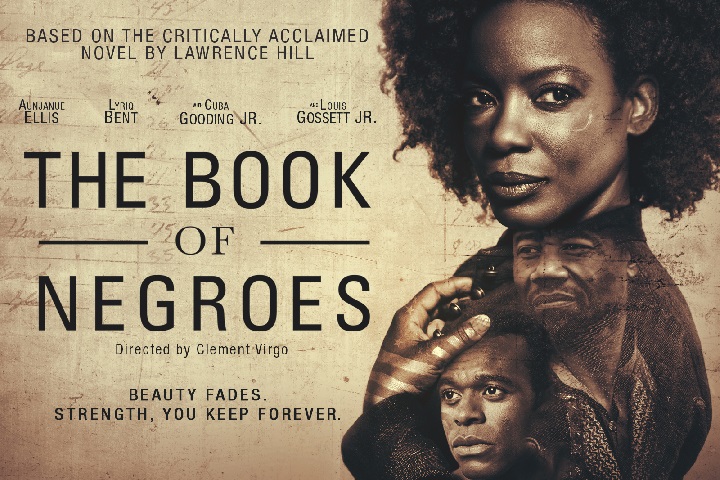
The historical record inspired Lawrence Hill’s 2007 novel The Book of Negroes (published in the U.S. as Someone Knows My Name) and a 2015 TV miniseries that introduced the story to a global audience. It serves as a symbol of Black resilience, survival, and agency.
The ledger also informs contemporary scholarship on slavery, migration, and Black identity, and it is increasingly cited in debates over reparations, historical justice, and diaspora studies.
A Testament to Black Agency
The Book of Negroes is more than a document; it is a record of lives that navigated war, displacement, and the struggle for freedom.
It charts the earliest mass migration of Black people in pursuit of liberty, showing that enslaved and formerly enslaved individuals were not merely passive subjects of history—they were agents shaping it.
Across North America, Europe, and Africa, the legacy of the Book continues to resonate. From the streets of Nova Scotia to the churches of Freetown, it stands as a global testament to courage, resilience, and the enduring human desire for freedom.
Sources and Further Reading:
- The U.K. National Archives: Book of Negroes
- Lawrence Hill, The Book of Negroes / Someone Knows My Name
- Barry Cahill, The Loyalists in Nova Scotia
- John W. Whiteside, Black Loyalists: The Search for a Promised Land