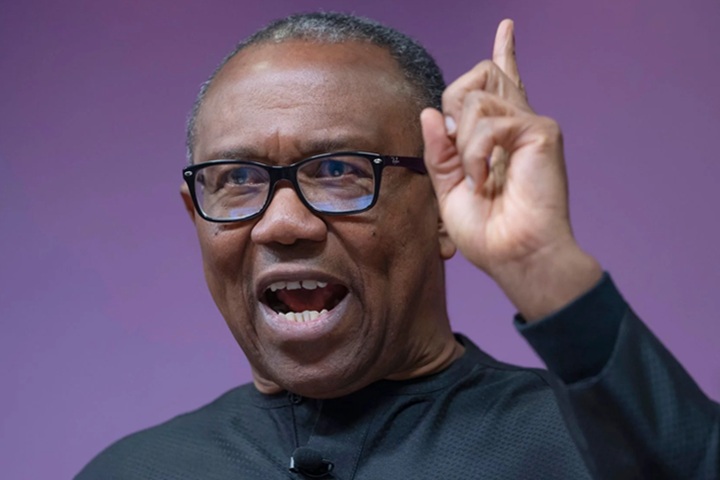
THIS DAWN — Former presidential candidate and leader of Nigeria’s opposition movement, Peter Obi, has issued a strong critique of the federal government’s taxation policies, warning that prosperity cannot be achieved by “taxing poverty.”

In a wide‑ranging statement, Obi emphasized that honest leadership, transparency, and production—not punitive taxation—are the foundations of sustainable economic progress.
His remarks come amid growing public discontent over rising taxes and allegations of irregularities in Nigeria’s fiscal framework.
Leadership and Honesty as Foundations of Progress
Obi began by reflecting on his travels and interactions with leaders who have successfully transformed their nations.
He noted that lasting economic and social progress begins with national consensus, built on honesty and transparency.
According to him, true leaders do not exploit their people to enrich themselves and a few cronies; rather, they build trust, unity, and shared purpose.
He argued that Nigeria’s current approach to taxation must be measured against this standard of honest leadership.
For taxation to function as a genuine social contract, it must be rooted in sincerity, fairness, and concern for the welfare of citizens.
Without clarity and accountability, Obi warned, taxation becomes a burden rather than a mechanism for growth.
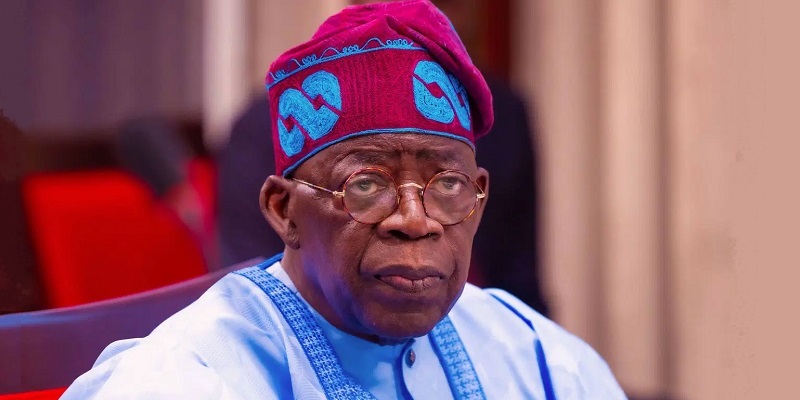
Critique of Nigeria’s Taxation System
Obi criticized the federal government for imposing taxes without adequate explanation or visible benefits. He stressed that the purpose of fiscal policy is not merely to raise revenue but to make the people wealthier so that the nation itself becomes stronger.
“You cannot tax your way out of poverty—you must produce your way out of it,” he declared.
He argued that Nigerians are currently asked to pay taxes without transparency, leaving many confused about how revenues are used. This lack of trust, he said, undermines national unity and shared prosperity.
Empowering Small Businesses as the Solution
Obi outlined his vision for a people‑centred tax system, beginning with the empowerment of small and medium‑sized enterprises (SMEs).
He explained that when small businesses thrive, jobs are created, incomes rise, and the tax base expands naturally.
Rather than squeezing citizens through higher taxes, government should focus on policies that stimulate production and enterprise.
By supporting SMEs in every community, Obi believes Nigeria can build a stronger economy where taxation becomes a natural by‑product of growth rather than a forced burden.
The Tax Fraud Saga
Obi expressed alarm over the ongoing controversy surrounding Nigeria’s tax laws. For the first time in the country’s history, a tax law has reportedly been forged.
The National Assembly itself admitted that the version gazetted was not the same as the one passed into law.
Despite this revelation, citizens are being asked to pay higher taxes under what Obi described as a manipulated framework—one lacking transparency, explanation, and corresponding benefits.
He warned that such practices erode trust in government and violate the principles of good governance.
Taxation Upon Poverty Deepens Hardship
Obi rejected the notion that increased government revenue should be celebrated when citizens are growing poorer.
He argued that any tax system that makes people poorer is fundamentally flawed.
Taxing poverty, he said, does not create wealth; it only deepens hardship and inequality.
He emphasized that taxation must be lawful, fair, and people‑centred.
A system that rewards enterprise, protects the vulnerable, and restores trust between government and citizens is essential for Nigeria’s future.
Peter Obi’s statement is both a critique of current fiscal practices and a call for reform.
He insists that prosperity cannot come by taxing poverty, but by building a transparent, fair, and production‑driven economy.
His vision places small businesses at the heart of national development, arguing that empowering communities will naturally expand the tax base and strengthen the nation.
As Nigeria grapples with economic challenges, Obi’s intervention highlights the urgent need for a tax system that supports growth rather than stifles it.
Only by aligning fiscal policy with honesty, fairness, and production can Nigeria achieve unity, shared prosperity, and lasting progress.