THIS DAWN — A major constitutional and legislative crisis is unfolding in Nigeria following allegations that the gazetted version of the 2025 Tax Acts differs materially from the harmonised Bill passed by both chambers of the National Assembly.

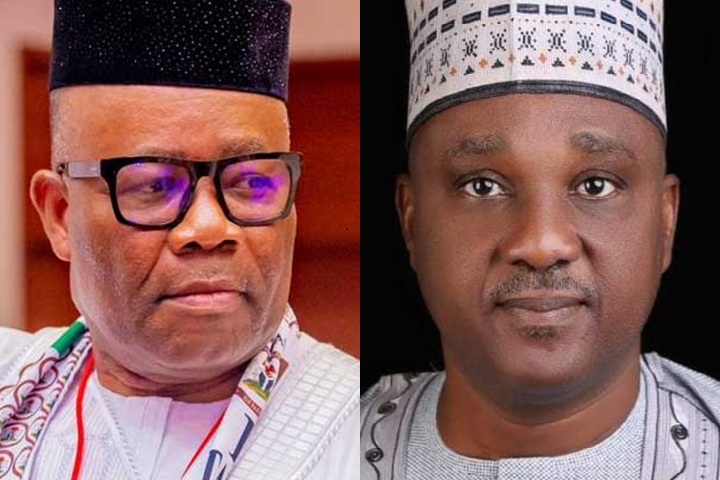
The controversy, first raised publicly by Hon. Abdussamad Dasuki, has now escalated into formal legal action.
Civil society groups and legal advocates are demanding transparency and accountability from the legislature.
At the heart of the dispute is a formal pre-action notice and Freedom of Information request submitted by Legalify Attorneys.
Legalify made the submission on behalf of the Lawyers for Civil Liberty (LACIVLER Development Foundation) and concerned citizens, including Mr. Emmanuel Orjih.
The CSO addressed the letter to the Clerk of the National Assembly, who received it on December 23, 2025.
it called for the immediate disclosure of the final harmonised Bill and certified true copies of the legislation passed by both the Senate and the House of Representatives.
Legal Demands and Constitutional Questions Over Tax Acts
The legal document outlines five key declarations that the plaintiffs intend to raise in court:
- That a law whose authenticity is in dispute cannot lawfully determine tax liability.
- That the President or any government body cannot enforce a law altered after legislative passage without breaching constitutional separation of powers.
- That a gazetted law materially different from the version passed by Parliament is invalid.
- That the National Assembly must ensure the text sent for presidential assent reflects the harmonised version.
- That citizens cannot be compelled to comply with a law whose legislative integrity is in doubt, as it violates constitutional rights including due process and property protection.
The legal team argues that enforcing a tax statute under such conditions raises grave constitutional concerns, particularly around legality, certainty, and due process.
Chidi Odinkalu Weighs in on Altered Tax Acts
Prominent human rights lawyer and former National Human Rights Commission chair, Chidi Odinkalu, has described the situation as “beyond substantial.”
Odinkalu made the remarks in a widely shared post on X.
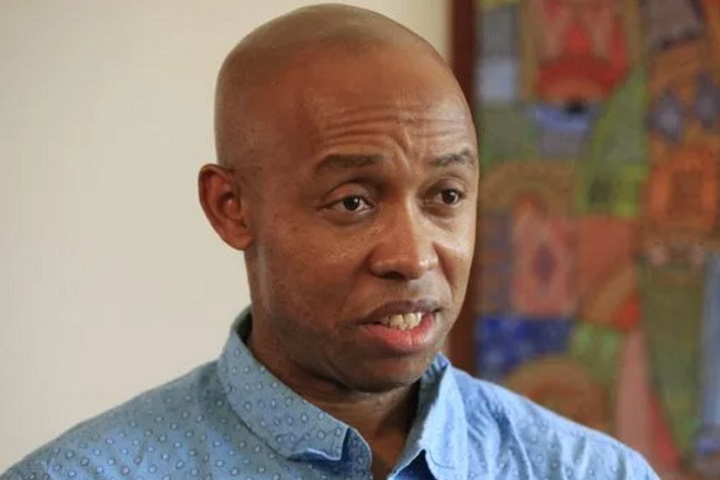
He criticized the silence from Senate President Godswill Akpabio and the disappearance of official Votes and Proceedings.
“Over one week since Hon @abdussamadd outed this issue, the president of @NGRSenate has disappeared, along with #VotesAndProceedings.
“Even senior members of @nassnigeria are being denied access,” Odinkalu wrote.
He warned that judges who typically dismiss cases on technical grounds like locus standi may attempt their “usual gambit”.
He, however, emphasized that the matter will be “very interesting.”
Institutional Silence and Public Concern
The National Assembly has yet to issue a formal response to the allegations or the legal request.
The absence of the Votes and Proceedings—the official record of legislative activity—has further fueled suspicion and public outrage.
Civil society groups raised eyebrows in case the gazetted version of the Tax Acts was altered after legislative passage.
They argue that the altered version of the Tax Acts constitutes a breach of legislative procedure and undermines the rule of law.
The implications are far-reaching, as tax laws directly affect citizens’ proprietary rights and financial obligations.
What’s at stake?
- Legislative Integrity: The case challenges whether Nigeria’s legislative process can be trusted to produce laws that reflect parliamentary debate and consensus.
- Executive Accountability: It raises questions about the role of the presidency in vetting and assenting to laws.
- Judicial Oversight: Courts may be called upon to determine whether enforcement of the disputed law is constitutional.
- Public Trust: The controversy threatens to erode confidence in democratic institutions and the legislative process.
Next Steps
Legalify Attorneys have signaled that failure to comply with the Freedom of Information request will trigger formal litigation.
The case could become a landmark test of Nigeria’s constitutional safeguards and the robustness of its legislative procedures.
Meanwhile, pressure is mounting on the National Assembly leadership to clarify the status of the Tax Acts and release the harmonised version of the Bill.
Observers say the outcome could reshape how laws are processed, published, and enforced in Nigeria.
Meanwhile, Nigeria is about to enter the enforcement phase of its 2025 Tax Acts.
The unfolding legal and political drama underscores the critical importance of legislative transparency and constitutional fidelity.
With civil society mobilizing and legal action imminent, the nation may be on the cusp of a defining moment in its democratic evolution.
Watch Hon. Dasuki’s Tax Law revelation that resulted in constitutional earthquake below: