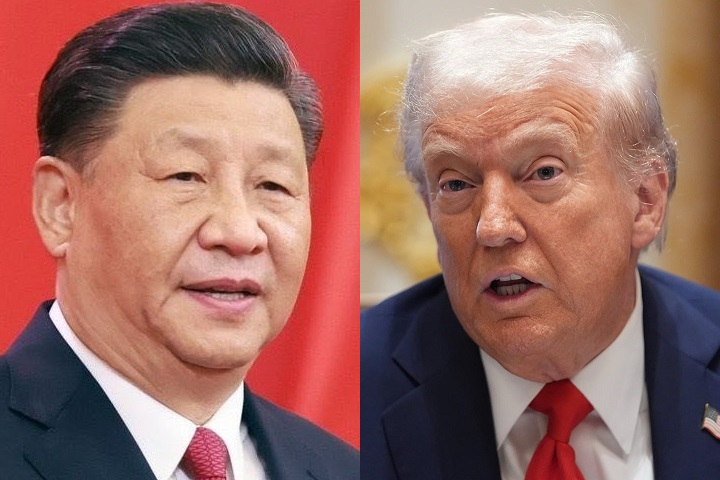
THIS DAWN — China has strongly condemned the United States’ approval of an $11 billion arms sale to Taiwan, calling it a dangerous violation of the “one-China principle” and warning of “serious consequences” if the deal goes forward.

The package, announced by the US State Department late Wednesday, represents one of Washington’s largest-ever military sales to the self-ruled island, which Beijing claims as its territory.
Beijing’s Warning Against Arming Taiwan
Chinese Foreign Ministry spokesperson Guo Jiakun told reporters in Beijing that the US must “immediately stop the dangerous actions of arming Taiwan”.
Jiakun told the United States to abide by the one-China principle and the three China-US joint communiqués.
He accused Washington of “playing with fire” and said the move undermines regional stability.
“China urges the United States to immediately stop arming Taiwan.
“Any attempt to use Taiwan to contain China is doomed to fail,” Guo said.
Beijing has long opposed US arms sales, viewing them as interference in its internal affairs.
The latest package, however, is particularly significant given its size and scope, and comes at a time of heightened tensions in the Taiwan Strait.
Details of the Arms Package
The $11.1 billion deal includes advanced weapons systems such as:
- 60 self-propelled howitzer artillery units,
- drones valued at over $1 billion, and,
- other military equipment designed to bolster Taiwan’s defense capabilities.
The package is part of Washington’s ongoing commitment to help Taipei deter potential Chinese military action.
Taiwan’s Defense Ministry welcomed the approval, saying it would strengthen the island’s ability to defend itself against “increasing threats” from China.
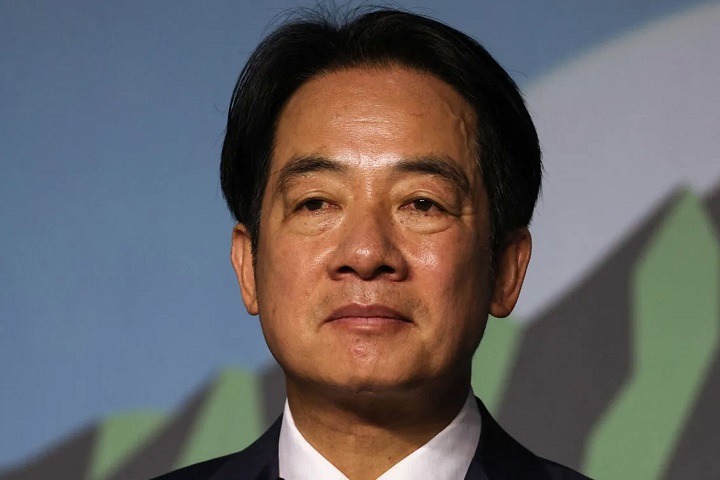
President Lai Ching-te has previously vowed to expand Taiwan’s defense spending.
Ching-te announced a supplementary $40 billion defense budget to run from 2026 to 2033.
US Position
The United States, Taiwan’s largest arms supplier, has consistently maintained that its support is aimed at ensuring Taiwan can defend itself.
While Washington does not formally recognize Taiwan as a sovereign state, it said it is bound by the Taiwan Relations Act to provide the island with defensive weapons.
US officials have argued that the arms sale is necessary to maintain peace and stability in the region.
However, the deal has drawn sharp criticism from Beijing, which sees it as emboldening Taiwan’s independence movement.
Rising Tensions in the Taiwan Strait
The arms sale comes amid growing fears of a potential Chinese invasion of Taiwan.
President Lai has warned that Beijing aims to seize the island by 2027.
The timeline has alarmed regional allies and prompted Taipei to accelerate its military modernization.
China has increased military drills near Taiwan in recent months, including large-scale exercises simulating blockades and amphibious assaults.
Analysts say the arms package is likely to further inflame tensions.
Beijing, it is feared, may potentially respond through military maneuvers or economic retaliation.
Global Reactions
The deal has also drawn international attention, with allies such as Japan and Australia closely monitoring developments.
Both countries have expressed concern about China’s growing assertiveness in the region and have strengthened security ties with the US and Taiwan.
Meanwhile, observers warn that the arms sale could complicate US-China relations on other fronts.
These may include trade negotiations and cooperation on global issues such as climate change.
The $11 billion arms sale underscores Washington’s commitment to Taiwan’s defense but risks deepening hostilities with Beijing.
China’s warning of “serious consequences” highlights the fragile state of cross-strait relations and the potential for escalation in one of the world’s most volatile flashpoints.
As Taipei prepares to bolster its defenses and the US reaffirms its support, the coming months will test the resilience of regional stability.
Whether Beijing chooses diplomatic, economic, or military measures in response remains uncertain.
Meanwhile, the stakes for both sides—and for the wider Indo-Pacific—are higher than ever.