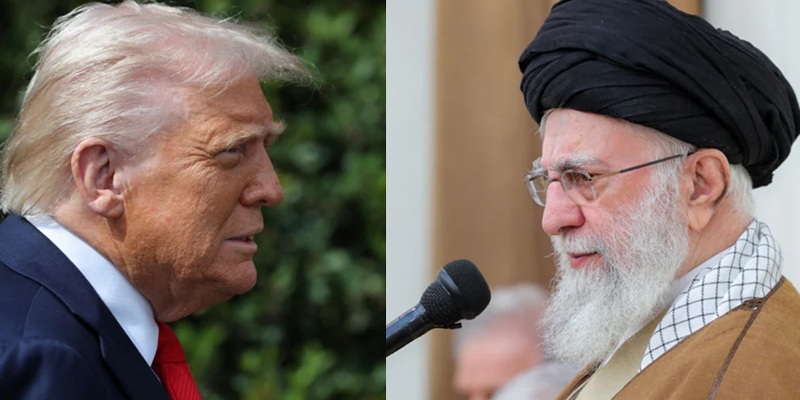
TDPresident Donald J. Trump has delivered one of his most forceful warnings yet to Tehran, demanding that Iran fully reopen the Strait of Hormuz within 48 hours or face devastating military strikes on its power infrastructure. The ultimatum, issued late Sunday, has sent shockwaves through global capitals and energy markets, raising fears of an unprecedented escalation in the ongoing conflict.

The Ultimatum
In a statement posted on social media, Trump declared:
“If Iran doesn’t FULLY OPEN, WITHOUT THREAT, the Strait of Hormuz, within 48 HOURS from this exact point in time, the United States of America will hit and obliterate their various POWER PLANTS, STARTING WITH THE BIGGEST ONE FIRST…”
The warning comes after weeks of mounting tension, including Iran’s missile strikes on Western military bases and its continued blockade of the Strait, a vital artery for global oil and gas shipments. Trump’s words mark a clear shift from defensive operations to the threat of direct attacks on Iran’s domestic infrastructure.
See a screenshot of the post below:

The warning comes after weeks of mounting tension, including Iran’s missile strikes on Western military bases and its continued blockade of the Strait, a vital artery for global oil and gas shipments. Trump’s words mark a clear shift from defensive operations to the threat of direct attacks on Iran’s domestic infrastructure.
Why the Strait of Hormuz Matters
- Global Energy Hub: Roughly 20% of the world’s oil supply passes through the Strait of Hormuz, making it one of the most strategically important waterways on Earth.
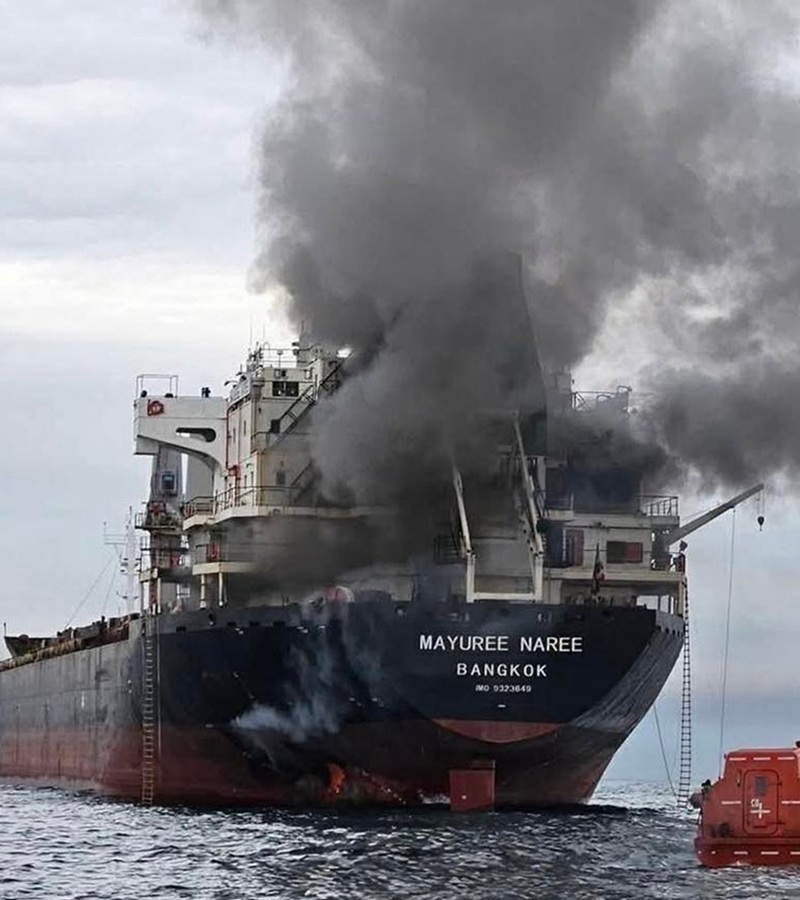
- Economic Impact: Iran’s blockade has already driven oil prices above $118 per barrel, sparking inflation and energy crises across Europe, Asia, and North America.
- Strategic Leverage: Control of the Strait gives Iran immense power over global trade and energy security, effectively holding the world economy hostage.
Escalating Confrontation
Iran’s recent missile strike on the US-UK base at Diego Garcia demonstrated a range far beyond its previously claimed capabilities, proving that Tehran can reach targets nearly 3,800 km away. This revelation has alarmed NATO allies, who now recognize that European capitals such as London (2,750 miles), Paris (2,610 miles), and Berlin (2,200 miles) are within striking distance.
Trump’s threat to obliterate Iranian power plants represents a dramatic escalation. Analysts warn that such strikes could plunge large parts of Iran into blackout, cripple its economy, and provoke retaliation on a scale not yet seen in the conflict.
Global Reactions
- NATO Allies: European governments are urgently assessing contingency plans to protect energy supplies and brace for potential Iranian retaliation. Some leaders expressed concern that striking civilian infrastructure could trigger humanitarian crises.
- Middle East Partners: Gulf states, already under threat from Iranian attacks on shipping and LNG facilities, welcomed Washington’s firm stance, viewing it as a necessary step to secure regional stability.
- Markets: Oil and gas prices surged further on news of Trump’s ultimatum, with traders warning of catastrophic supply shocks if military action proceeds. Energy analysts predict that prolonged disruption could push prices well beyond $130 per barrel.
Implications
If carried out, strikes on Iran’s power plants would represent the largest US offensive action in the conflict to date. The consequences could be severe:
- Domestic Fallout in Iran: Blackouts, economic paralysis, and potential unrest among civilians.
- Regional Escalation: Iran could retaliate against US allies in the Gulf, expand attacks on shipping, or unleash proxy forces across the Middle East.
- Global Security: NATO may be forced to expand missile defense systems across Europe, while Asian economies dependent on Gulf energy supplies brace for disruption.
Experts caution that the ultimatum leaves little room for diplomacy. The next 48 hours may determine whether the crisis remains contained or spirals into a full-scale regional war with global consequences.
In Short…
Trump’s 48-hour ultimatum underscores the gravity of the crisis: Iran’s stranglehold on the Strait of Hormuz has become a global emergency. With energy markets destabilized, NATO allies on edge, and military tensions at boiling point, the world is watching anxiously.
Washington has drawn a red line. Unless Iran reopens the Strait of Hormuz immediately, the United States is prepared to obliterate Iran’s power grid — a move that could reshape the conflict and plunge the region into unprecedented turmoil.