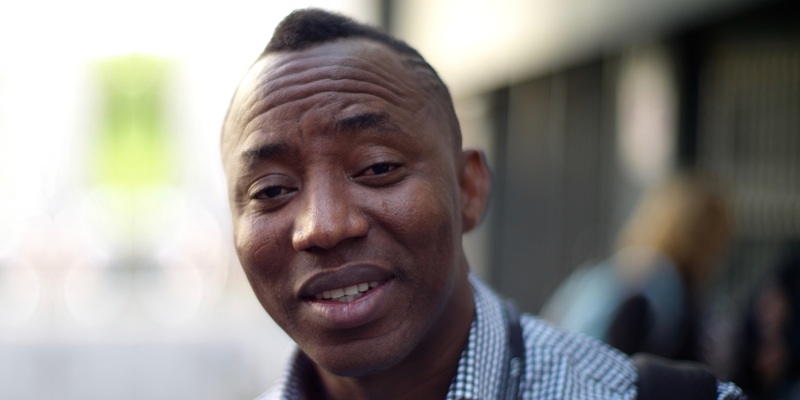
TDNigeria’s opposition politics has been thrown into fresh controversy after activist and former presidential candidate Omoyele Sowore branded Peter Obi’s “Obidient Movement” a “political Ponzi scheme.”

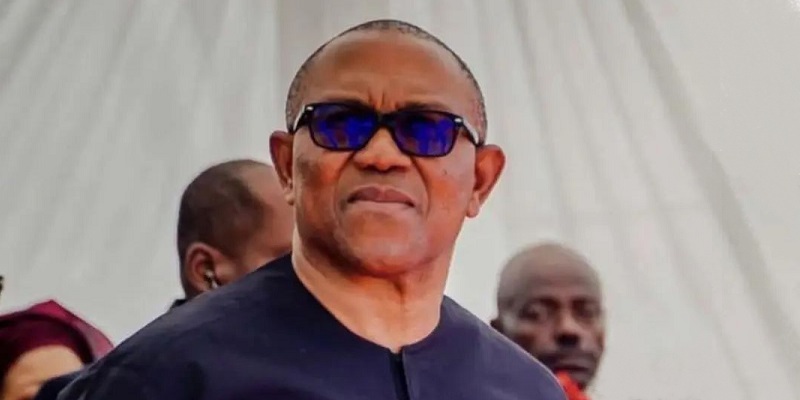
The remark was made in the aftermath of Obi’s March 22 meeting with former Kano State Governor, Rabiu Musa Kwankwaso.
The remarks have ignited fierce exchanges across social media and political circles, exposing the deepening fractures within the opposition ahead of the 2027 elections.
Sowore alleged that Obi’s supporters were hypocritical, celebrating the prospect of a Kwankwaso alliance while deriding his own Aba protest turnout.
He suggested that their enthusiasm was rooted in envy rather than genuine political strategy.
Obidients Fire Back
In response, Obidients circulated videos of Obi drawing massive solo crowds at Kano’s Singer Market.
Obidients insisted that Obi’s popularity was organic and not dependent on alliances.
They accused Sowore of harboring resentment and of deliberately targeting prominent Igbo leaders, including Peter Obi and Abia State Governor, Alex Otti.
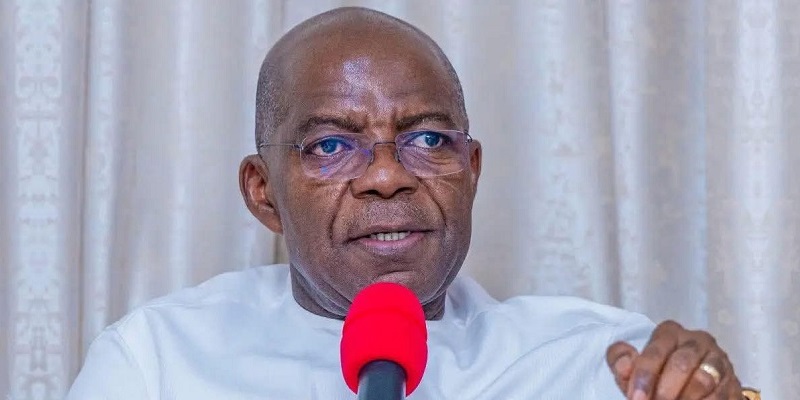
Sowore’s Remarks About Alex Otti
Sowore recently criticized Governor Otti following a visit to the state (reportedly tied to protests demanding the release of Nnamdi Kanu).
He elaborated in interviews and statements that he observed partial development, e.g., some improved areas in Aba like parts of Ariaria market.
He, however, felt it was incomplete and not statewide.
Sowore argued that anything short of full transformation across Abia amounts to failure, rejecting incremental or “half” progress as insufficient.
He mentioned speaking with locals who praised Otti but insisted on judging based on his own observations.
His main remarks, widely circulated in videos and social media posts from around March 23–25, 2026, include the following direct quotes:
“After visiting Abia State, I can confirm to everyone that Alex Otti is a failure. I don’t believe in half transformation.” (Instagram)
“I can confirm to you that Alex Otti is a failure in Abia State because he is doing half transformation… I don’t believe in half transformation. That is a failure to me. I must tell you the truth.” (Facebook)
Sowore Faces Backlash
These comments have sparked significant backlash, especially from supporters of Otti and many in the South-East.
These view Otti’s administration positively for infrastructure, sanitation, and other visible improvements compared to previous governments.
Critics accuse Sowore of demarketing Otti, inconsistency, given his history of criticizing many politicians, or possible political motives.
Some of Sowore’s own comrades have reportedly distanced themselves from the remarks.
StatiSense Counters with Election Data
Data analytics platform, StatiSense, entered the fray, dismantling Sowore’s claims with hard numbers from the 2023 presidential election.
Their analysis underscored the vast gulf between Obi’s performance and Sowore’s:
See table below:
| Peter Obi | Omoyele Sowore | |
| Total Votes | 6,101,533 | 14,606 |
| States Won | 12 | 0 |
| 25% Vote Threshold | 16 | 0 |
StatiSense emphasized that Sowore’s 14,606 votes would not fill half of the 30,000-capacity Godswill Akpabio International Stadium.
Meanwhile, Obi’s tally could fill it more than 200 times.
Sowore’s national support base amounted to just 0.23% of Obi’s vote volume, a statistic that starkly illustrates the disparity in their political reach.
Opposition Politics: Unity vs. Rivalry
The clash highlights the growing tension within Nigeria’s opposition as the 2027 elections draw closer.
The ruling All Progressives Congress (APC) continues to dominate the political landscape.
In the meantime, though, opposition figures face the dual challenge of building coalitions while managing personal rivalries.
Obi’s meeting with Kwankwaso was widely seen as a strategic move toward forging a broader alliance capable of challenging APC’s entrenched power.
Yet Sowore’s criticism reflects the difficulty of achieving consensus among opposition leaders.
He claimed that many of them harbor competing ambitions and ideological differences.
Hurdles Before Peter Obi
Observers note that while Obi’s movement has demonstrated significant grassroots strength, the opposition’s inability to present a united front could undermine its chances in 2027.
Sowore’s remarks, though, has been dismissed by many as politically motivated.
However, it underscored the fragility of opposition unity and the ease with which internal disputes can derail coalition-building efforts.
The war of words between Sowore and Obi’s supporters illustrates both the vibrancy and volatility of Nigeria’s opposition politics.
More Backlashes
Sowore’s provocative description of the Obidient movement has drawn sharp rebukes.
In return, StatiSense’s data-driven rebuttal has reinforced Obi’s stronger electoral standing.
As Nigeria heads toward another high-stakes presidential contest, the episode serves as a reminder.
It emphasises that opposition leaders must navigate not only the challenge of confronting APC dominance but also the internal divisions that threaten to weaken their collective strength.
For now, Sowore’s critique has amplified debate, but the numbers suggest Obi’s movement remains the more formidable force.
Whether opposition figures can overcome rivalry and forge unity will be decisive in shaping the outcome of the 2027 race.