
Introduction
The International Society for Civil Liberties and Rule of Law (Intersociety) has released a comprehensive report detailing the escalating threats facing Africa’s Christian population.
Based on tracked, monitored, and archived statistics spanning nearly two decades, the findings reveal a disturbing trajectory of violence, persecution, and displacement that could reshape the continent’s religious landscape over the next century.
The report is not merely a compilation of numbers; it is a sobering narrative of communities uprooted, churches destroyed, and faith traditions under siege.
It warns that unless urgent action is taken, Africa’s Christian population — which has grown exponentially over the past century — could face catastrophic decline.
Africa’s Christian Population Under Siege
Africa is home to an estimated 750 million Christians, nearly half of its 1.5 billion population.
This represents an exponential rise from just 10 million Christians in 1900–1910.
However, the report warns that unchecked violence and systemic persecution could lead to a 90% decline in Christian numbers by 2100, with possible obliteration by 2125.
Collapse in North Africa
The decline is most visible in North Africa, once a cradle of Christianity:
- Algeria: Christians now number fewer than 100,000, a fraction of the population.
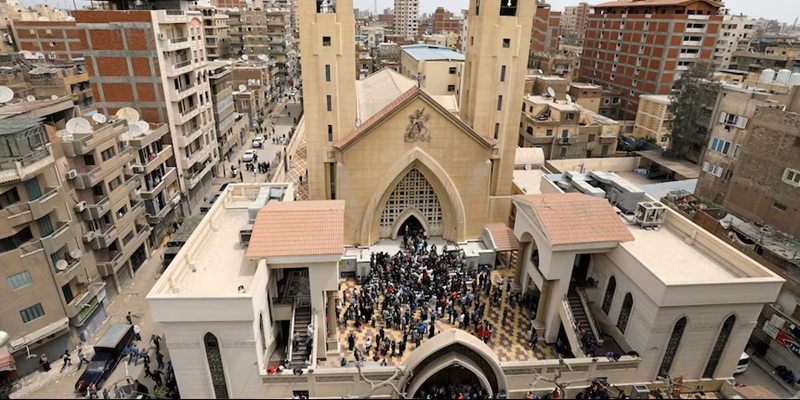
- Egypt: Coptic Christians, once 8–10 million strong, have lost nearly 90% of their population strength over four decades due to persecution, forced conversions, and exile.
Regional Concentration
The majority of Africa’s Christians are concentrated in the “Black Sub-Continent”:
- Nigeria: 113 million Christians, including 30 million Catholics.
- Congo DRC: 110 million Christians, half of them Catholic.
- Ethiopia: 77 million Christians, primarily Ethiopian Orthodox Tewahedo.
Together, these three nations account for nearly 300 million Christians, but they are also the most endangered, facing jihadist incursions and systemic violence.
Nigeria: The Epicenter of Crisis
Nigeria emerges as the most alarming case study in the report.
Key Statistics (2009–2026)
- 189,300 civilians killed, including 128,000 Christians and 61,300 Muslims.
- 130,000 abducted, including 80,000 Christians.
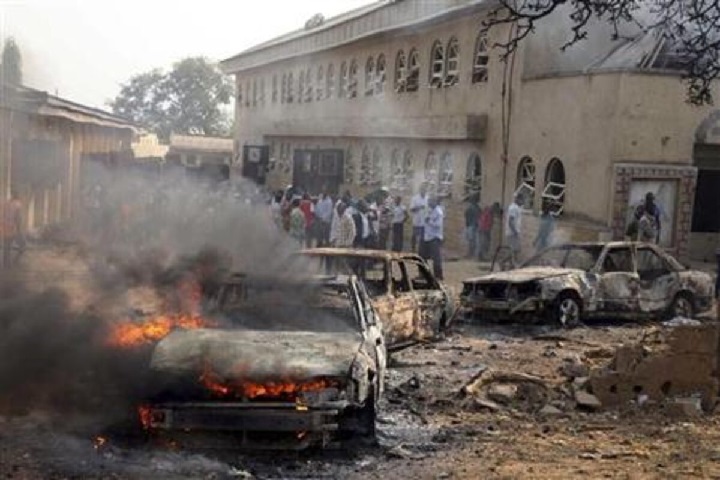
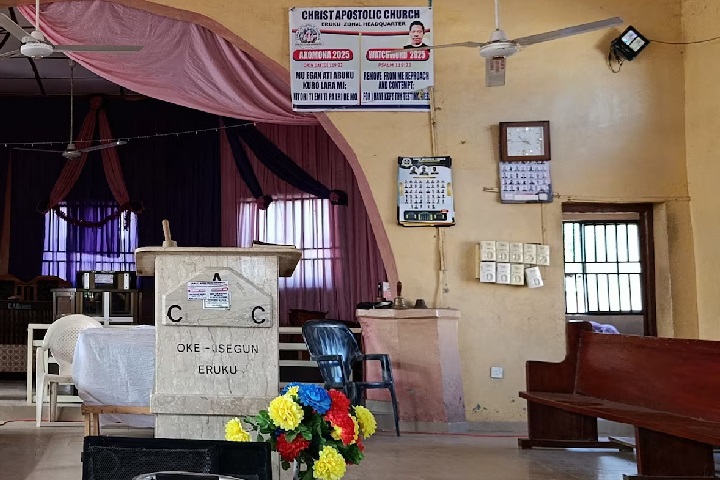
- 19,500 churches destroyed or closed, with 400 lost in just 15 months (Dec 2024–Feb 2026).
- 7,500 Christians killed and 8,500 abducted in 2025 alone.
- 1,120 killed and 1,640 abducted in the first 55 days of 2026.
Displacement
The violence has generated unprecedented displacement:
- At least 10 million internally displaced persons (IDPs), mostly Christians.
- 300,000 refugees, including 58,000 Gwoza Christians trapped in Cameroonian camps since 2014.
- 15 million Christians uprooted from Northern Nigeria’s hinterlands, with lands seized and renamed under jihadist control.
Clergy Targeted
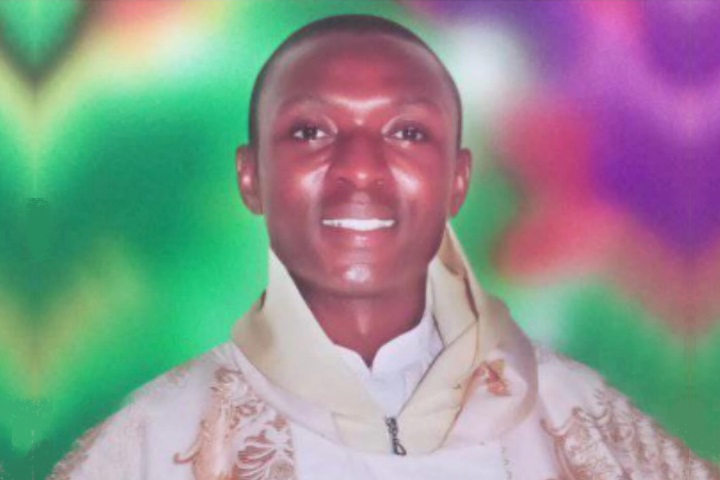
No fewer than 1,000 Christian clerics — including 300 Catholic priests, 100 nuns, and 600 pastors — have been abducted since 2009, with dozens killed or still missing.
The targeting of clergy underscores the systematic attempt to dismantle Christian leadership and weaken community resilience.
Congo DRC and Ethiopia
The crisis extends beyond Nigeria:
- Congo DRC: The Allied Democratic Forces killed over 1,000 Christians in 2025 and destroyed dozens of churches. The violence has destabilized eastern Congo, creating waves of displacement and fear.
- Ethiopia: Al‑Shabaab incursions threaten border towns such as Aato, Yeed, and Bale, destabilizing communities and spreading fear.
Ethiopia’s ancient Christian traditions, dating back to the earliest centuries of the faith, are now under existential threat.
Wider African Context
Beyond Nigeria, Congo, and Ethiopia, jihadist violence has spread across multiple countries:
- Mozambique (Cabo Delgado): Churches destroyed, communities displaced.
- Burkina Faso: Declared the world’s most terrorized country in 2024.
- Sudan: Christianity nearly erased; thousands of South Sudanese Christians deported in 2025.
- Central African Republic: Fulani Seleka jihadists toppled the Christian government in 2013 before being ousted.
- Kenya, Uganda, Cameroon, Chad, Ivory Coast, Togo, Namibia: All face periodic or sustained jihadist incursions.
These countries illustrate the breadth of the crisis: from East to West Africa, from the Sahel to Southern Africa, Christian communities are under siege.
Structural and Cultural Threats
Intersociety warns that beyond physical violence, Christianity faces challenges from transactional evangelism — exploitative ministries that erode credibility and weaken resilience.
These practices, often driven by financial gain, risk hollowing out the faith from within, leaving communities vulnerable to external threats.
This internal erosion compounds the external pressures of violence and persecution, creating a dual crisis: one of survival and one of integrity.
International Corroboration
The findings align with global watchdog reports:
- Open Doors 2026 World Watch List: 388 million Christians worldwide face high or extreme persecution.
- Fox News Digital (April 2024): Christianity is in “deadly crisis” in more than half of Africa’s 54 countries.
- Displacement Data: Of 34.5 million displaced people in sub‑Saharan Africa, 16.2 million are Christians.
These independent reports corroborate Intersociety’s findings, underscoring the global dimension of Africa’s crisis.
Projections and Warnings
If current trends continue:
- By 2075–2100, Christianity could face near‑obliteration in Nigeria, Congo DRC, and Ethiopia.
- By 2125, Africa’s Christian population could shrink from 750 million to fewer than 75 million, with complete erasure possible.
- The rise of jihadist groups could reach 400 or more networks across Africa within 50 years, intensifying violence and displacement.
These projections are not speculative; they are grounded in current trajectories of violence, displacement, and demographic decline.
Conclusion
The Intersociety report is a stark warning: Africa’s Christian population faces existential threats from systemic violence, mass displacement, and exploitative religious practices. Without urgent intervention, the continent could witness catastrophic demographic shifts and the erasure of centuries‑old Christian communities.
The report calls for:
- Robust international advocacy to protect religious freedom.
- Strengthened security measures to counter extremist networks.
- Renewed commitment to accountability and justice for victims of violence.
- Civil society mobilization to resist exploitative religious practices and reinforce community resilience.
This special report was signed by Emeka Umeagbalasi, the Head of International Society for Civil Liberties and Rule of Law (Intersociety).
The report is both a statistical record and a moral call to action.
It challenges governments, civil society, and international partners to confront a looming crisis before it becomes irreversible, ensuring that Africa’s Christian heritage is preserved for generations to come.