TDNigeria’s education sector is facing a storm of controversy following revelations that the country’s new national curriculum was reportedly funded by a foreign agency and remains inaccessible to the public.

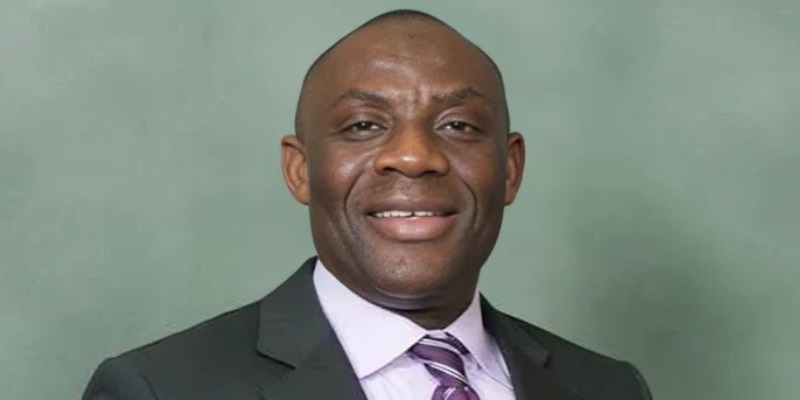
Education advocate, Mr. Alex Onyia has raised alarm over transparency failures involving the new national curriculum.
Mr. Onyia questioned whether key institutions have even seen the full framework that will shape the future of millions of Nigerian children.
The Allegations
Onyia, in a widely circulated statement, declared:
“None of these agencies have seen the new curriculum and anyone you see online is fake.
“This new curriculum was funded by a foreign agency.”
He argued that despite the curriculum’s significance, it has not been formally presented or made available by the Nigerian Educational Research and Development Council (NERDC).
Requests for the complete document, Onyia claims, are met with silence.
Key Questions Raised
Onyia’s intervention poses direct challenges to Nigeria’s education governance:
- Minister of Education: Has the Honourable Minister ever reviewed and publicly presented the full curriculum framework?
- NERDC: Why has the Council not made the complete document openly accessible?
- National Assembly: Have oversight hearings been conducted to ensure transparency?
- Examining Bodies (WAEC, NECO, JAMB): Have they aligned their testing frameworks with the approved curriculum?
These unanswered questions highlight a troubling lack of accountability.
Why It Matters
Curriculum frameworks are the blueprint of national education. They determine:
- What tens of millions of Nigerian children will learn.
- The country’s productivity and innovation capacity for decades.
- The intellectual foundation of Nigeria’s knowledge economy.
Secrecy around such a critical document undermines trust and raises fears of external influence over Nigeria’s educational future.
Transparency Concerns
Onyia insists that education cannot operate “behind closed doors.” He warns that treating curriculum like classified intelligence risks eroding public confidence. His call is clear:
- Media houses must investigate.
- Legislators must demand disclosure.
- Educators must speak up.
- Parents must ask questions.
Broader Implications
If true, the allegation that a foreign agency funded Nigeria’s new curriculum raises serious sovereignty concerns.
It suggests that external actors may be shaping the intellectual future of Nigerian children without public scrutiny or national debate.
This revelation also exposes systemic weaknesses in Nigeria’s education governance.
In that sector, opacity and bureaucratic inertia prevent citizens from accessing documents that should be public by default.
Nigeria’s new curriculum is at the center of a growing scandal.
With allegations of foreign funding and secrecy, the issue demands urgent answers from government agencies, legislators, and education stakeholders.
As Onyia warns, “We cannot claim to build a knowledge economy while hiding the blueprint of knowledge itself.”