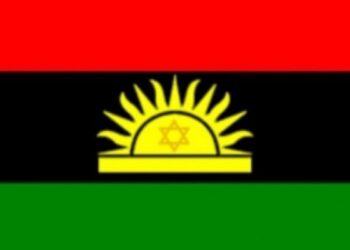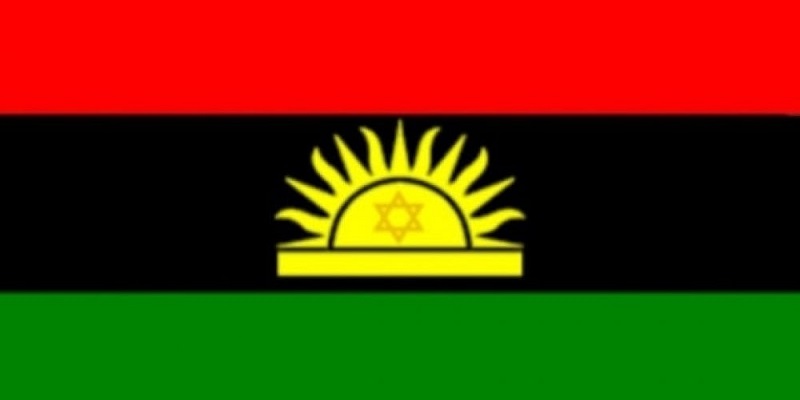
TDThe Indigenous People of Biafra (IPOB) has renewed its call for an independent Biafra state, arguing that recent controversy surrounding the application of Sharia law in parts of northern Nigeria highlights what it describes as the country’s “structural impossibility” as a unified nation.

In a statement issued Friday and signed by its spokesperson, Emma Powerful, the group referenced reports, including one attributed to Riley Moore and said to have been forwarded to former U.S. President Donald Trump, concerning the status of Sharia penal codes in Nigeria.
IPOB said the ongoing debate underscores deep legal and religious divisions within the country.
The group stated that it respects the right of Muslims to practice their faith, including the application of Sharia law within Muslim communities.
However, it expressed concern over what it described as the extension or imposition of Sharia provisions on non-Muslims, particularly in northern states.
According to the statement, IPOB believes Nigeria’s federal structure has failed to safeguard citizens from religiously motivated violence and discrimination.
It cited insecurity affecting Christians, other non-Muslims, and, in some cases, Muslims in states including Sokoto, Borno, and Plateau.
“Nigeria’s claim to secularism masks a fractured legal order,” the statement said, arguing that parallel legal systems operating within the same national framework have intensified social and political tensions.
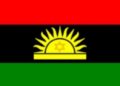
IPOB, led by its detained leader Nnamdi Kanu, has long advocated for the restoration of Biafra, a proposed independent state in southeastern Nigeria.
The group maintains that self-determination is the only viable solution to what it describes as systemic persecution and insecurity.
In Friday’s statement, IPOB reiterated that an independent Biafra would guarantee religious freedom, equal citizenship, and protection for minorities.
It also invoked the Igbo principle of coexistence — “Egbe bere, Ugo bere” (“live and let live”) — as a foundational value for the proposed state.
The group called on U.S. lawmakers, the international community, and the Israeli parliament, the Knesset, to assess what it described as deteriorating conditions for religious minorities in Nigeria.
Nigeria operates a federal system in which Sharia law applies in personal and, in some northern states, criminal matters for consenting Muslims, while the constitution provides for freedom of religion.
The issue remains a source of political and social debate in Africa’s most populous country.
IPOB was once designated a terrorist organization by the Nigerian government, a classification the group vehemently rejects.