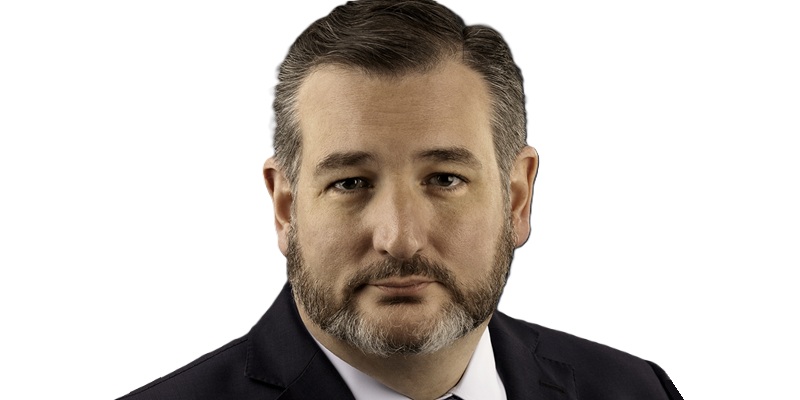
THIS DAWN — In a significant diplomatic move, U.S. Senator Ted Cruz (R-Texas), Chairman of the Senate Foreign Relations Subcommittee on Africa and Global Health Policy, has formally called on President Donald J. Trump to recognize the Republic of Somaliland as an independent state.

In a letter dated August 14, 2025, Cruz outlined the historical, strategic, and democratic credentials of Somaliland.
He argued that formal recognition would strengthen U.S. national security interests in the Horn of Africa and reinforce democratic partnerships in a volatile region.
Historical Context and Democratic Credentials
Senator Cruz’s letter begins by tracing Somaliland’s historical journey.
He notes that Somaliland gained independence and international recognition in 1960 before voluntarily uniting with Somalia later that year.
However, since reclaiming its independence in 1991, Somaliland has functioned as a stable, self-governing democracy.
Cruz highlights Somaliland’s democratic progress, citing peaceful elections since 2003, high voter turnout, and smooth transitions of power.
These achievements, he argues, distinguish Somaliland from many of its regional counterparts and demonstrate its commitment to democratic governance.
Strategic Importance in the Horn of Africa
The Senator emphasizes Somaliland’s strategic location along the Gulf of Aden, near one of the world’s busiest maritime corridors.
This positioning, he argues, makes Somaliland a critical partner in regional security, counterterrorism, and anti-piracy operations.
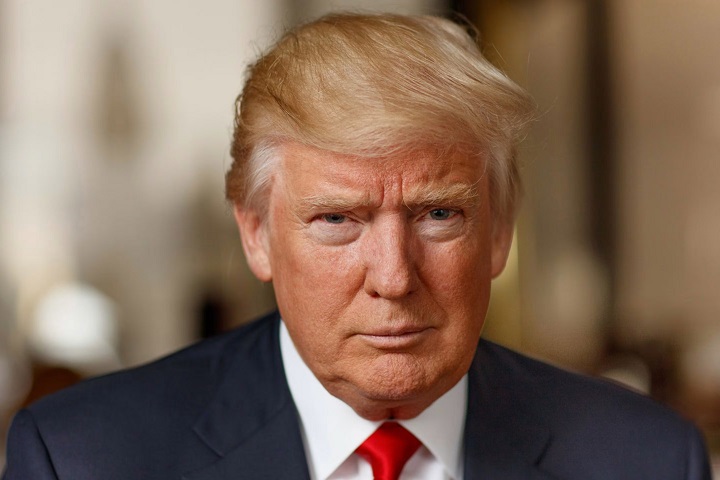
Cruz points out that Somaliland possesses capable armed forces and has actively contributed to regional stability.
He also notes the territory’s openness to hosting a U.S. military presence near the Red Sea, which could enhance America’s strategic footprint in the region.
Diplomatic Engagements and Global Partnerships
Senator Cruz underscores Somaliland’s proactive diplomatic efforts, including the establishment of a Taiwanese Representative Office in its capital, Hargeisa.
He also mentions Somaliland’s efforts to strengthen ties with Israel and its support for the Abraham Accords—initiatives that align with broader U.S. foreign policy goals.
These partnerships, Cruz argues, reflect Somaliland’s alignment with democratic values and its willingness to collaborate with U.S. allies.
He further notes Somaliland’s interest in critical minerals agreements that could bolster U.S. supply chain resilience.
Threats from Adversaries
The letter also details the challenges Somaliland faces from adversaries, particularly the Chinese Communist Party (CCP) and the government of Somalia.
Cruz accuses the CCP of using economic and diplomatic coercion to punish Somaliland for its support of Taiwan.
He cites an incident from April 2025, when Somalia, allegedly under Chinese influence, barred Taiwanese passport holders from transiting into Somaliland.
Cruz warns that Chinese support to Somalia is empowering anti-Somaliland groups and undermining the territory’s sovereignty.
Despite these pressures, Cruz asserts that Somaliland remains committed to deepening its relationship with the United States.
He argues that formal recognition would enable Somaliland to engage more effectively in military cooperation, counterterrorism, and trade partnerships with the U.S.
“To do so to the greatest effect and the greatest benefit to American national security interests, it requires the status of a state,” Cruz writes.
He concludes by offering his full support and resources to help President Trump achieve this goal.
Implications for U.S. Foreign Policy
Senator Cruz’s appeal marks a pivotal moment in U.S.–Africa relations. Recognition of Somaliland would signal a shift in U.S. policy, potentially challenging the status quo of Somalia’s territorial claims and reshaping diplomatic dynamics in the region.
It could also strengthen U.S. influence in the Horn of Africa, counterbalance Chinese expansionism, and reinforce alliances with democratic partners. However, such a move would likely provoke diplomatic tensions with Somalia and other African Union members who oppose Somaliland’s independence.
Senator Ted Cruz’s letter to President Trump is a bold endorsement of Somaliland’s quest for international recognition.
By highlighting its democratic achievements, strategic value, and resilience against external threats, Cruz presents a compelling case for U.S. recognition.
As global power competition intensifies in Africa, the decision to recognize Somaliland could redefine America’s role in the region and affirm its commitment to supporting democratic allies.