THIS DAWN — The political crisis in Rivers State has deepened as the Rivers State House of Assembly formally commenced impeachment proceedings against Governor Siminalayi Fubara and his deputy, Ngozi Odu.

The move, announced during a plenary session presided over by Speaker Martins Amaewhule, marks a dramatic escalation in the long-running power struggle that has gripped the oil-rich state.
The impeachment notice was presented by Major Jack, the Majority Leader of the Assembly, who cited seven counts of gross misconduct against Governor Fubara.
The lawmakers invoked Section 188 of the Nigerian Constitution, which outlines the process for removing a sitting governor or deputy governor.
The notice was reportedly endorsed by 26 lawmakers, meeting the constitutional threshold required to initiate impeachment proceedings.
Speaker Amaewhule confirmed that the notice would be formally served on the governor within seven days, in line with legislative procedure.
Political Context and History
This is the second impeachment attempt against Governor Fubara in less than a year.
A similar move in 2025 was halted after President Bola Tinubu declared a state of emergency, suspending Fubara, his deputy, and the entire Assembly amid escalating tensions.
The current crisis is widely seen as a continuation of the fractured relationship between Fubara and his former political mentor, Nyesom Wike, now serving as Minister of the Federal Capital Territory.
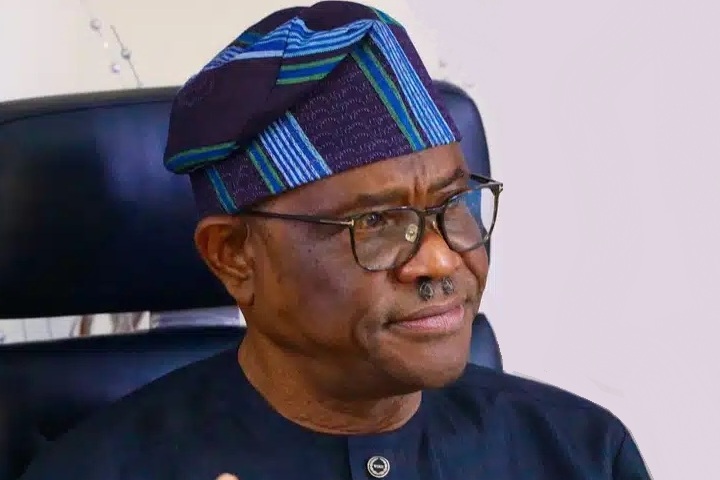
Fubara has since joined the All Progressives Congress (APC), meanwhile, Wike remains in the People’s Democratic Party (PDP).
Wike has been lately reportedly building a coalition in Rivers State to support Tinubu’s 2027 reelection bid.
Reactions and Implications
The impeachment proceedings have sparked concern among political observers and civil society groups, who warn that the move could destabilize governance in Rivers State.
Supporters of Governor Fubara argue that the impeachment is politically motivated and orchestrated by forces loyal to Wike.
Meanwhile, opposition figures have called for calm and urged the Assembly to follow due process.
The situation is being closely monitored by national stakeholders.
Some stakeholders are already inviting the United Nations Security Council and other international bodies into discussions if tensions escalate further.
What Happens Next
Under Nigerian law, once the impeachment notice is served, the governor has seven days to respond.
If the Assembly proceeds, a panel of investigation will be constituted to examine the allegations.
If the panel finds the governor guilty, a two-thirds majority of the Assembly is required to finalize the impeachment.
Given the volatile political climate and the history of federal intervention, it remains uncertain whether the process will reach its conclusion or be halted by executive action.
The initiation of impeachment proceedings against Governor Siminalayi Fubara and Deputy Governor Ngozi Odu marks a critical juncture in Rivers State politics.
With deep-rooted rivalries, constitutional complexities, and national implications, the unfolding drama is set to shape the state’s political trajectory in the months ahead.