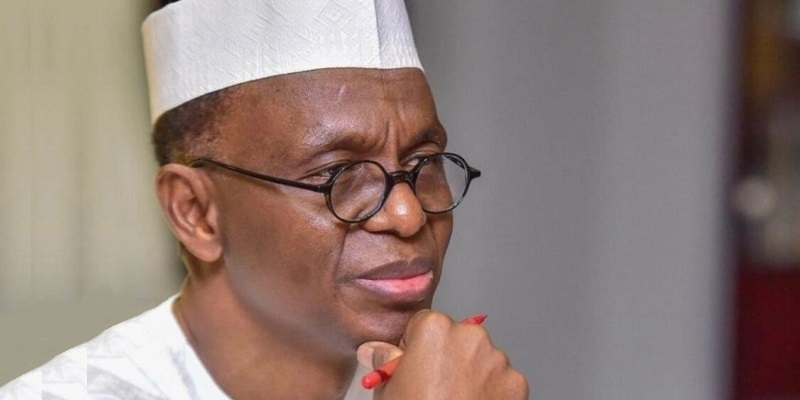
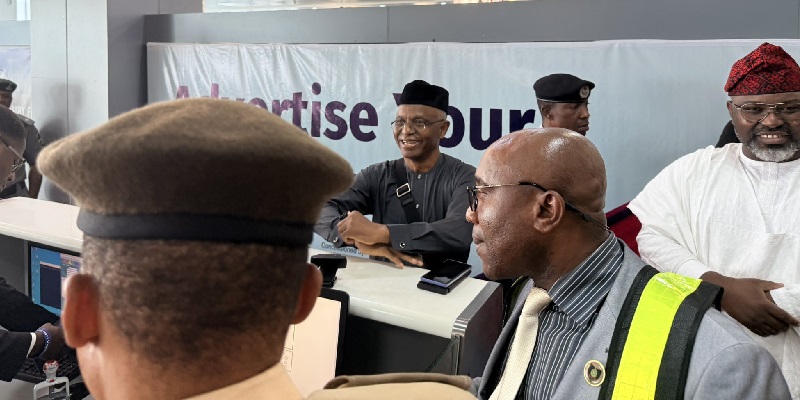
TDFormer Kaduna State Governor, Mallam Nasir El Rufai, has alleged that his arrest on February 12, 2026, was ordered by National Security Adviser (NSA), Mallam Nuhu Ribadu.

According to El Rufai, about 50 operatives of the Department of State Services (DSS) carried out the operation.
Surveillance Allegations
El Rufai further claimed that his team had access to intelligence intercepts.
He said: “We know this because we listen to their calls.
“The Government thinks they are the only ones who listen to our calls, but we are also listening to their calls.”
Political Context
The statement has sparked intense debate across political and security circles.
Government sources have yet to issue an official response.
Meanwhile, the allegation raises questions about surveillance practices and the balance of power between political figures and security agencies.
Reactions
- Supporters of El Rufai argue that the arrest reflects political intimidation and suppression of dissent.
- Critics, however, caution that such claims of wiretapping by private individuals raise serious legal and ethical concerns.
- Civil society groups are calling for transparency, urging both the government and El Rufai to clarify the circumstances surrounding the arrest and surveillance claims.
Implications
This development underscores growing tensions within Nigeria’s political landscape.
The allegations, if substantiated, could have far-reaching consequences for governance, civil liberties, and the credibility of national security institutions.