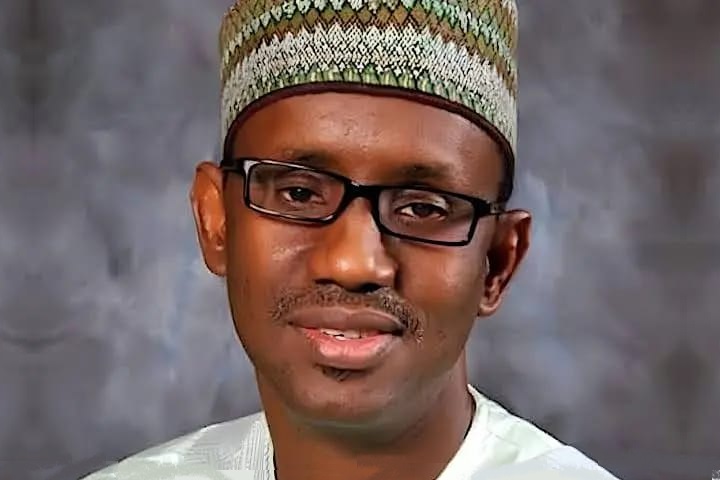
THIS DAWN — A Nigerian citizen, Michael Ayeni, has written to United States President Donald J. Trump, accusing the Nigeria’s National Security Adviser (NSA), Nuhu Ribadu or arming Fulani bandits.

Ayeni demanded international accountability after explosive revelations surrounding the arming of Miyetti Allah members in Kwara and Kogi States.
The controversy has ignited fierce debate about national security, ethnic favoritism, and the role of NSA Ribadu.
Arrests in Kwara State
The saga began in Kwara State when Nigerian Army personnel intercepted a group of suspected Miyetti Allah members carrying AK‑47 rifles.
Upon questioning, the suspects claimed that Kwara State government supplied the weapons.
The state government swiftly denied the allegation, instead pointing fingers at the office of the National Security Adviser (NSA), Nuhu Ribadu, as the source of the arms.
This denial shifted the spotlight to Abuja.
It raised questions about whether the federal government had authorized the distribution of military‑grade weapons to non‑state actors.
Gun Battle in Kogi State
Events escalated further in neighboring Kogi State.
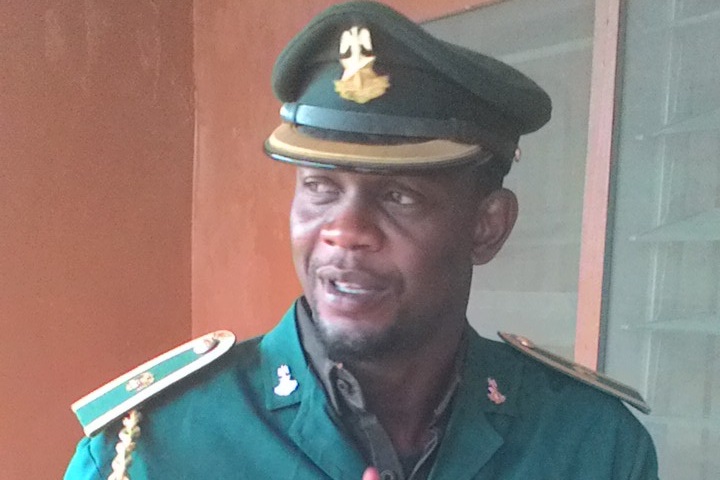
Navy officers reportedly encountered armed men dressed in military uniforms.
Suspicious of their identity, the officers signaled for them to stop and identify themselves.
Instead, the men opened fire, sparking a fierce gun battle, and forcing the Navy to respond in kind.
The security agents ultimately subdued the attackers, killing two.
When the security agents searched their bodies, they discovered identification cards belonging to Miyetti Allah in their pockets, confirming their affiliation with the controversial Fulani socio‑cultural group.
The discovery reignited longstanding concerns about Miyetti Allah’s role as a spokesperson for Fulani militias during the administration of former President Muhammadu Buhari.
The Admission of Ribadu
Ayeni informed trump that NSA Nuhu Ribadu, in a stunning development, admitted that his office had supplied AK‑47 rifles to the group.
He explained that the weapons were intended for a “secret vigilante force” established to protect Kwara and Kogi States from Fulani militias.
However, critics argue that Ribadu’s justification contradicts the very definition of vigilante groups in Nigeria.
Traditionally, local communities form such groups, and residents familiar with the terrain and culture compose them.
Ribadu’s initiative marks the first time in Nigeria’s history that a federal authority has constituted a vigilante force composed exclusively of one ethnic group—Fulani.
Moreover, government agencies deployed them to regions where they have no tribal ties.
Questions of Legitimacy
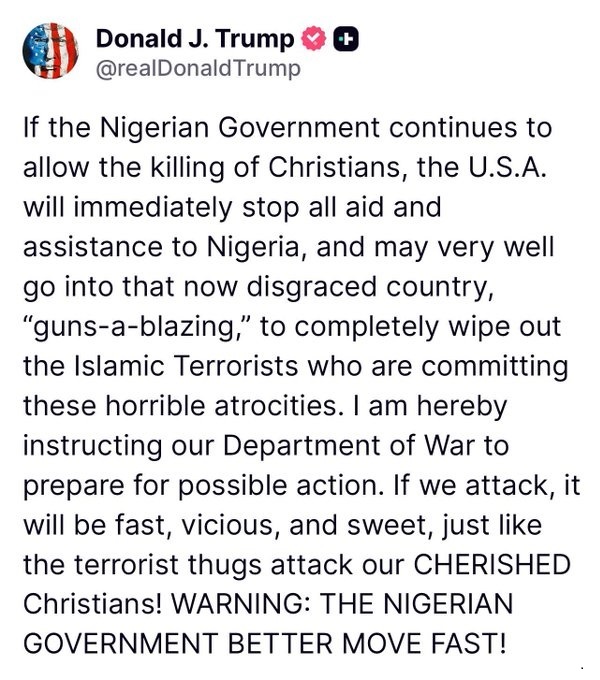
Ayeni, as well as other concerned citizens, raised several troubling questions to President trump:
- Why were AK‑47 rifles, weapons normally restricted to the military and paramilitary forces, handed to civilians?
- Why was Miyetti Allah, a group with a controversial history, chosen as the sole beneficiary of such an operation?
- How can Fulani vigilantes be expected to fight Fulani militias, given the ethnic overlap?
- Why were local communities and even the military kept in the dark about the program?
Meanwhile, Miyetti Allah itself has distanced the organization from the attack on Navy officers but has not denied receiving weapons from the NSA.
Ayeni’s Letter to Trump Accusing Ribadu
In his letter to President Trump, Ayeni described Ribadu as “compromised” and accused him of advancing what he termed the “Fulanisation of Nigeria.”
He questioned Ribadu’s authority to empower Miyetti Allah and establish a national vigilante group in secrecy.
Ayeni further argued that President Bola Tinubu must take responsibility, as “the buck stops at Tinubu’s table.”
He warned the ruling All Progressives Congress (APC) to remove Ribadu, otherwise, it risks perception of a “terrorist party.”
Broader Implications
The controversy underscores deepening ethnic tensions in Nigeria and raises alarms about the militarization of civilian groups.
Analysts warn that arming non‑state actors could destabilize already fragile regions, erode trust in the military, and embolden militias.
The incident also highlights the delicate balance between national security and ethnic politics.
Ribadu’s admission has fueled suspicions of favoritism toward Fulani interests, a charge that has dogged successive administrations.
As Nigeria grapples with insecurity, the revelations have sparked outrage and calls for accountability at the highest levels of government.
Ayeni’s appeal to President Trump reflects a growing desperation among citizens who fear their voices are not being heard domestically.
Whether Tinubu will act decisively against Ribadu is yet to be ascertained.
What is clear is that the controversy opened a new chapter in Nigeria’s struggle with ethnic militias, governance, and the rule of law.