THIS DAWN — On January 16, 2026, Senate Republicans unveiled new legislation aimed at strengthening U.S. immigration policy by denying visas to individuals implicated in religious persecution.

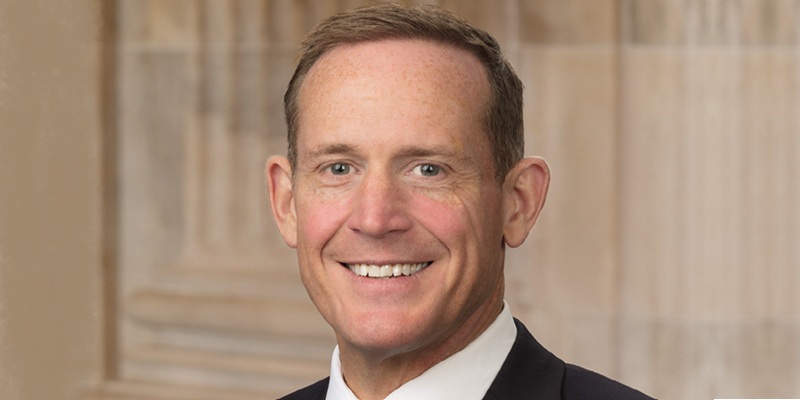
The initiative, spearheaded by Senator Ted Budd of North Carolina, underscores the growing bipartisan concern over global religious freedom violations and the need to hold perpetrators accountable.
The proposed bill, titled the Banning Perpetrators of Religious Persecution Act, represents a significant expansion of existing visa restrictions under the Immigration and Nationality Act (INA).
It seeks to amend the INA to bar visas for foreign officials, terrorist groups, and non-state actors who authorize, support, or participate in violations of religious freedom.
It also seeks to ensure that individuals who engage in or support religious-based violence cannot enter the United States.
Earlier Strike on Nigeria
It could be recalled that the United States had announced sweeping sanctions, including visa restrictions, on several Nigerians accused of participating in or enabling religious persecution.
The decision marked a significant escalation in Washington’s response to Nigeria’s worsening faith-based violence.
US Secretary of State Marco Rubio disclosed the measures on Wednesday in a post on X.
Rubio stated that the sanctions would apply to individuals who “knowingly direct, authorize, fund, support, or carry out violations of religious freedom.”
He emphasized that both state and non-state actors implicated in religious oppression in Nigeria and other countries facing similar crises would be targeted.
Background and Context
Religious freedom has long been a cornerstone of U.S. foreign policy, enshrined in both domestic law and international commitments.
The U.S. State Department annually publishes reports on religious freedom worldwide, often highlighting countries where persecution is systemic.
In recent years, concerns have grown about the role of both state and non-state actors in perpetuating religious violence.
From government crackdowns on minority faiths to terrorist groups targeting religious communities, the scope of violations has widened.
The new legislation responds to these challenges by closing loopholes that previously allowed certain perpetrators to evade visa restrictions.
Key Provisions of the Legislation
The Banning Perpetrators of Religious Persecution Act introduces several critical measures:
- Expanded Visa Ineligibility: The bill amends the INA to deny visas to individuals who have directed, authorized, significantly supported, participated in, or carried out violations of religious freedom.
- Inclusion of Non-State Actors: Unlike earlier provisions that focused primarily on government officials, the legislation explicitly covers terrorist organizations and other non-state actors responsible for religious persecution.
- Broader Accountability: By targeting both direct perpetrators and those who provide material support, the bill aims to dismantle networks that enable religious violence.
Political and Diplomatic Implications
The legislation reflects a broader Republican push to integrate human rights concerns into immigration policy.
Supporters argue that denying entry to perpetrators of religious persecution sends a strong message about U.S. values and reinforces America’s role as a defender of religious freedom worldwide.
Diplomatically, the bill could strain relations with countries accused of systemic religious persecution.
Governments whose officials are targeted may view the restrictions as punitive.
However, proponents contend that such measures are necessary to uphold international norms and protect vulnerable communities.
Reactions and Criticism
- Supporters: Human rights advocates and religious freedom organizations have welcomed the bill.
They note that it strengthens accountability and aligns U.S. immigration policy with moral principles.
- Critics: Some analysts caution that the legislation could be selectively applied, potentially politicizing visa decisions.
Others warn that it may complicate diplomatic engagement with countries where religious persecution is widespread.
- Global Impact: The bill could inspire similar measures in allied nations.
It may create a coordinated international effort to restrict mobility for perpetrators of religious violence.
Broader Significance
The introduction of this legislation highlights several broader trends in U.S. policy:
- Human Rights as Security Policy: By linking visa restrictions to religious freedom violations, the bill frames human rights as integral to national security.
- Preventive Diplomacy: Denying entry to perpetrators serves as both punishment and deterrent, signaling that violations carry tangible consequences.
- Global Leadership: The U.S. positions itself as a leader in defending religious freedom, reinforcing its moral authority on the international stage.
The Banning Perpetrators of Religious Persecution Act marks a decisive step in U.S. efforts to combat religious-based violence.
By expanding visa restrictions to include both state and non-state actors, the legislation seeks to close gaps in accountability and strengthen America’s commitment to religious freedom.
While the bill may generate diplomatic friction, its supporters argue that the moral imperative outweighs potential costs.
As the legislation moves through Congress, its passage would reaffirm the United States’ role as a global advocate for human rights and a safe haven for those fleeing persecution.