THIS DAWN — The National Assembly’s decision to re-gazette Nigeria’s newly enacted tax reform laws has ignited a fierce legal and constitutional debate, with prominent human rights lawyer Prof. Chidi Odinkalu accusing the legislature of compounding illegality with procedural overreach.

At the heart of the controversy are four landmark laws:
- Nigeria Tax Act, 2025.
- Nigeria Tax Administration Act, 2025.
- Joint Revenue Board of Nigeria (Establishment) Act, 2025; and,
- Nigeria Revenue Service (Establishment) Act, 2025.
Observers hailed the Acts as transformative for Nigeria’s fiscal system.
Lawmakers published the Acts in the Official Gazette following presidential assent.
However, discrepancies between the versions passed by the Senate and House of Representatives and those gazetted have triggered public outcry.
National Assembly’s Response
The National Assembly announced the constitution of a seven-member Ad Hoc Committee.
The Committee will investigate the legislative and administrative handling of the Acts.
House Spokesman, Rep. Akin Rotimi, disclosed this in a press statement he personally signed.
According to Rotimi, National Assembly leadership, under Senate President Godswill Akpabio and Speaker Abbas Tajudeen, directed the Clerk to re-gazette the Acts and issue Certified True Copies of the versions duly passed by both chambers.
The Assembly insists this is an administrative step to “authenticate and accurately reflect” legislative decisions, not a concession of error.
It said that lawmakers will conduct the review in line with the Constitution, the Acts Authentication Act, and parliamentary procedure.

The Odinkalu Critique
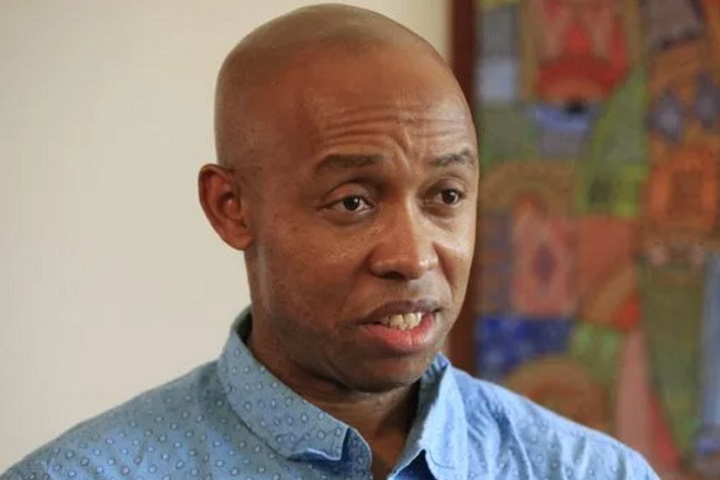
Prof. Odinkalu, a former Chairman of Nigeria’s National Human Rights Commission, has sharply criticized the move.
Odinkalu, in a public statement, declared that the National Assembly has effectively admitted the laws were “forged”.
He, however, noted that its response—ordering a re-gazetting—is legally untenable.
“The @nassnigeria has no power to order a ‘regazetting’ of an already gazetted document claiming to be a duly passed law. This is heaping unlawfulness upon criminality,” Odinkalu wrote.
He outlined two lawful remedies:
- Repeal and Replace — The Assembly could formally repeal the gazetted legislation and pass the correct version for fresh gazetting.
- Judicial Review — Take the matter to court and strike down the flawed gazette, followed by proper legislative correction.
Odinkalu emphasized that whichever path is chosen, lawmakers must identify and hold accountable those responsible for the alleged forgery.
“The people deserve that,” he said.
Legal and Political Implications
The clash between the Assembly’s administrative rationale and Odinkalu’s legal critique raises fundamental questions about legislative integrity, separation of powers, and rule of law.
Analysts warn that bypassing formal repeal or judicial review could set a dangerous precedent, undermining public trust in Nigeria’s lawmaking process.
The controversy also threatens to overshadow the substance of the tax reforms, which aim to modernize revenue collection and improve transparency.
If the legitimacy of the laws is in doubt, their enforceability could be challenged in court, delaying implementation and weakening investor confidence.
While the National Assembly has pledged transparency and constitutional compliance, critics argue that true accountability requires more than administrative fixes.
The integrity of Nigeria’s legislative record—and the credibility of its democratic institutions—may hinge on how lawmakers will resolve the issue.
For now, the re-gazetting directive remains in place, but legal observers and civil society groups are watching closely.
Whether the Assembly chooses repeal, litigation, or another path, the demand for clarity, justice, and institutional reform is growing louder.