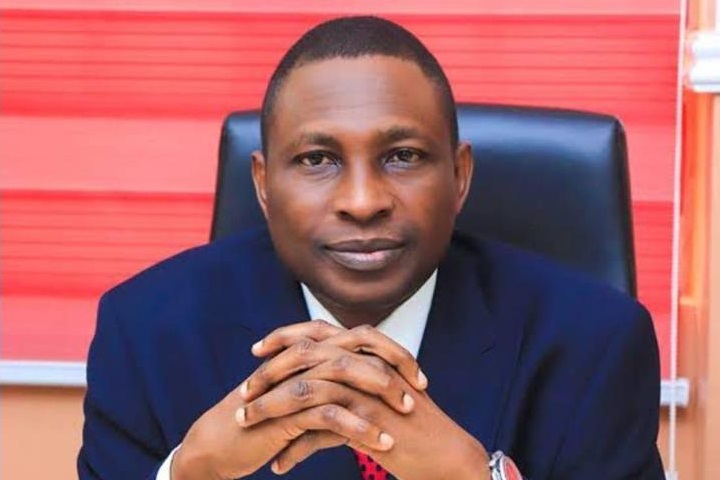
THIS DAWN — A fresh demand has emerged urging the Economic and Financial Crimes Commission (EFCC) to expand its ongoing investigation of former Attorney-General of the Federation (AGF) and Minister of Justice, Abubakar Malami.

The petitioner, a legal scholar, Dr. Tonye Clinton Jaja, urged EFCC to include allegations of professional negligence relating to terrorism financing to his charges.
The call was issued in an open letter authored by Dr. Jaja, on behalf of 1,500 lawyers under the Association of Legislative Drafting and Advocacy Practitioners (ALDRAP).
The letter, addressed to EFCC Chairman, Ola Olukoyede, expresses appreciation for the Commission’s reported commencement of investigations into five previously highlighted transactions linked to Malami.
However, ALDRAP insists that the probe is incomplete without examining Malami’s handling of Nigeria’s terrorism-financing list released under his administration.
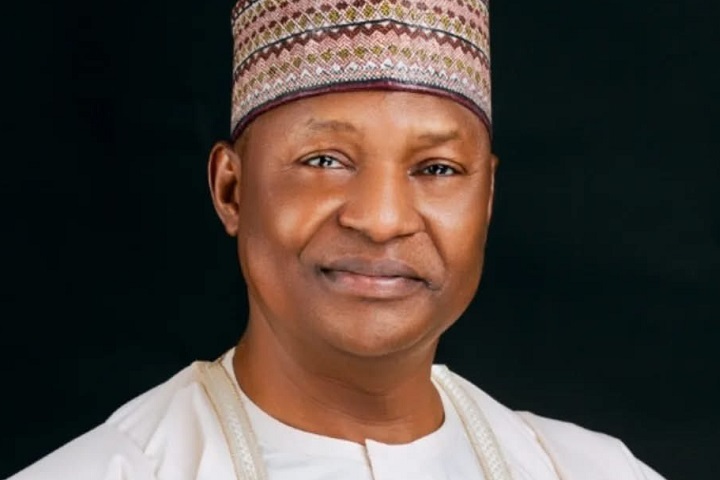
In the letter, Jaja referenced Malami’s public announcement in 2021 that the Federal Government had identified and blocked the accounts of over 800 terrorism financiers.
The disclosure widely reported by national media at the time.
The group alleges that throughout the remainder of Malami’s tenure—spanning nearly two years—not a single suspect on the list was prosecuted.
ALDRAP blames Malami for murder of General Uba
According to ALDRAP, this alleged failure forms the “immediate and remote cause” of the recent killing of Brigadier-General Musa Uba.
General Uba, it could be recalled, was murdered by terrorists in Borno State.
The group argues that successful prosecution of even half of the identified financiers could have substantially weakened terrorist networks and reduced the scale of attacks nationwide.
The lawyers further urged the EFCC to seek technical assistance from the United States government.
According to them, the United States possesses the global intelligence capabilities necessary to trace international terror financing networks.
Such cooperation, they argue, would not only strengthen the investigation but also help “exonerate” the current administration from accusations that the government is indifferent to rising insecurity.
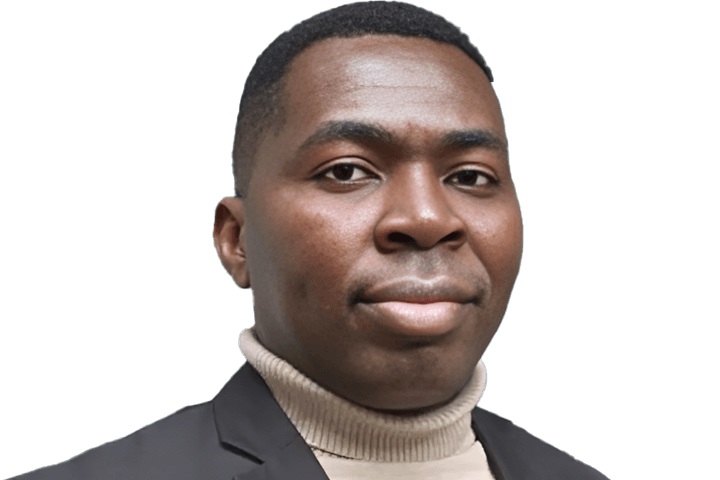
Jaja also drew parallels with legal frameworks in countries like Canada.
In Canada, Public officials can be held liable for negligence when they fail to act—or act below expected professional standards—in matters of public duty.
ALDRAP, meanwhile, stressed that no institution should shy away from accountability.
It concluded that the former AGF “ought to be investigated and prosecuted” if found responsible for any professional lapses connected to the terrorism-financing dossier.
Malami has not publicly responded to the latest allegations.
What is confirmed
In March 2024, the government publicly released a list of 15 persons and entities allegedly involved in terrorism financing.
The list included individuals and Bureau De Change (BDC) or firms.
Several media houses reported the list, citing an email titled “Designation of Individuals and Entities for March 18, 2024.”
the email originated from the Nigerian Financial Intelligence Unit (NFIU), Nigeria’s central national agency responsible for receiving, analyzing, and disseminating financial intelligence.
The designations triggered sanctions under the laws.
See below the 15 individuals and firms the Nigerian government named as terrorism financiers:
9 Individuals:
1 Tukur Mamu
2 Yusuf Ghazali
3 Muhammad Sani
4 Abubakar Muhammad
5 Sallamudeen Hassan
6 Adamu Ishak
7 Hassana-Oyiza Isah
8 Abdulkareem Musa
9 Umar Abdullahi
6 BDCs & Firms:
10 West & East Africa General Trading Company Limited
11 Settings Bureau De Change Ltd
12 G. Side General Enterprises
13 Desert Exchange Ventures Ltd
14 Eagle Square General Trading Company Limited
15 Alfa Exchange BDC