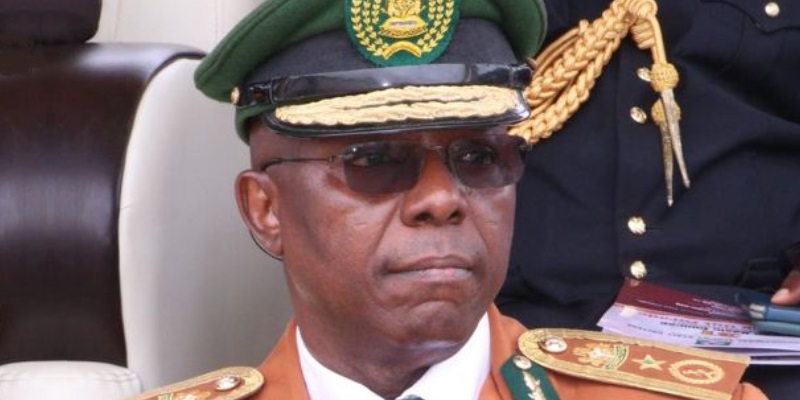
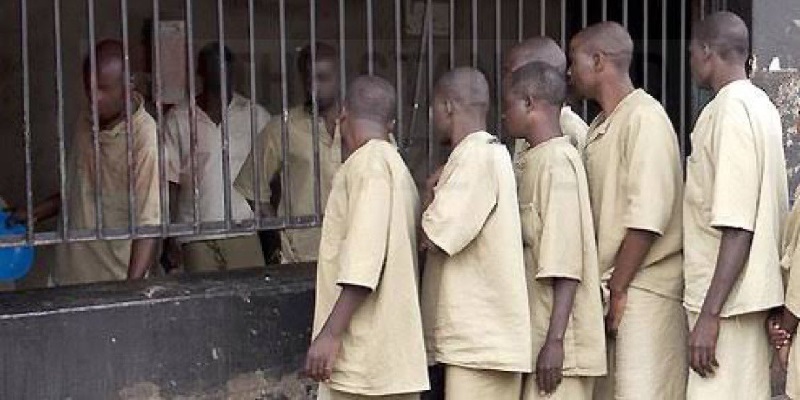
TDNigeria’s prison facilities remain heavily congested, with awaiting trial inmates now accounting for 64 percent of the total custodial population, according to the Nigeria Correctional Service (NCoS).

Controller‑General of the Service, Sylvester Nwakuche, disclosed the figures on Thursday to lawmakers.
Nwakuche made the disclosure while presenting the agency’s 2025 budget performance and 2026 estimates before the House of Representatives Committee on Reformatory Institutions in Abuja.
The Prison Challenge
Nwakuche revealed that as of February 9, 2026, the total inmate population stood at 80,812.
This comprised of 51,955 awaiting trial inmates, 24,913 convicted inmates, and 3,850 under other detention categories.
He explained that the Service is seeking ₦198.85 billion for its 2026 operations.
He stressed that the funds are critical to addressing overcrowding, expanding infrastructure, and improving security across correctional centres nationwide.
He noted that congestion has become a persistent challenge, undermining rehabilitation efforts, worsening living conditions, and straining overstretched facilities.
Lawmakers to the Rescue
Chairman of the Committee, Hon. Chinedu Ogah, underscored the urgency of reforms.
Hon. Ogah calling for increased funding and swift presidential assent to the Correctional Service Trust Fund Bill.
He described the NCoS as central to national security but lamented that it remains poorly funded despite its critical role in justice administration.
Ogah further highlighted that many correctional facilities in Nigeria were built over a century ago.
The facilities have deteriorated significantly, contributing to recurring security breaches, escapes, and operational strain.
He emphasized that without modern infrastructure and adequate resources, the Service cannot effectively deliver on its mandate of rehabilitation, reintegration, and safe custody.
Overdue Prison Reforms
Lawmakers at the session pledged to work with relevant stakeholders to ensure that final budgetary allocations reflect the pressing needs of the Service.
They also stressed that tackling the high number of awaiting trial inmates requires judicial reforms.
This will include faster case processing, digitization of court records, and alternatives to custodial sentencing such as community service and restorative justice measures.
The figures presented underscore the scale of Nigeria’s prison congestion crisis and the urgent need for systemic reforms.
With nearly two‑thirds of inmates awaiting trial, the correctional system faces mounting pressure to balance security, justice, and rehabilitation.
Analysts warn that urgent reforms are needed and ought to be implemented.
Until then, overcrowding will continue to fuel human rights concerns, limit rehabilitation outcomes, and undermine public confidence in the justice system.