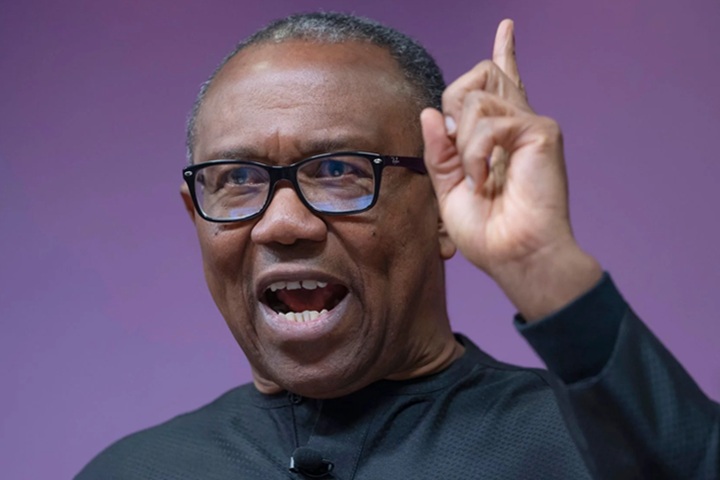
THIS DAWN — The presidential candidate of the Labour Party in the 2023 elections, Peter Obi, has issued a strongly worded statement following the conviction of the Indigenous People of Biafra (IPOB) leader, Mazi Nnamdi Kanu.

In a statement titled “Kanu’s Conviction: At a Time Like This,” Obi described the development as “unfortunate”.
He warned that the decision could heighten national tension at a time Nigeria is grappling with severe economic and security challenges.
Obi urged Nigerians to reflect on the broader implications of the case.
According to him, the arrest, prolonged detention, and eventual conviction of Kanu represent a failure of leadership and a missed opportunity to address long-standing grievances through dialogue.
“I have always maintained that Mazi Kanu should never have been arrested.
“His arrest, detention, and now conviction represent a failure of leadership and a misunderstanding of the issues at stake,” he said.
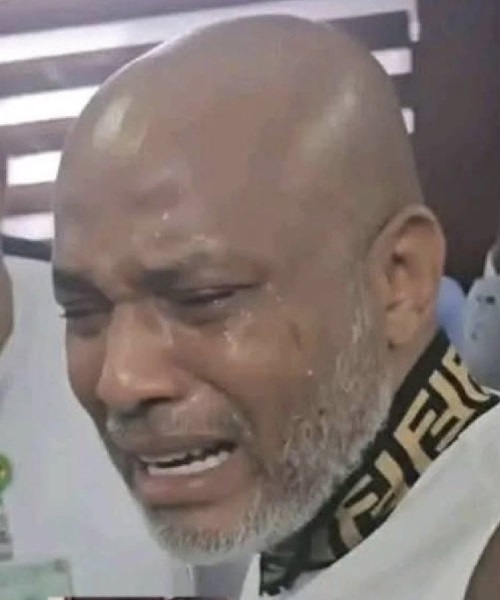
Dialogue, rather than coercion
Obi argued that the concerns raised by Kanu were neither new nor insurmountable.
He stressing that responsible governance requires listening, empathy, and willingness to address underlying issues.
He insisted that dialogue and inclusive governance, rather than coercion, remain the surest paths to stability.
“The issues for which he demanded solutions were not insoluble. It only required wisdom, empathy, and a willingness to listen,” Obi said.
He added that many countries adopt political solutions and negotiated settlements when strict legal processes fail to serve broader national interests.
He warned that the government’s approach toward Kanu’s case has deepened mistrust and created unnecessary distractions.
Meanwhile, Nigerians continue to battle economic hardship, inflation, and widespread insecurity.
Reconciliation, fairness, and justice
According to him, reliance solely on legal processes without political foresight “keeps digging the nation into a deeper hole.”
Obi urged national leaders—particularly the Presidency, the Council of State, and respected elder statesmen—to intervene and pursue a lasting, peaceful resolution.
He emphasized that reconciliation, fairness, and justice are essential for building a stable and united nation.
“If we truly desire a new Nigeria… our leaders must choose healing over hostility, reconciliation over retaliation, and dialogue over division,” he said.
He also appealed for national calm, expressing optimism that peace and reconciliation would eventually prevail.
Obi concluded by reiterating his belief that Nigeria can only progress when grievances are addressed constructively and every citizen feels valued, heard, and protected.