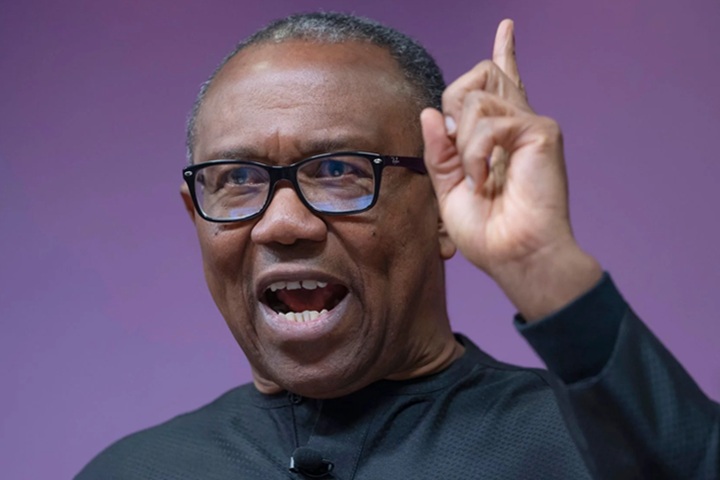
THIS DAWN — Labour Party leader and former presidential candidate, Mr. Peter Obi, has raised alarm over what he described as the prolonged absence and silence of Nigeria’s President in the face of worsening national emergencies.

In a strongly worded statement, Obi asked: “Where is the President of the Federal Republic of Nigeria?”
He stressed that the question was not mere curiosity but a demand for accountability at a critical time in the nation’s history.
Obi highlighted several pressing issues confronting Nigeria:
- Extreme poverty: By the end of 2025, Nigeria is projected to have about 140 million people living in extreme poverty, the highest number globally.
- Hunger crisis: Rising food insecurity continues to affect millions of households.
- Youth unemployment: Over 80 million young Nigerians are reportedly without jobs.
- Infant mortality: Obi noted that Nigeria’s infant mortality rates are worse than those of countries seven times its size, making the country among the worst places to be born.
President’s Absence Amid Mounting National Challenges
Obi expressed concern that despite these challenges, the President reportedly spent 196 days abroad in 2025, more than the time spent within Nigeria.
He described this as deeply troubling given the magnitude of the crises.
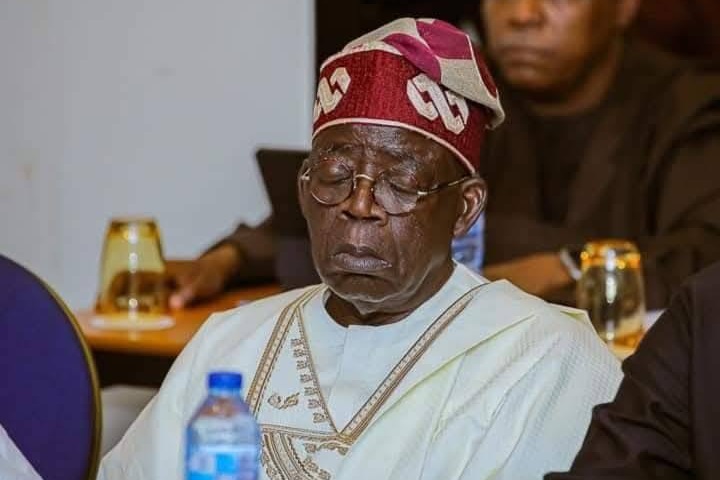
He further noted that Nigerians have not heard directly from their President since December 2025.
Instead of addressing the nation at the start of the New Year, the President allegedly chose to holiday in Europe, leaving the country without a New Year broadcast or message of reassurance.
Silence in Times of Crisis as Symbol of Disconnect
Obi contrasted Nigeria’s situation with other developing nations, where leaders step forward to communicate directly with citizens during difficult times.
He criticized the President’s silence following reported U.S. military strikes on Nigerian soil.
He pointed out that Nigerians learned of the incident through foreign media and American officials rather than their own government.
The former Anambra State governor described the situation as “not governance, but neglect”.
He argued that leadership requires physical presence, direct engagement, and transparent communication.
Obi lamented that instead of speaking to Nigerians face-to-face, the President had previously sent what he described as an AI-generated image.
That, he said, symbolized the widening disconnect between leadership and the people.
“Are we being governed or merely being managed from elsewhere?” he asked.
The question emphasized that leadership is more than issuing press releases through aides.
Call for Visible Leadership
Obi insisted that Nigerians deserve regular, direct media briefings from their President and a clear understanding of the state of the nation.
He stressed that Nigeria cannot be run like a personal business or private club.
He added that rebuilding and growing the economy requires unity, clarity, and visible leadership.
According to him, no policy, reform, or security initiative can succeed in a divided nation.
When leadership withdraws, unity collapses, giving way to mistrust and instability.
Obi warned that in a time of crisis, the absence of leadership is not just troubling but dangerous.
“Silence in the face of crisis is the loudest form of failure,” he declared, urging the President to step forward and directly engage with Nigerians at this critical juncture.