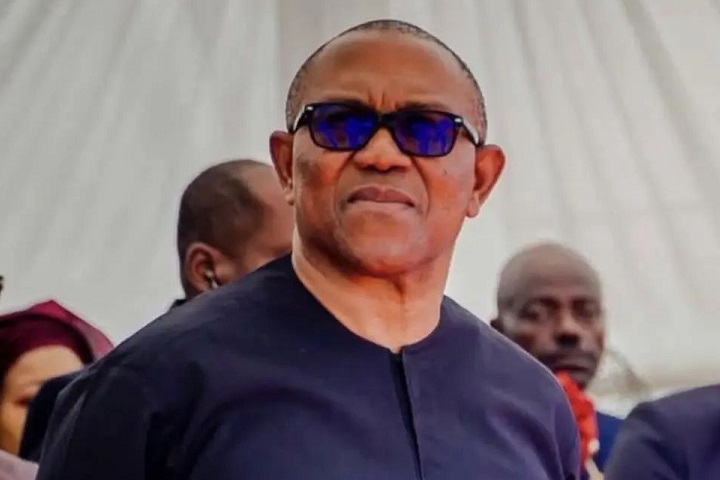
THIS DAWN — If Peter Obi fails to secure the ADC presidential ticket—especially with heavyweights like Atiku Abubakar already positioning himself—the entire 2027 political landscape shifts.

Yet many of his supporters refuse to face this reality. They insist Obi can “turn water into wine,” believing that structure doesn’t matter and that the 2023 wave will return by sheer willpower.
Politics is not magic. Movements without machinery crumble.
Lessons from 2023
One lesson from 2023 is clear: momentum is not infrastructure. The Obidient wave inspired hope, but it did not—and cannot automatically—become a permanent political force.
A real political machine is not built on a personality alone; it thrives through lieutenants, financiers, local organizers, and a chain of loyalty that operates even when the leader is absent.
Ask yourself:
- How many politicians has Peter Obi actually groomed?
- How many careers has he built?
- How many local power brokers owe their survival to him—enough to defend votes, dominate wards, and secure states in 2027?
The answer is obvious.
Most elected officials who rode the Labour Party wave have either defected or now float politically unprotected.
They were passengers on the 2023 tide, not products of a machine.
And that is the ultimate danger of a movement centered on a personality: when the tide recedes, there’s nothing left.
The tide is going out.
Zero beginning
As 2027 approaches, Peter Obi risks starting from zero—new party, new coalition, new structures.
Meanwhile, the political establishment has spent four years studying his 2023 playbook, recalibrating, and preparing to neutralize any repeat surge.
If he doesn’t get the ADC ticket, what options remain?
- Join a minor party? He becomes a symbol without influence.
- Refuse a VP slot in a coalition? He loses institutional backing.
- Run alone? He splits votes without building power.
- Wait too long? He becomes an influencer, not a contender.
The truth is even his Southeast base often evaluates him based on vibes and moral authority, while other regions look at tangible metrics: machinery, leverage, vote banks, and war chests.
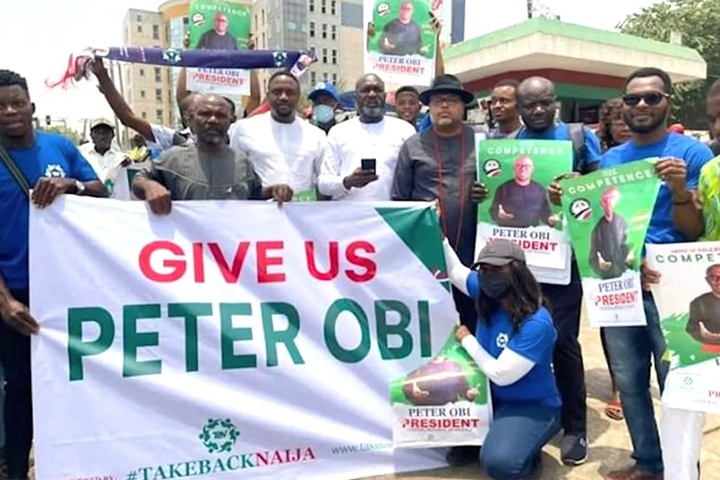
Yoruba politicians build machines. Northern politicians build alliances and control vote blocs. Too often, we in the Southeast build hope.
Hope does not protect ballots. Hope does not dominate collation centers. Hope does not negotiate with power brokers.
2023 should have been the year the Obidient Movement institutionalized itself: building ward structures, winning governorships, securing legislators, and grooming aligned leaders. That is how you prepare for a rematch.
Instead, energy went into clapping, tweeting, and online debates, while the political class was building alliances and setting traps.
Hope versus fleeting power
2027 is almost here.
The hard truth: if Peter Obi does not secure a strong ticket or viable coalition, he will face the entrenched system without a machine, without a regional base, and without leverage.
Passion alone cannot win elections.
The political class knows this. That is why they are not afraid. The element of surprise is gone.
If Obi wants to be more than a leader of a passionate but powerless movement, he must choose:
- build a real political machine with loyalists and structure, or,
- enter a coalition and negotiate from a position of strength.
Pride does not win elections. Sentiment does not win states. Online momentum cannot defeat entrenched machinery.
- 2023 gave momentum.
- 2027 demands architecture.
- 2023 showed the path.
- 2027 requires action—not hope.
Without evolving from a movement leader to a machine builder, this chapter risks becoming a historical footnote—a fleeting moment of hope that never converted into lasting power.
That is the reality!