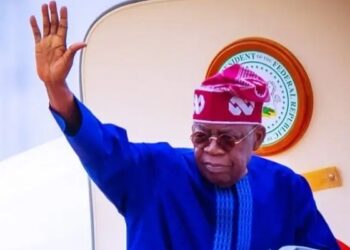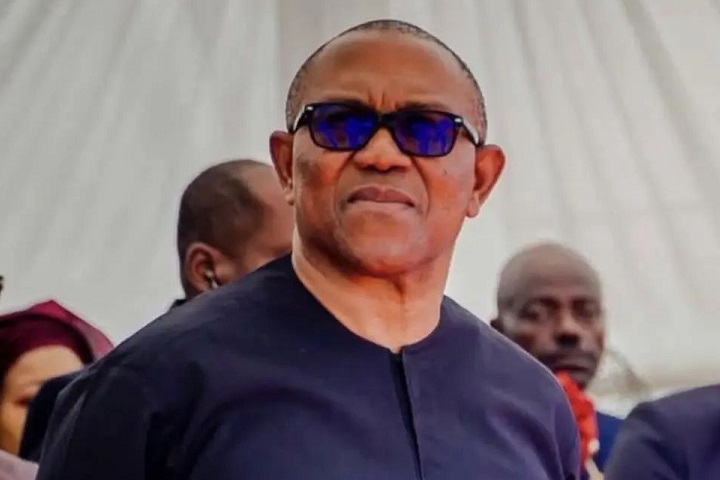
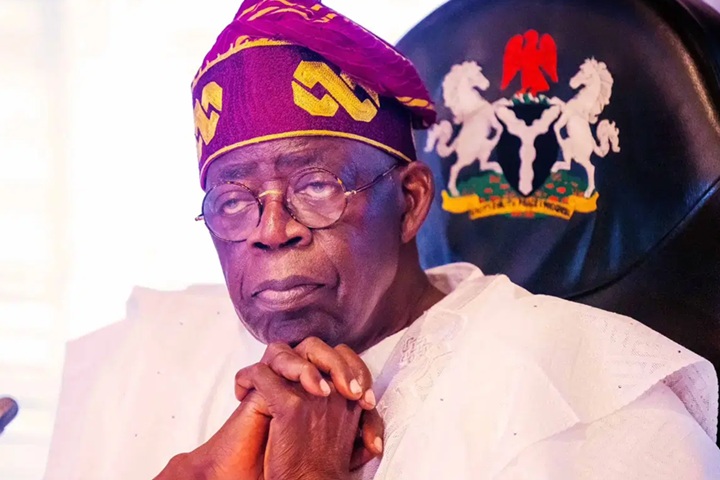
THIS DAWN — Former Anambra State Governor and Labour Party presidential candidate, Mr. Peter Obi, has described Nigeria’s worsening youth unemployment crisis as a direct indictment on the President Bola Ahmed Tinubu-led federal government.

Obi lamented the country’s leadership and economic direction in a press release, warning that the situation now constitutes a national emergency.
Obi reacted to a recent ActionAid/Plan International report which indicates that more than 80 million young Nigerians are unemployed.
He said Nigeria currently tops the world in the absolute number of unemployed youths, largely due to its population size and policy failures.
He noted that while countries such as South Africa record high youth unemployment rates—estimated at about 60 per cent—the actual number of unemployed youths there stands at roughly six million, far lower than Nigeria’s figures.
“When millions of youths are unemployed, it is not a youth problem; it is a leadership failure,” Obi said.
He stressed that Nigeria’s predicament is the consequence of years of political greed and misplaced priorities.
Nigeria, he observed, has one of the largest youth populations globally, with an estimated 75 per cent of citizens under the age of 35.
According to him, such a demographic advantage should ordinarily translate into productivity, innovation, and economic growth.
Instead, he lamented, the country has allowed large-scale joblessness to fester, undermining its future.
Young people… nation’s most productive assets
Obi criticised successive governments for failing to invest meaningfully in young people, describing them as the nation’s most productive assets.
Rather than supporting micro, small and medium enterprises (MSMEs)—which he identified as the backbone of job creation—he said leadership choices have favoured wasteful spending, corruption, and unproductive borrowing.
“These policies shrink opportunities and expand poverty,” he warned.
He added that widespread youth unemployment has left many young Nigerians vulnerable to crime, social unrest, and other vices.
The former governor rejected the notion that Nigeria lacks capable or entrepreneurial youths.
Instead, he argued that the country suffers from a shortage of leaders who are deliberate and intentional about creating opportunities.
“Nigeria does not lack resourceful youths; what we lack are leaders who understand that jobs come from deliberate investments in production,” Obi said.
He emphasised the need for a government that is prudent, transparent, and people-centred, capable of lifting citizens out of poverty rather than deepening economic hardship.
Education as the gateway
Obi also called for a fundamental shift in how leadership views the youth population.
He urged policymakers to recognise young people as the engine of productivity and national growth.
He maintained that sustainable development can only be achieved when governments prioritise education, skills development, industrialisation, and an enabling environment for businesses to thrive.
Beyond criticism, Obi issued a direct call to action for young Nigerians, urging them to become more actively involved in the political process.
He said the current crisis makes it imperative for youths to participate in shaping the nation’s future by electing leaders who genuinely represent their interests.
“This is the time, more than ever, for Nigerian youths to get involved and ensure they elect leaders who have their best interest and the best interest of our nation,” he stated.
Concluding, Obi reiterated his long-standing message that Nigeria needs competent, credible, compassionate, and capable leadership, expressing optimism that meaningful change remains possible.
“A New Nigeria is possible,” he said.