THIS DAWN — Rivers State lawmakers have withdrawn impeachment proceedings against Governor Siminalayi Fubara following a peace accord brokered by President Bola Tinubu between Fubara and his predecessor, Nyesom Wike.

The agreement, witnessed by top national figures, outlines specific terms aimed at restoring political stability in the state.
Peace Accord Between Fubara and Wike – Terms and Implications
The political crisis in Rivers State reached a turning point in early January 2026 when Governor Siminalayi Fubara and Federal Capital Territory Minister Nyesom Wike agreed to a peace accord mediated by President Bola Tinubu.
The deal, witnessed by prominent national leaders including National Security Adviser Nuhu Ribadu and former Rivers Governor Peter Odili, led to the withdrawal of impeachment proceedings against Fubara.
This report breaks down the key terms of the agreement and examines its broader implications for governance and party politics in Rivers State.
Background to the Crisis
The feud between Fubara and Wike, once political allies, escalated into open confrontation in late 2025.
Lawmakers loyal to Wike initiated impeachment proceedings against Fubara, citing gross misconduct.
The crisis threatened to destabilize Rivers State, one of Nigeria’s most economically strategic regions due to its oil wealth.
Tinubu’s intervention was aimed at preventing further escalation and preserving party unity ahead of the 2027 elections.
Breakdown of Peace Terms
1. Withdrawal of Impeachment Proceedings
- Lawmakers agreed to discontinue impeachment moves against Governor Fubara.
- This was the immediate outcome of the accord, restoring temporary stability in the state assembly.
2. Recognition of Assembly Leadership
- The accord affirmed Martin Amaewhule as Speaker of the Rivers State House of Assembly.
- This was a concession to Wike’s loyalists, ensuring their continued influence in legislative affairs.
3. Restoration of Lawmakers’ Status
- The 27 lawmakers who defected from the PDP to the APC were reinstated, reversing earlier moves that questioned their legitimacy.
- This guarantees Wike’s faction a strong foothold in the Assembly.
4. Budgetary Agreement
- Governor Fubara agreed to re-present the 2026 budget to the Amaewhule-led Assembly.
- This addressed disputes over budget approval and reinforced legislative oversight.
5. Non-Interference Clause
- Both parties pledged to refrain from interfering in each other’s political structures.
- Wike’s influence in Rivers politics was acknowledged, while Fubara retained executive authority.
6. Party Unity Commitment
- The accord emphasized maintaining APC cohesion in Rivers State.
- Both factions agreed to prioritize party stability over personal rivalries.
Implications of the Peace Accord
For Governor Fubara
- Strengthened Position: The withdrawal of impeachment secures his immediate survival in office.
- Constraints: Concessions to Wike’s loyalists limit his autonomy, particularly in legislative matters.
- Opportunity: The accord provides breathing space to consolidate his administration and rebuild alliances.
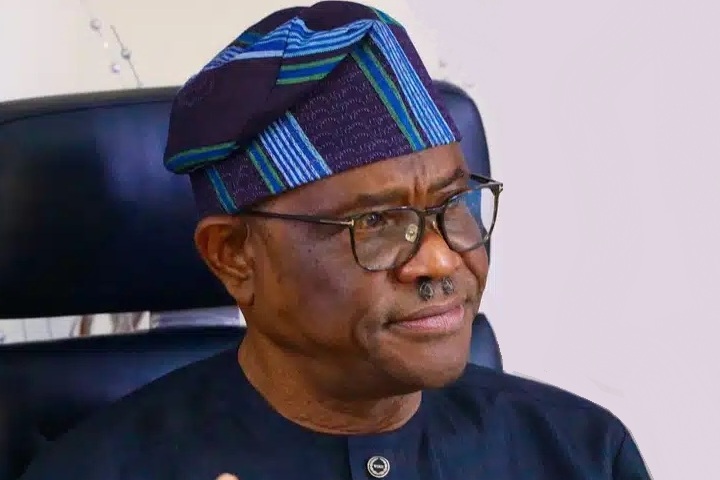
For Nyesom Wike
- Continued Influence: Recognition of his loyalists in the Assembly ensures his political relevance.
- Strategic Gain: Wike retains leverage over Rivers politics while serving as FCT Minister.
- Risk: His dominance may fuel perceptions of overreach, potentially alienating grassroots supporters.
For Rivers State
- Stability Restored: The accord averts a constitutional crisis and allows governance to continue.
- Fragile Peace: The agreement is a temporary truce; underlying tensions remain unresolved.
- Economic Impact: Stability is crucial for oil production and revenue generation, making the accord vital for national interests.
Witnesses and Legitimacy
The accord’s legitimacy was reinforced by the presence of high-profile witnesses.
Wike disclosed that figures such as NSA Nuhu Ribadu and former Governor Peter Odili attended the signing.
Their involvement signals federal endorsement and underscores the seriousness of the agreement.
The peace accord between Governor Siminalayi Fubara and Nyesom Wike represents a significant step toward stabilizing Rivers State’s volatile political landscape.
By withdrawing impeachment proceedings and affirming legislative leadership, the deal temporarily resolves a crisis that threatened governance in one of Nigeria’s most strategic states.
However, the accord is best understood as a fragile truce rather than a permanent settlement.
The balance of power between Fubara and Wike remains delicate, and future disputes could reignite tensions.
For now, the agreement provides a framework for coexistence, with both leaders pledging to prioritize party unity and state stability.