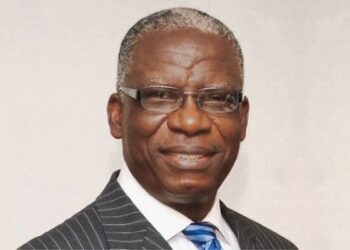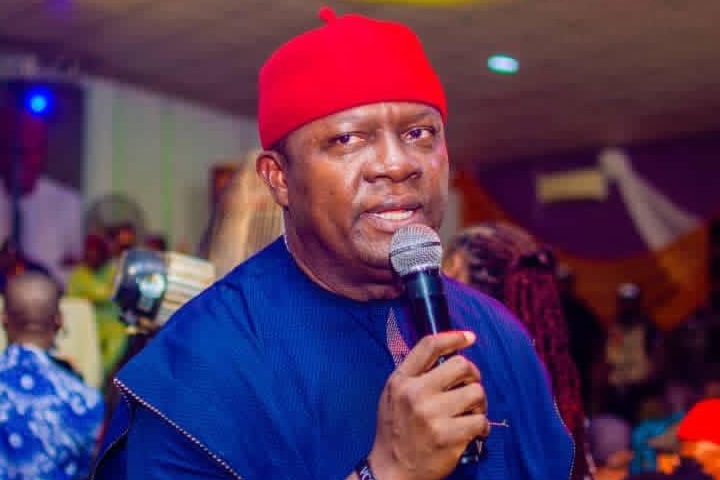
THIS DAWN — In a sweeping and deeply reflective intervention, former Transcorp President and 2025 Anambra governorship aspirant, Mr. Valentine Chineto Ozigbo, has released a powerful 12-Point Open Letter to Ndigbo.

Mr. Ozigbo, in the letter, urged the Igbo nation to embrace spiritual renewal, unity, and moral clarity as the pathway to reclaiming its historic role in Nigeria’s socio-political future.
The letter—rich in biblical allusions, historical parallels, and philosophical introspection—follows what Ozigbo describes as a period of “deep reflection, rediscovery, and spiritual awakening.”
He attributed this awakening to three recent experiences:
- his visit to detained IPOB leader Mazi Nnamdi Kanu,
- Nigeria’s worsening insecurity, and,
- a renewed engagement with African intellectual history, particularly “The Interesting Narrative” by Olaudah Equiano.
According to Ozigbo, these encounters stirred an inner conviction that Ndigbo and Nigeria have entered a “consequential season” requiring clarity of purpose and spiritual realignment.
Ozigbo: “We have stepped into a prophetic hour”
In his message, Ozigbo adopts an unusually pastoral tone, emphasizing that he speaks “not from a lofty place,” but as “a brother who longs for the redemption of our collective story.”
He declares that the Igbo nation has entered “a prophetic hour,” a sacred period where destiny, divine timing, and historical responsibility intersect.
Drawing from Jeremiah 29, he argues that nations too move in divine seasons, and that restoration often comes after periods of hardship intended to refine and prepare a people.
“The Igbo story,” he writes, “resembles that of ancient Israel—scattered but never shattered, wounded but never defeated.”
A Covenant Identity and Prophetic Timeline
Ozigbo suggests that the arc of Igbo survival—from precolonial migrations to the post-war era—reveals a people with a unique covenant identity preserved through adversity.
He argues that Nigeria is approaching a “divine realignment,” and that Ndigbo have a central role in the next chapter of national renewal.
The key, he says, lies in aligning spiritual, cultural, and political values.
“Our contributions are undeniable,” he affirms. “But our future must be reclaimed with humility, purity, and wisdom.”
Spiritual Voices and Historical Witnesses
Ozigbo cites prophetic declarations from several religious leaders—Pastor Paul Adefarasin, Pastor David Ibiyeomie, Bishop David Oyedepo, and Prophet Tomi Arayomi.
These have reportedly spoken about a special moment approaching for Nigeria and the Igbo people.
He also references the affirmations of President Olusegun Obasanjo, Cardinal John Onaiyekan, and Kenyan scholar Prof. PLO Lumumba, all of whom have spoken highly of the Igbo contribution to African civilization.
Additionally, Ozigbo credits Reverend Ladi Thompson for prompting him to revisit the story of Olaudah Equiano, whose faith-guided resilience he sees as a prophetic mirror of the Igbo experience.
Equiano’s Story as a Prophetic Echo
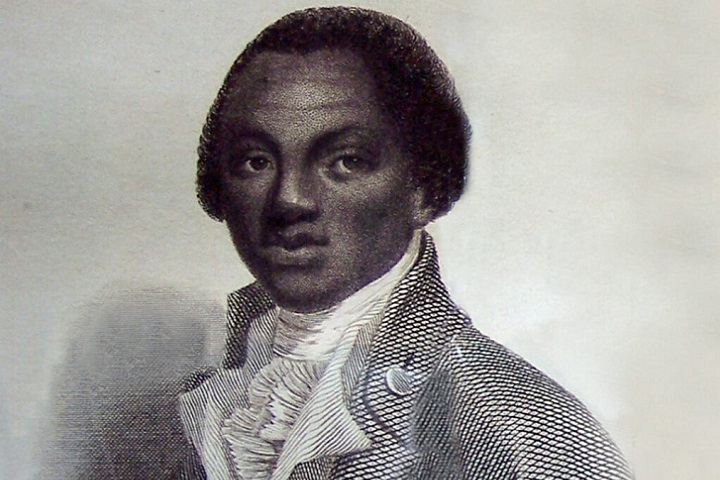
Equiano, kidnapped into slavery as a child yet later a prominent abolitionist, becomes for Ozigbo a metaphor of Igbo destiny— “kidnapped yet preserved, oppressed yet unbroken.”
Equiano’s unwavering belief in divine providence, he argues, offers a spiritual roadmap for Ndigbo: adversity can be preparation, not defeat.
“Those who endure the night with faith,” Ozigbo quotes, “are often the ones trusted with the dawn.”
“We are the Judea nation of today”
In one of the letter’s most striking assertions, Ozigbo compares the Igbo to ancient Judeans—scattered, persecuted, yet foundational to the unfolding of history. He argues that what is coming is not the rise of one heroic “David,” but a generation of Davids and Samuels—men and women embodying courage, purity, and prophetic clarity.
He insists that this awakening must begin with a return to righteousness and moral authenticity.
“God does not recruit through privilege,” he writes. “He chooses those whose hearts are pure.”
A Call for National Healing
Grounding his message in 2 Chronicles 7:14, Ozigbo outlines what he calls God’s “formula for national renewal”: humility, prayer, repentance, and moral discipline.
These, he says, are the prerequisites for divine intervention in the affairs of any nation.
He warns that Igbo prosperity must not become an idol, insisting that wealth must serve purpose, not vanity.
“Our hands determine our destiny,” he reminds. “Prosperity is not the problem. Idolatry is.”
A Message to Other Nigerian Ethnicities
Ozigbo emphasizes that his words are not a claim to Igbo superiority but a reminder of responsibility.
Every Nigerian tribe, he says, carries a divine grace, and a flourishing Igbo nation strengthens—not threatens—the federation.
“Unity in diversity must become our collective strength,” he stresses.
The letter concludes with an appeal for Ndigbo to return to God the Father, Jesus Christ the Redeemer, and the Holy Spirit as Guide, under the intercession of the Blessed Virgin Mary.
“Nothing can stop a people anchored in God,” he declares.
CUSP: The Roadmap to Igbo Renewal
Ozigbo ends his message with a rallying call encapsulated in the acronym CUSP:
-
Courage
-
Unity
-
Strategy
-
Purity
He insists that destiny will not manifest for a divided or morally compromised people, and urges every Igbo son and daughter to embrace spiritual and ethical renewal.
He concludes with a solemn prayer for purification, healing, and divine empowerment for the Igbo nation.
About Valentine Ozigbo
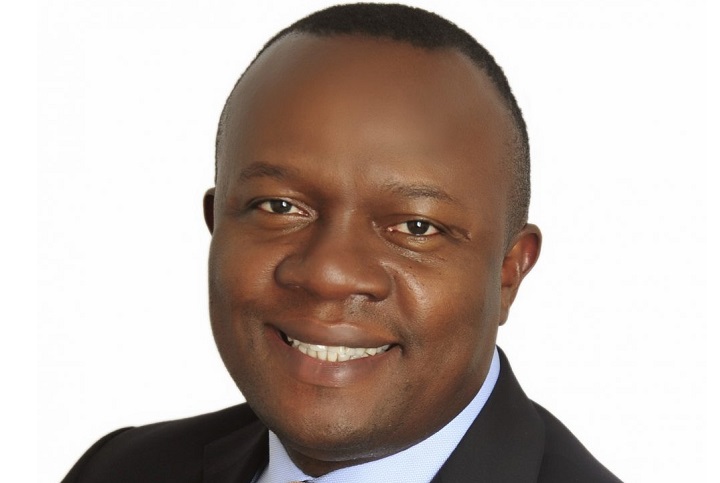
Valentine Ozigbo is a 2025 Anambra governorship aspirant.
He is the founder of the VCO Foundation, founder of the Valiant Movement, and immediate past President and Group CEO of Transcorp Plc.
In 2025, he received the Seven Stars Leadership & Governance Excellence Medal.