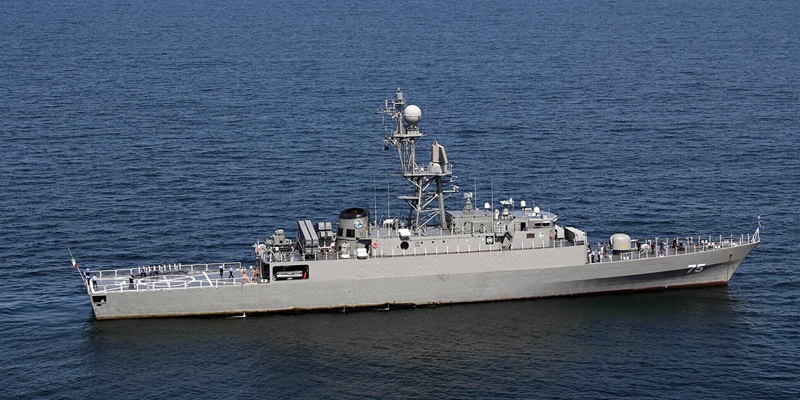
TDA dramatic escalation unfolded in the Indian Ocean as a U.S. military submarine strike sank an Iranian warship off the coast of Sri Lanka.

The attack sparked a multinational search‑and‑rescue operation with casualty figures in dispute.
The incident, confirmed by multiple U.S. officials speaking to Reuters, underscores the widening scope of Washington’s campaign against Iran’s naval forces.
The Incident
- Strike and sink: According to three U.S. officials, the strike was carried out by a U.S. submarine in international waters near Sri Lanka.
The Iranian vessel was reportedly destroyed within minutes, sending out a distress call before going under.
- Rescue operation: Sri Lanka’s navy and armed forces responded swiftly, launching a large‑scale search‑and‑rescue mission.
Authorities confirmed that 32 sailors had been rescued alive and several bodies recovered from the sea.
Casualties and Missing Persons
- Conflicting reports: Sri Lankan defence sources initially told media outlets that at least 101 sailors were missing.
However, a navy spokesman later disputed that figure, insisting the numbers were exaggerated and declined to confirm the cause of the sinking.
- International coverage: Global outlets reported “several dead” and “dozens unaccounted for”.
The incident highlighting the uncertainty as rescue efforts continued into Wednesday evening.
U.S. Military Context
Part of a broader campaign: The strike is the latest in a series of U.S. operations targeting Iran’s navy.
On Tuesday, U.S. Central Command announced that 17 Iranian warships had already been sunk since the campaign began on Saturday.
The stated objective, according to the U.S. military was to neutralise Iran’s naval capabilities.
Strategic escalation: The use of a submarine strike in international waters represents a significant escalation.
It signals Washington’s determination to cripple Iran’s maritime presence far beyond the Persian Gulf.
Reactions and Uncertainty
- Sri Lanka’s position: Local authorities have focused on humanitarian response, avoiding direct attribution of the attack.
Defence officials acknowledged the vessel was struck but said it was “unclear who attacked the ship.”
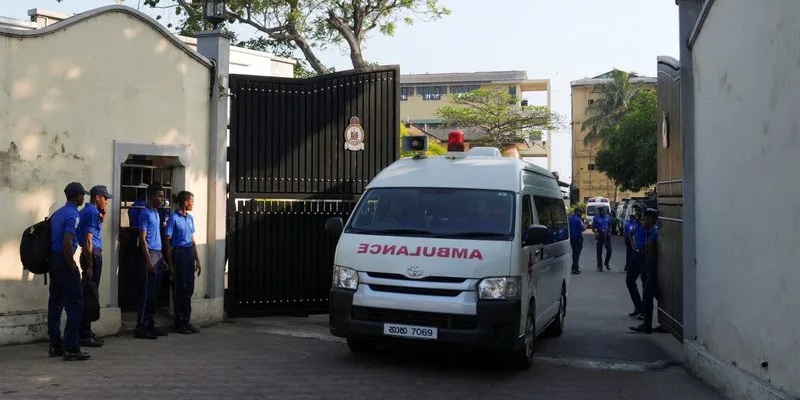
- Humanitarian response: Survivors were taken to hospitals in Colombo and Galle.
Meanwhile, Sri Lanka’s navy continued search operations with support from fishing vessels and coast guard units.
- Diplomatic silence: Neither Iran nor the U.S. has issued a detailed public statement on the Sri Lanka incident.
Both governments, though, are expected to face mounting international pressure to clarify events.
Why It Matters
Escalation risk: The sinking of a state warship in international waters raises the stakes in the U.S.–Iran confrontation, with potential ripple effects across Asia and the Middle East.
Regional stability: The Indian Ocean, a critical artery for global trade and energy shipments, now faces heightened security risks.
Commercial shipping lanes near Sri Lanka could be vulnerable to disruption.
Diplomatic fallout: The incident is likely to draw responses from the United Nations, NATO allies, and regional powers such as India and China, all of whom have strategic interests in the Indian Ocean.
What to Watch Next
Official confirmations: Statements from the Pentagon, Iran’s Defence Ministry, and Sri Lanka’s government clarifying responsibility and casualty figures.
Rescue updates: Ongoing search‑and‑rescue operations may reveal the full scale of fatalities and survivors.
Global reaction: Diplomatic responses from regional governments, the UN Security Council, and NATO partners as tensions escalate.
Iran’s response: Whether Tehran retaliates militarily or seeks international condemnation of the U.S. strike.