

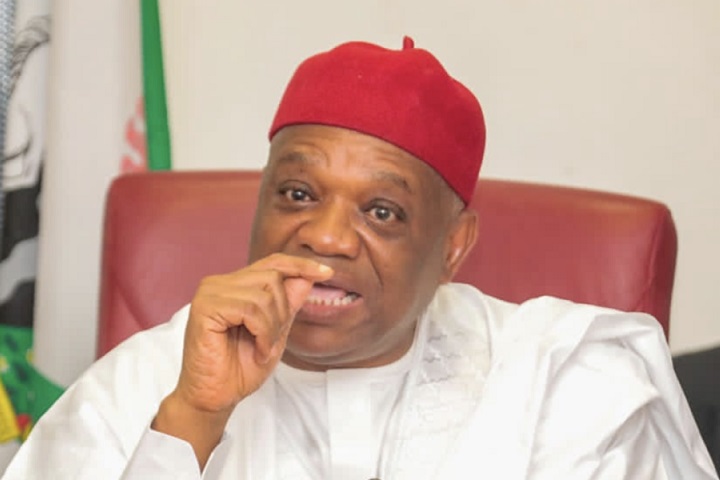
THIS DAWN — Former Governor of Abia State and Senator representing Abia North, Orji Uzor Kalu, has raised alarm over what he described as the catastrophic human and economic toll of the separatist agitations linked to the convicted leader of the Indigenous People of Biafra (IPOB), Mazi Nnamdi Kanu.

Speaking during an interview on Channels Television’s Politics Today, Senator Kalu asserted that more than 30,000 Igbo civilians lost their lives over the past four years as a result of violence and unrest stemming from the agitation.
Kalu reiterated his longstanding involvement in efforts to secure Kanu’s release.
He revealed that his negotiations with the Federal Government date back to 2016, before his defection to the All Progressives Congress (APC).
According to him, he made Kanu’s release a precondition for joining the ruling party.
He insisted that the Buhari administration—through former Attorney-General of the Federation, Abubakar Malami—fulfilled its promise by facilitating Kanu’s bail in 2017.
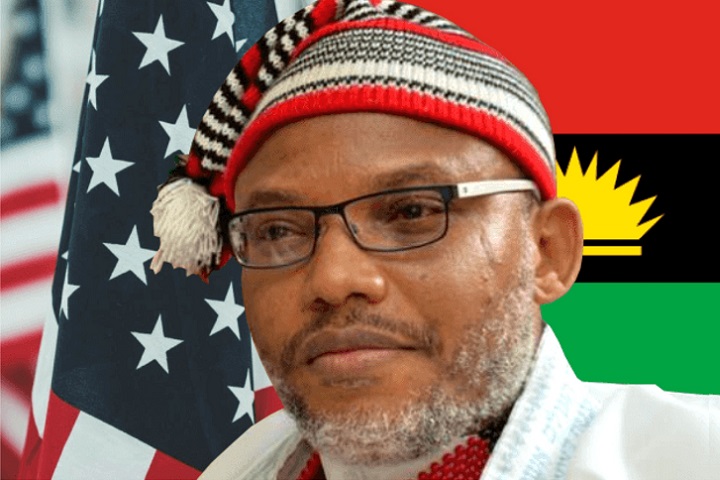
However, the former governor condemned what he described as the “devastating consequences” of the agitation.
He urged Ndigbo to confront the realities rather than cling to emotional narratives.
He argued that the deaths of hundreds of security officers at the hands of violent separatists are publicly documented.
However, the civilian casualties—estimated by him at over 30,000—represent an even more tragic dimension of the crisis.
Agrees with Bianca Ojukwu
According to Kalu, many of the deaths resulted from clashes, sit-at-home enforcement, armed criminality disguised as agitation, and retaliatory security operations.
He stressed that the economic losses suffered by the South East run into billions of naira, with businesses destroyed, investors scared off, and livelihoods shattered.
The former governor also expressed displeasure with Nnamdi Kanu’s conduct during his court appearances.
He noted that such actions further alienated critical stakeholders who could have contributed to a political resolution.
He cautioned that the region must now prioritize sober reflection over incendiary rhetoric.
Aligning himself with recent remarks by Ambassador Bianca Ojukwu, Kalu declared that “this is not a time for noise but for wisdom.”
He urged Igbo leaders, politicians, and youths to embrace dialogue, lawful political engagement, and regional stability as the only sustainable path forward.
Kalu concluded by calling on Ndigbo to “rise above emotions” and support peace-building efforts that will restore development, investment confidence, and security across the South East.