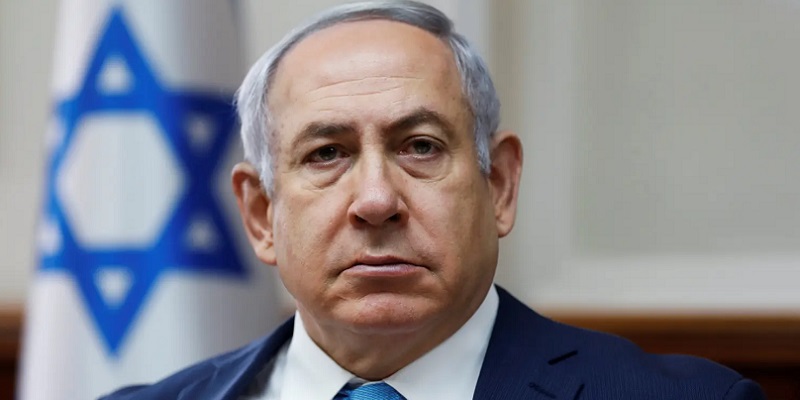
THIS DAWN — Barely days after Israel formally recognized the Republic of Somaliland as a sovereign state, a coalition of 22 countries and the Organization of Islamic Cooperation (OIC) has issued a joint statement unequivocally rejecting the move.

The declaration, released on December 27, 2025, underscores the serious geopolitical repercussions of Israel’s decision and reaffirms full support for the sovereignty and territorial integrity of the Federal Republic of Somalia.
The statement reflects a coordinated diplomatic response from Middle Eastern, African, and Asian nations, including Nigeria, Egypt, Saudi Arabia, Turkey, Pakistan, and Somalia itself, alongside the OIC.
It marks one of the strongest collective condemnations of Israel’s recognition of Somaliland, which was announced on December 26, 2025, and hailed by Somaliland’s leadership as a historic breakthrough.
Israel’s Recognition of Somaliland
As reported earlier, Somaliland’s President Abdirahman Mohamed Abdillahi (Irro) declared that Israel had officially recognized Somaliland’s sovereignty and independence, establishing full diplomatic relations. Somaliland also expressed its intention to accede to the Abraham Accords, signaling alignment with Israel and other signatories in promoting regional cooperation.
For Somaliland, the recognition represented a milestone in its decades‑long quest for international legitimacy. However, for Somalia and its allies, the move was seen as a direct violation of Somalia’s sovereignty and a dangerous precedent in international law.
The Joint Statement
The joint communiqué issued by the foreign ministers of Jordan, Egypt, Algeria, Comoros, Djibouti, The Gambia, Iran, Iraq, Kuwait, Libya, Maldives, Nigeria, Oman, Pakistan, Palestine, Qatar, Saudi Arabia, Somalia, Sudan, Türkiye, Yemen, and the OIC outlined five key points:
- Rejection of Israel’s Recognition: The ministers condemned Israel’s recognition of Somaliland as an unprecedented measure with serious repercussions for peace and security in the Horn of Africa, the Red Sea, and international stability.
- Violation of International Law: They described the recognition as a grave breach of the United Nations Charter and international law, which mandate respect for state sovereignty and territorial integrity.
- Support for Somalia: The statement reaffirmed unwavering support for Somalia’s sovereignty, unity, and territorial integrity, rejecting any measures that undermine its authority over its entire territory.
- Dangerous Precedent: The ministers warned that recognizing parts of states as independent entities threatens international peace and security and violates cardinal principles of international law.
- Palestinian Context: The communiqué rejected any attempt to link the recognition of Somaliland with efforts to forcibly expel Palestinians from their land, stressing that such actions are unacceptable as a matter of principle.
Nigeria’s Position
Nigeria’s inclusion in the joint statement aligns with its earlier press release from the Ministry of Foreign Affairs, which reaffirmed support for Somalia’s sovereignty and urged international actors to desist from recognizing any part of Somalia as independent. Nigeria emphasized that Somalia’s stability is integral to peace in the Horn of Africa and the wider continent.
Implications for Regional Security
The coordinated rejection highlights the geopolitical fault lines created by Israel’s recognition of Somaliland. While Somaliland views the recognition as validation of its democratic governance and stability, Somalia and its allies see it as a destabilizing act that could embolden separatist movements elsewhere.
The Horn of Africa, already plagued by terrorism, piracy, and inter‑communal conflicts, faces heightened uncertainty. The Red Sea, a vital maritime corridor, could also become a flashpoint if regional tensions escalate.
Israel’s recognition of Somaliland has triggered a swift and forceful response from OIC member states and allies, who view the move as a violation of Somalia’s sovereignty and a dangerous precedent in global diplomacy. The joint statement underscores the deep divisions over Somaliland’s quest for recognition and the broader implications for international law and regional stability.
As Somaliland celebrates its diplomatic breakthrough, Somalia and its allies remain firm in their rejection, setting the stage for intensified debate within the African Union, the United Nations, and other multilateral forums. The coming months will reveal whether Israel’s recognition sparks further endorsements or remains an isolated act opposed by much of the international community.