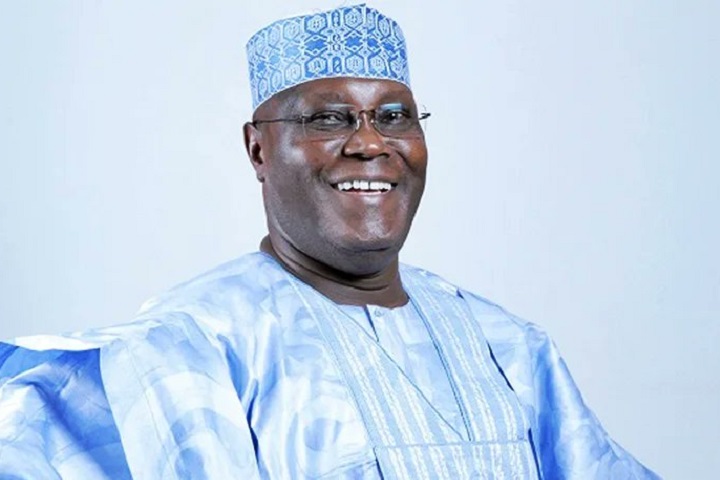
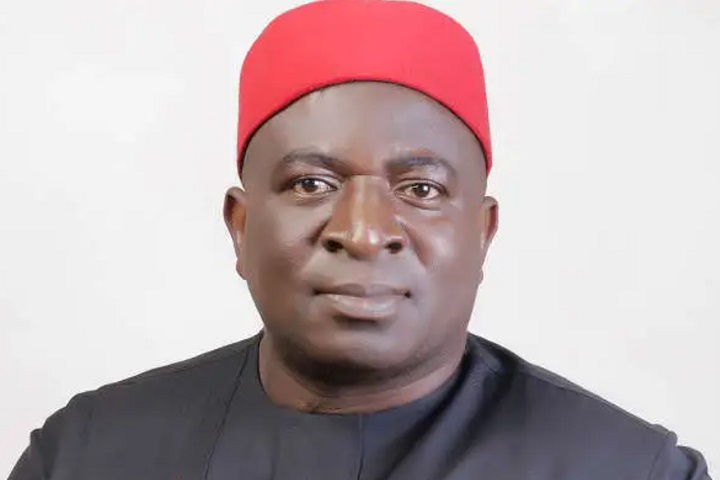
THIS DAWN — A fresh wave of political and ethnic debates has emerged following recent commentary by legal practitioner and public affairs analyst, Chief Obunike Ohaegbu, Ezesinachi Ukpor, who responded forcefully to critics who repeatedly remind that former Vice President Atiku Abubakar “is Fulani.”

Chief Ohaegbu argues that this fixation on Atiku’s ethnic identity reflects a deeper national problem—one that reduces leadership potential to stereotypes and leaves no room for nuance.
In a detailed statement from his hometown of Ukpor in Anambra State, Ohaegbu recounts his upbringing in the South-East, describing himself as “a village boy raised entirely within Igbo cultural worldview.”
He notes that his first time leaving Anambra was as an adult for the Nigerian Law School in Abuja, underscoring how deeply his experiences were shaped by regional narratives.
Yet, despite that background, he insists that nothing about Atiku Abubakar fits the negative stereotypes often associated with Fulani identity in public discourse.
Quoting Senator Ben Obi, Ohaegbu highlights a statement that resonated strongly with him.
He said: “Atiku does not know a Yoruba man, an Igbo man, a Fulani man or a Tiv man. He loves everyone.”
“Too liberal, too accommodating, too detribalised”
According to Ohaegbu, this assessment aligns with everything he has observed in more than ten years of studying Atiku’s political life.
He recalled his first personal encounter with Atiku at the historic 2018 meeting at Nike Lake Resort, where Igbo leaders endorsed Atiku and his then–running mate, Peter Obi.
From that moment onwards, Ohaegbu said that it became clear that Atiku was “one of the most detribalised leaders Nigeria has produced.”
Ohaegbu argued that his support for Atiku extends beyond admiration.
It is anchored in the belief that Atiku represents “the shortest, most realistic path to an Igbo presidency,” owing to his inclusiveness, political reach, and willingness to accommodate all groups.
He pointed to Atiku’s over 40 years in public life—from his days in the Nigeria Customs Service to his political career—insisting that there is no credible record of anti-Igbo bias.
On the contrary, he says Atiku was often criticised by people from his own region for being “too liberal, too accommodating, too detribalised.”
According to Ohaegbu, attempts to label Atiku with the sins of violent herders or the actions of criminal elements within the Fulani ethnic group are politically motivated tactics used by those threatened by Atiku’s national influence.
“Atiku is Fulani purely by accident of birth,” he writes.
“In character, worldview, relationships, and conduct, he is nothing like the caricature people try to impose on him,” he added.
The Ukpor-born lawyer concludes emphatically: “That is the Atiku I support. That is the Atiku I know.”

![General Ibrahim Badamasi Babangida (rtd) [IBB]](https://thisdawn.com/wp-content/uploads/2025/12/Ibrahim-Badamasi-Babangida-75x75.jpg)