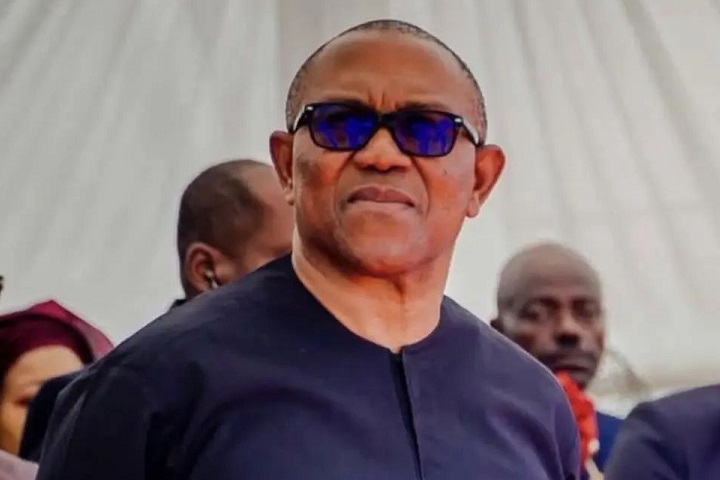
THIS DAWN — A fresh wave of internal debate has swept through Nigeria’s Obidient movement following the circulation of a strongly worded open letter urging supporters to allow Labour Party’s 2023 presidential candidate, Peter Obi, to independently determine his political direction ahead of the 2027 general elections.

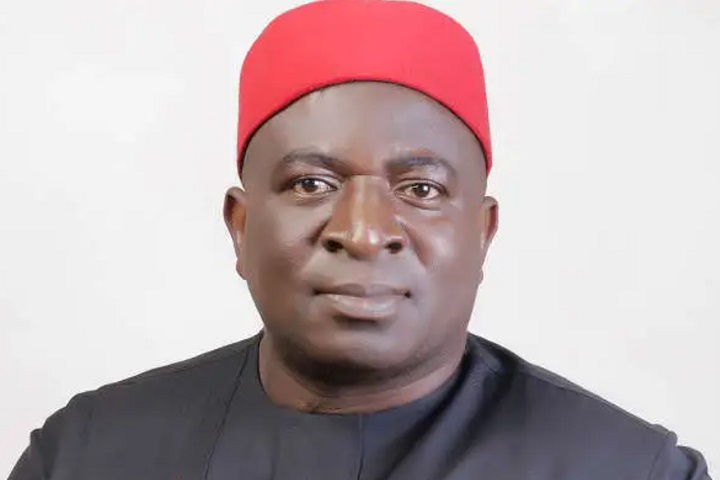
The letter, authored by a former Public Complaints Commission (PCC) commissioner, Barrister Obunike Ohaegbu, appeals for restraint as tensions grow among supporters over whether Obi should contest on his own platform, pursue a coalition, or negotiate a broader ticket for the next electoral cycle. According to the writer, the recent disagreements — including arguments over whether the former Anambra governor should seek the ADC ticket or return to the PDP in alliance talks — risk fracturing a movement that prides itself on unity and reform.
Ohaegbu stresses that if millions of Nigerians trust Obi to lead the nation, it is inconsistent to assume he cannot decide on the political structure best suited to winning the presidency. “It is illogical to believe he is wise enough to lead a country but too confused to choose his own vehicle,” the letter states.
Warning Against Internal Division
The writer identifies two major camps within the movement: those convinced Obi can win outright in 2027, and those who believe that structural alliances and political pragmatism are essential. Both factions, he argues, are equally Obidient and driven by the same goal — and must resist descending into factionalism at a crucial moment.
“A movement that hopes to govern a divided nation must not divide itself over strategy,” he warns.
Lessons From Obi’s Political Past
A central theme of the letter is Obi’s long-standing awareness of the importance of political structure. Recalling Obi’s turbulent first term as governor — including his impeachment by a PDP-controlled House of Assembly in 2006 — Ohaegbu argues that the leader himself learned the risks of relying on popularity without institutional backing.
He recounts how Obi subsequently strengthened APGA’s legislative presence and even absorbed opposition lawmakers to stabilize governance. This experience, the letter states, makes Obi uniquely qualified to judge when alliances are necessary.
2027 Will Be Tougher Than 2023
The writer dismisses assumptions that Obi’s 2023 performance can simply be replicated in 2027. He highlights three major shifts:
-
Lagos Will Be Deeply Contested:
Ohaegbu warns that Obi’s historic 2023 Lagos victory may not repeat easily, citing the violence targeted at Igbo communities that year and emphasizing that President Bola Tinubu will not allow a repeat. -
Coalitions May Be Crucial:
He suggests that an Atiku–Obi ticket remains one of the most “electorally potent and nationally balanced” options, capable of uniting diverse regional blocs and correcting historical inequalities between the North-East and South-East. -
Voter Vulnerability Has Worsened:
Citing a recent viral video from the Anambra elections, he argues that economic hardship has increased vote-buying susceptibility, making party structure and funding indispensable.
Condemnation of “Obidiots” and Internal Saboteurs
The letter harshly criticizes individuals who attack Atiku Abubakar daily while claiming loyalty to Obi, describing them as “Obidiots” and accusing them of sabotaging potential alliances through inflammatory rhetoric. According to Ohaegbu, such actors are “clowns in borrowed robes” who threaten the movement’s broader strategic interests.
“Let Obi Lead” – Final Appeal
Drawing from personal anecdotes — including childhood lessons involving a family dog named Bingo — Ohaegbu insists that a movement cannot dictate to its leader. “A dog wags its tail; a tail cannot wag a dog,” he writes, urging Obidients to trust Obi’s judgment whether he chooses a solo run, coalition, or renegotiated partnership.
The letter concludes with a sharp message: while 2023 brought moral momentum, 2027 will demand political machinery, deeper alliances, and strategic discipline. Allowing Obi to make the decisive call, Ohaegbu argues, represents not weakness but “the highest form of loyalty.”
The open letter has since triggered intense debate online, underscoring persistent uncertainty over the direction of Nigeria’s most vocal political movement as the countdown to 2027 accelerates.