TDNigeria is grappling with an alarming surge in insecurity under the current President Bola Ahmed Tinubu’s regime, with 22,460 conflict-related fatalities recorded between 2024 and 2025.

According to data compiled by StatiSense, this figure is 58% higher than the combined toll during the first two years of the Presidents Olusegun Obasanjo, Shehu Musa Yar’Adua, and Goodluck Jonathan administrations.
These deaths stem from violent clashes involving insurgents, militias, and government forces, alongside targeted attacks on civilians.
On average, 31 Nigerians died every single day during this period—four times higher than the daily toll at the start of Obasanjo and Jonathan’s presidencies.
Regional Hotspots of Violence
The insecurity crisis is not confined to one region but has spread across the country:
-
Northeast:
Boko Haram and ISWAP remain entrenched, staging deadly ambushes, suicide bombings, and raids on military bases and villages in Borno, Yobe, and Adamawa.
Despite years of military campaigns, their networks continue to adapt and expand.
-
Northwest:
Banditry has spiraled into a full-blown humanitarian disaster.
Armed groups in Zamfara, Katsina, and Kaduna routinely attack villages, abduct schoolchildren, and demand ransoms, leaving communities devastated.
-
Northcentral:
Farmer-herder clashes and communal disputes in Benue, Plateau, and Nasarawa have escalated, fueled by competition over land and resources.
Militia violence has displaced thousands, deepening ethnic and religious tensions.
-
South-South & Southeast:
Oil theft, separatist agitations, and cult-related killings destabilize communities.
The vices also disrupt economic activities, and undermine security in states like Rivers, Bayelsa, and Anambra.
Humanitarian Toll
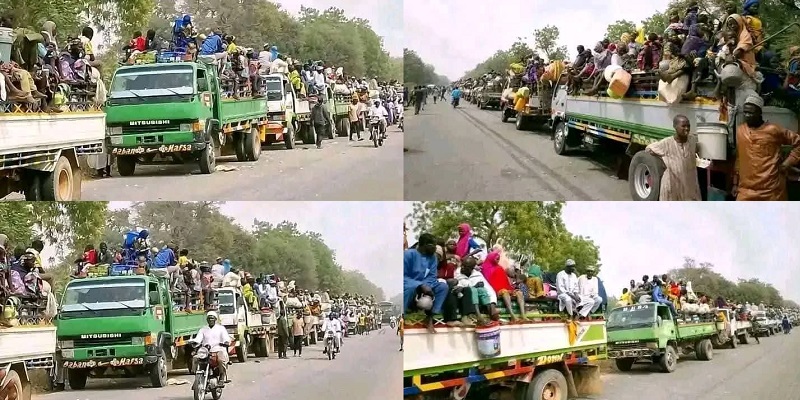
The human cost of Nigeria’s insecurity is devastating. Millions have been displaced, crowding into Internally Displaced Persons (IDP) camps where food, healthcare, and education are scarce.
Farmers abandon their lands due to fear of attacks, worsening food insecurity and driving up inflation.
Children are among the most vulnerable—many are out of school due to abductions or displacement, while survivors of violence endure long-term psychological trauma.
Women and girls face heightened risks of sexual violence in conflict zones, compounding the humanitarian crisis.
Calls for Urgent Action
Security analysts and civil society groups warn that Nigeria’s escalating violence threatens national stability and economic growth. They urge the government to:
- Strengthen intelligence networks to detect and prevent attacks before they occur.
- Equip and support frontline troops, ensuring better welfare, training, and modern weaponry.
- Engage local communities to build trust and counter insurgent recruitment.
- Address root causes such as poverty, unemployment, corruption, and weak governance that fuel extremism and banditry.
Outlook
Nigeria stands at a critical juncture.
With fatalities rising at alarming rates, the country risks sliding deeper into instability unless decisive measures are taken.
The insecurity crisis undermines governance, weakens investor confidence, and fractures national unity.
The figures paint a grim reality: Nigeria is at war with itself, and the urgency to restore peace and security has never been greater.
Without bold reforms and sustained action, the nation’s future stability and prosperity remain in peril.