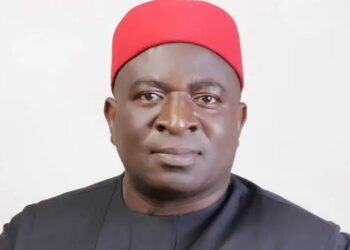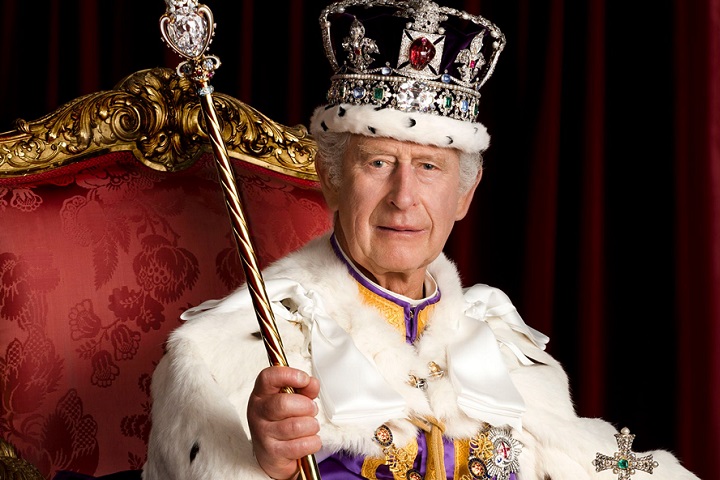

Kio Amachree, a Nigerian political scientist with distinguished family ties to Nigeria’s constitutional and political foundations, has issued a powerful open letter to King Charles III.
In the letter, Amachree appeals for the immediate cancellation or postponement of a proposed state visit by President Bola Ahmed Tinubu of Nigeria.
Educated at Eton College and connected to senior figures in British public life, Amachree emphasized that his appeal is not from the margins but from within a network of historical and institutional ties between Nigeria and the United Kingdom.
He framed his request as both urgent and morally necessary, warning that Britain risks legitimizing a leader whose credibility is under serious question.
Key Concerns Raised in the Letter
- Nigeria’s Fragile Stability Amachree described Nigeria as “close to rupture,” pointing to terrorism, kidnappings, banditry, and organized criminal violence. He highlighted collapsing confidence in democratic institutions, severe economic hardship, and deepening ethnic and regional tensions as evidence that Nigeria is teetering on the edge of national fracture.
- Tinubu’s Controversial Presidency The letter underscored long-standing allegations of corruption surrounding President Tinubu, persistent questions about his financial history, and accusations of institutional capture. Amachree noted widespread doubts over Tinubu’s academic claims and personal records, warning that many Nigerians believe the country is being run by a political cartel rather than democratic leadership.
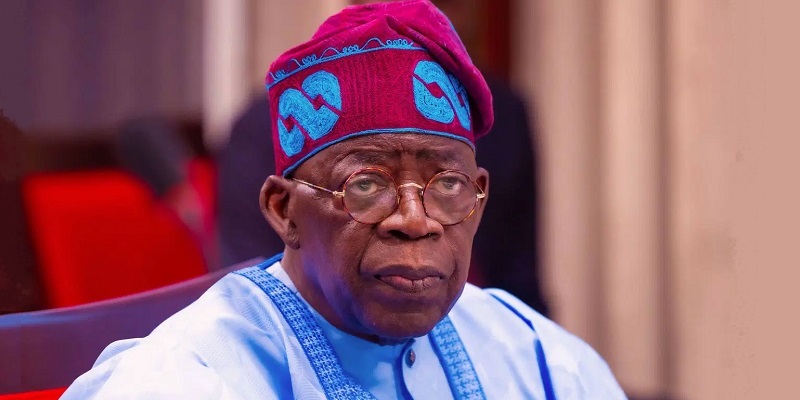
- Democratic Erosion With the 2027 election cycle approaching, Amachree cautioned that many Nigerians fear manipulation of the electoral process. Hosting Tinubu in London, he argued, would be interpreted as Britain endorsing electoral fraud and indifference to democratic decline.
- Offensive Optics Amachree stressed that millions of Nigerians are suffering from hunger, unemployment, inflation, and insecurity. To invite Tinubu to a ceremonial reception in Britain while ordinary Nigerians endure violence and despair would, he said, be “a cruel insult” that could fuel public anger.
- Propaganda Risk The letter warned that Tinubu’s government would exploit royal photographs and ceremonial recognition as propaganda, presenting them as proof of Britain’s support and using them to silence critics and reformers.
- Commonwealth Principles Amachree insisted that the Commonwealth must stand for rule of law, democratic legitimacy, accountability, and moral seriousness. Inviting a leader surrounded by corruption allegations undermines those principles and weakens the credibility of the institution.
Conclusion of the Letter
Amachree urged King Charles to cancel or postpone the visit, citing national security concerns, democratic instability, and governance credibility.
He concluded with a stark warning:
“Do not allow the British Crown to be used as a shield for corruption and democratic sabotage. History will remember what was done at this moment.”
Context and Implications
This open letter comes at a time when Nigeria faces mounting internal crises and international scrutiny.
The appeal highlights the delicate balance Britain must maintain between diplomatic engagement and moral responsibility.
For the Crown, the decision carries symbolic weight: whether to extend ceremonial legitimacy to a leader under controversy or to signal solidarity with democratic principles and the suffering Nigerian populace.
Amachree’s intervention, rooted in both Nigerian history and British connections, adds a unique voice to the debate.
His plea underscores the broader question of how the Commonwealth should respond when member states face democratic instability and governance crises.