THIS DAWN — The tragic image of slain seminarian Emmanuel Alabi has gone viral across social media, igniting outrage not only in Nigeria but also among Catholic communities worldwide.

On July 10, armed men stormed the Immaculate Conception Minor Seminary in Ivianokpodi, Diocese of Auchi.
The assailants killed a security officer and abducted three seminarians aged 15–16.
One was released on July 18.
Another, Joshua Aleobua, was freed on November 4.
Emmanuel Alabi was killed in captivity under circumstances still unknown.
Auchi Diocese Mourns
The Diocese of Auchi expressed gratitude for the safe return of the two survivors but mourned Emmanuel’s death.
Bishop Gabriel Dunia condemned Nigeria’s worsening insecurity.
Dunia urged authorities to prioritize citizens’ safety over political interests ahead of the 2027 elections.
Global Reaction
Catholic communities abroad have joined Nigerian faithful in mourning Emmanuel, with vigils held in parishes across Europe and North America.
Human rights organizations have renewed calls for international intervention.
They stressed that Nigeria’s government must be held accountable for failing to protect vulnerable citizens.
The Vatican has reportedly expressed concern, highlighting the broader pattern of violence against Christians in Nigeria.
On social media, Emmanuel’s picture has become a symbol of the global struggle for religious freedom, with hashtags like #JusticeForEmmanuel and #StopPersecution trending.
The Bigger Picture Catholics have long decried government inaction.
They note that thousands of Christians are killed annually in targeted attacks.
Church leaders hope that the viral spread of Emmanuel’s image will amplify international pressure and finally prompt decisive action against the wave of violence.
177 Churchgoers Kidnapped in Kaduna.
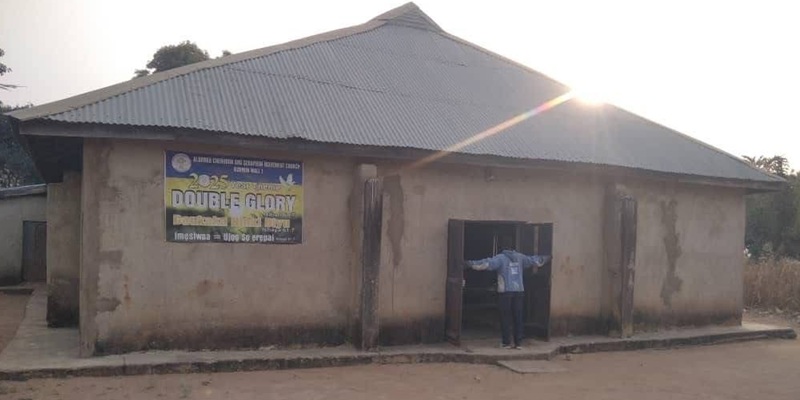
Key Facts About the Kaduna Mass Kidnapping
- Date and Location: January 18, 2026, at ECWA Church and Cherubim and Seraphim Churches 1 & 2 in Kurmin Wali, Kajuru LGA, Kaduna State.
- Number of Victims: 177 people abducted, including men, women, and children.
Some families lost 10–13 members at once.
- Escapes: At least nine worshippers managed to escape, leaving over 160 still missing.
- Community Impact: The raid came just a week after residents paid ₦2.6 million ransom to free 20 previously abducted villagers.
- Government Response: Authorities and police initially denied or downplayed the incident, sparking anger and accusations of a cover-up.
- Confirmation: A police situation report later confirmed the attack occurred during church services.
Broader Context
- Pattern of Violence: Kaduna has faced repeated mass abductions, often targeting Christian communities during worship.
- Families Devastated: The Jonathan family lost 12 members, the Amos family 13, and several others lost between 5–10 relatives.
- Human Rights Concerns: Activists accuse the government of failing to protect vulnerable communities and attempting to suppress reports of such attacks.
- Security Breakdown: The incident highlights worsening insecurity in Nigeria’s Middle Belt, where banditry and religiously targeted violence are rampant.
- Community Trauma: With entire households abducted, Kurmin Wali is left depleted of able-bodied residents, deepening economic and social strain.
- International Pressure: The scale of the kidnapping has renewed calls for global attention to Nigeria’s security crisis.
The Kaduna kidnapping of 177 worshippers is one of the largest mass abductions in recent years.
It underscores Nigeria’s deepening insecurity and the vulnerability of rural communities to armed bandits.