THIS DAWN — Despite vast oil reserves, several countries have failed to translate petroleum wealth into broad-based prosperity due to corruption, mismanagement, and inequitable contracts.

Below is a detailed summary highlighting key oil-producing nations where citizens see little benefit from their country’s oil riches.
Oil-Rich but Poor
Oil is often seen as a ticket to prosperity, yet in many countries, it has become a curse rather than a blessing.
While oil revenues can transform economies, fund infrastructure, and improve living standards, in some nations, these benefits remain elusive for the majority of citizens.
Instead, oil wealth has fueled corruption, widened inequality, and entrenched authoritarianism.
This report examines several oil-producing countries where the promise of petroleum has not translated into tangible benefits for the population.
🇳🇬 Nigeria
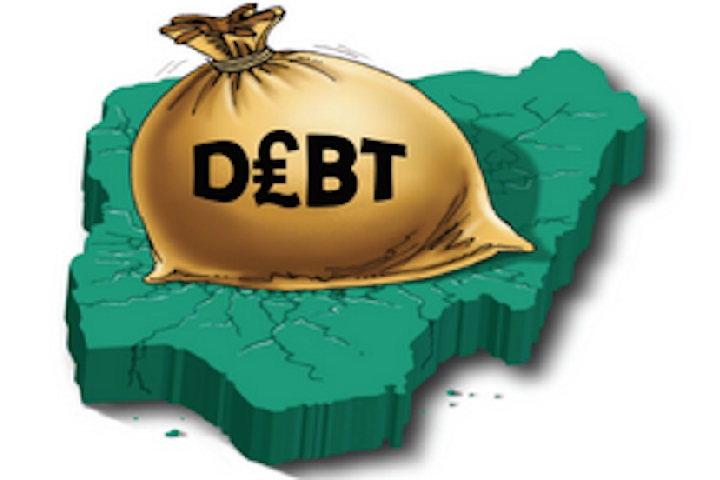
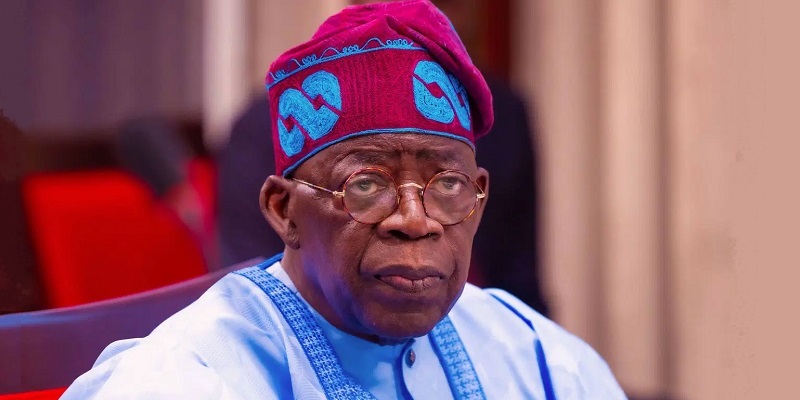
Nigeria is Africa’s largest oil producer, yet its citizens have long suffered from the paradox of poverty amid plenty.
Despite generating billions in oil revenue annually, much of the wealth has been siphoned off through corruption and elite capture.
Public services such as healthcare, education, and infrastructure remain underfunded, and the Niger Delta region—where most oil is extracted—has been plagued by environmental degradation and social unrest.
Key Issues:
- Rampant corruption and mismanagement of oil funds
- Poor infrastructure and public services
- Environmental damage in oil-producing regions
🇻🇪 Venezuela
Once one of Latin America’s richest countries due to its vast oil reserves, Venezuela has descended into economic chaos.
Years of mismanagement, political instability, and overreliance on oil exports have led to hyperinflation, food shortages, and mass migration.
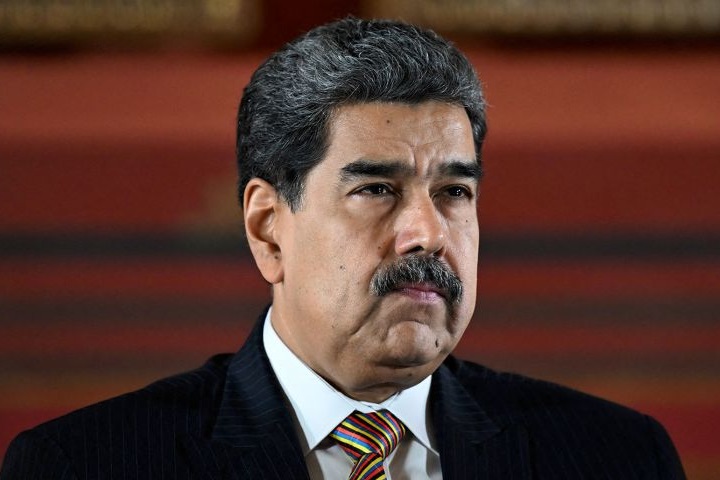
Despite having the world’s largest proven oil reserves, most Venezuelans live in poverty.
Key Issues:
- Economic collapse and hyperinflation
- Political turmoil and authoritarian governance
- Deteriorating living standards
🇬🇶 Equatorial Guinea
Equatorial Guinea has one of the highest per capita oil outputs in Africa, yet the wealth is concentrated in the hands of a small political elite.
The country’s leadership has been accused of using oil revenues to fund lavish lifestyles while neglecting basic services for the population.
Poverty remains widespread, and access to healthcare and education is limited.
Key Issues:
- Extreme inequality and elite enrichment
- Lack of transparency in oil contracts
- Poor access to basic services
🇬🇾 Guyana
Guyana is a newcomer to the oil scene, with recent offshore discoveries catapulting its GDP growth.
However, concerns have emerged over the country’s production-sharing agreements, which heavily favor multinational corporations.
Many citizens feel excluded from the benefits, and there are fears that Guyana may fall into the same “resource curse” trap as other nations.
Key Issues:
- Unequal contracts with foreign oil companies
- Limited reinvestment in public services
- Risk of corruption and environmental harm
🇦🇴 Angola
Angola is one of Africa’s top oil producers, yet decades of civil war and corruption have left the country struggling with poverty and inequality.
While oil revenues have funded some infrastructure projects, much of the wealth has been lost to opaque deals and mismanagement.
The majority of Angolans lack access to clean water, healthcare, and education.
Key Issues:
- Post-conflict corruption and weak institutions
- Poor social indicators despite oil wealth
- Limited economic diversification
🇮🇶 Iraq
Iraq’s oil sector is the backbone of its economy, but years of war, instability, and corruption have prevented the country from fully leveraging its resources.
Public services are inadequate, unemployment is high, and many Iraqis feel disconnected from the wealth generated by oil exports.
Political infighting and insecurity further hinder development.
Key Issues:
- Post-war instability and corruption
- Weak public infrastructure
- High unemployment and poverty
🇸🇸 South Sudan
South Sudan relies heavily on oil for government revenue, yet the country remains one of the poorest in the world.
Civil conflict, corruption, and lack of infrastructure have prevented oil wealth from reaching the population.
Most citizens live without access to clean water, electricity, or healthcare.
Key Issues:
- Civil war and political instability
- Lack of basic infrastructure
- Mismanagement of oil revenues
🇰🇿 Kazakhstan
Kazakhstan has significant oil reserves and has attracted foreign investment, but concerns persist over transparency and equitable distribution of wealth.
While urban centers have seen development, rural areas lag behind.
Corruption and authoritarian governance have limited the trickle-down effect of oil wealth.
Key Issues:
- Uneven development between urban and rural areas
- Corruption and lack of accountability
- Limited civic participation
🇩🇿 Algeria
Algeria’s economy is heavily dependent on oil and gas exports, but youth unemployment and social discontent remain high.
The government has struggled to diversify the economy, and oil revenues have not translated into widespread prosperity.
Political unrest and lack of reform have stymied progress.
Key Issues:
- Economic dependence on oil
- High unemployment and youth disenfranchisement
- Resistance to political reform
🇱🇾 Libya
Libya’s vast oil reserves have long been a source of wealth, but since the fall of Muammar Gaddafi, the country has been mired in conflict.
Rival factions vie for control of oil fields, and revenues are often diverted to fund militias.
Ordinary Libyans face insecurity, poor services, and economic hardship.
Key Issues:
- Ongoing civil conflict
- Fragmented control of oil resources
- Humanitarian crisis
The Resource Curse: A Global Challenge
The “resource curse” refers to the paradox where countries rich in natural resources often experience slower economic growth, weaker governance, and greater inequality.
In oil-producing nations, this curse is frequently driven by:
- Corruption and elite capture
- Lack of transparency in contracts
- Overreliance on oil exports
- Neglect of other economic sectors
- Environmental degradation
To reverse this trend, experts advocate for:
- stronger institutions,
- transparent governance,
- equitable revenue sharing, and,
- investment in human capital.