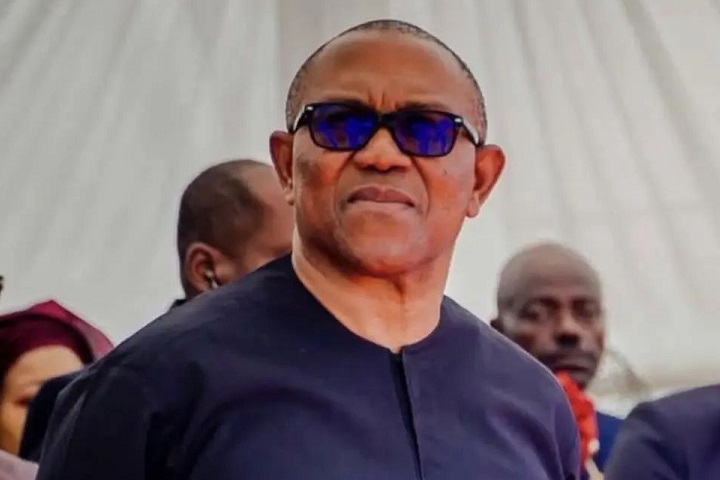
THIS DAWN — In a sharply worded statement that has stirred fresh political controversy, Labour Party presidential candidate in the 2023 elections, Mr. Peter Obi, has lamented the worsening insecurity in Nigeria.

Mr. Obi declared that the nation has become “now disgraced” in the eyes of the world.
Obi’s remarks follow a series of violent incidents—events he says highlight a deepening national crisis.
These include the killing of a senior military officer, Brigadier General Musa Uba, and the abduction of 25 schoolgirls in Kebbi State.
In his strongly phrased commentary, he argued that the country’s deteriorating security situation was being compounded by political instability perceptibly engineered by the current administration.
According to him, the Federal Government should be fostering national unity in a time of escalating danger.
Instead, it is “deliberately orchestrating crises” within opposition political parties such as the PDP, Labour Party, SDP, and others.
The Yar’adua factor
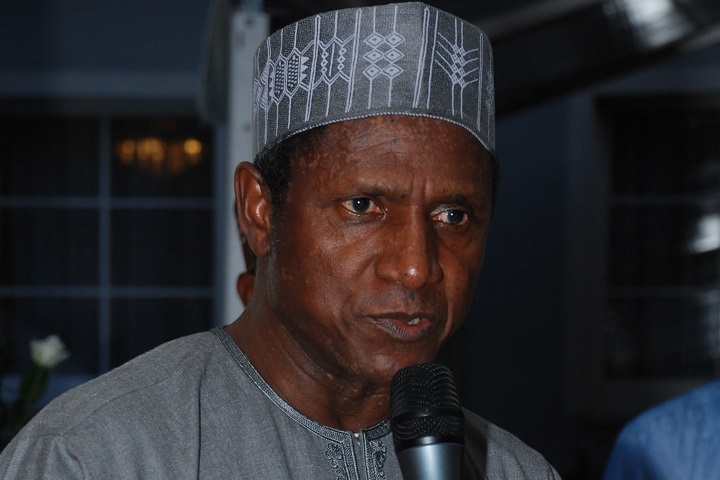
Peter Obi recalled an episode during the late President Umaru Musa Yar’adua’s administration.
He noted that Yar’adua had instructed then-INEC Chairman, Prof. Maurice Iwu, to avoid undermining any political party because the health of all parties was essential for a functional democracy.
Obi contrasted this with what he described as attempts by the current government to fragment opposition voices.
He warned that such actions weaken democratic institutions and distract from urgent national security challenges.
“In democratic nations,” Obi wrote, “opposition is respected, elections reflect the will of the people, and governance involves carrying everyone along for peace and prosperity.”
He concluded with a hopeful refrain: “A New Nigeria is possible.”
Reno Omokri kicks
However, his remarks immediately drew fierce criticism from former presidential aide and political commentator Reno Omokri.
Omokri accused Obi of exploiting national tragedies for political gain.
Responding publicly, he said Obi’s repeated use of the term “now disgraced country” amounted to an affront to Nigeria and its armed forces.
“This is now the second time in a week that you are referring to Nigeria as a ‘now disgraced country’—a country you purportedly want to govern,” Omokri wrote.
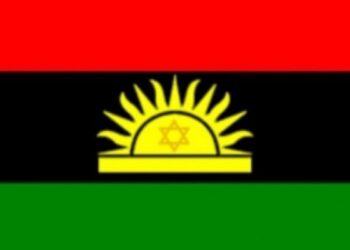
He alleged that Obi’s rhetoric reflects “IPOB loyalties” and revealing a “sickening” anti-Nigerian sentiment.
Omokri further accused Obi of politicizing the deaths of Brigadier General Uba and other security personnel.
He argued that similar incidents in other countries—including the killing of Major General Harold Greene of the US Army in 2014—did not lead to labeling their nations as disgraced.
He said that Nigeria’s armed forces may never fully trust Obi if he continues to “desecrate the memory” of fallen heroes.
As insecurity persists and political tensions heighten, both statements underscore the widening divide in Nigeria’s political landscape.
It reflects not only disagreements on governance but also clashing narratives about patriotism, leadership, and national identity.