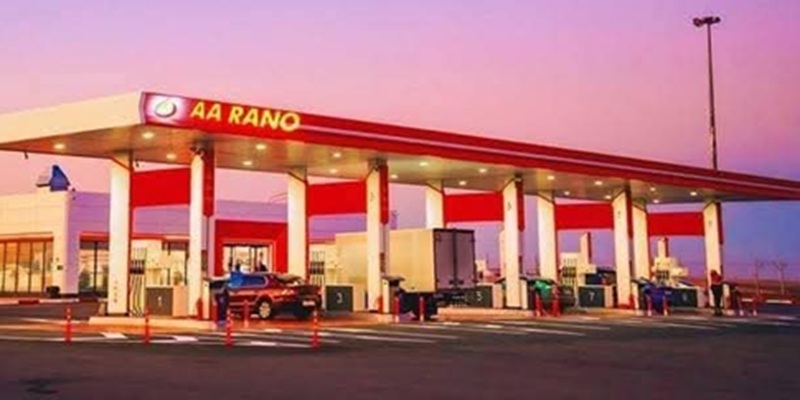
THIS DAWN — Nigeria has entered a new phase in fuel retailing with the launch of its first fully automated, unmanned fuel stations.

A.A. Rano Nigeria Limited, founded by oil magnate Alhaji Auwalu Abdullahi Rano, announced the innovation on January 6, 2026.
The innovation was in partnership with Petrosoft Limited, a homegrown technology company specializing in oil and gas management systems.
The Innovation
The new stations will operate 24/7, offering customers the ability to refuel, make contactless payments, and complete transactions without attendants.
Powered by Petrosoft’s SmartPump technology, the system is designed to reduce losses, improve transparency, and reassure customers that they receive the exact volume of fuel they pay for.
According to A.A. Rano, the first automated stations are expected to begin operations within January 2026, with plans to expand across more than 200 retail outlets nationwide.
Petrosoft CEO Dr. Joshua Denila emphasized that the project demonstrates how locally developed technology can address long-standing inefficiencies in Nigeria’s fuel retail market.
“Our systems are developed locally and built to international standards.
“They are designed to improve efficiency from single stations to large fueling depots,” Denila said.
The partnership underscores the growing role of Nigerian technology firms in driving innovation across critical sectors.
- Transparency: Customers can monitor transactions digitally, reducing disputes over fuel volumes.
- Efficiency: Automated systems streamline operations, cutting down on human error.
- Security: Contactless payments reduce risks associated with cash handling.
- Convenience: 24-hour service ensures uninterrupted access to fuel.
Public Reaction
While the innovation has been praised for modernizing Nigeria’s fuel retail sector, it has also sparked concerns.
Some Nigerians worry about the impact on employment, as attendants at over 200 stations could lose their jobs.
James, a commentator reacting to the announcement, noted:
“That’s unemployment for attendants in over 200 fuel stations nationwide.
“While we embrace technology, we should also evaluate its effect on human capital development and optimum customer service delivery from product dispensing to user safety and inquiry when using the station.”
This sentiment reflects broader debates about automation in Nigeria—balancing efficiency gains with the need to protect livelihoods.
Implications for the Economy
The rollout of unmanned stations could reshape Nigeria’s fuel retail industry.
On one hand, it promises improved accountability and reduced leakages in a sector often plagued by inefficiencies.
On the other, it raises pressing questions about job displacement and the future of customer service in an automated environment.
Experts suggest that while automation is inevitable, stakeholders must explore ways to:
- retrain displaced workers,
- integrate human oversight for safety, and,
- ensure that technology complements rather than replaces human capital.
The launch of Nigeria’s first unmanned fuel stations by A.A. Rano marks a milestone in the country’s energy sector.
With Petrosoft’s SmartPump technology, the initiative promises transparency, efficiency, and convenience.
Yet, the debate over its impact on employment highlights the need for balanced policies that embrace innovation while safeguarding livelihoods.
As the first stations go live this month, Nigerians will be watching closely to see how the technology performs—and how the industry adapts to the challenges and opportunities of automation.