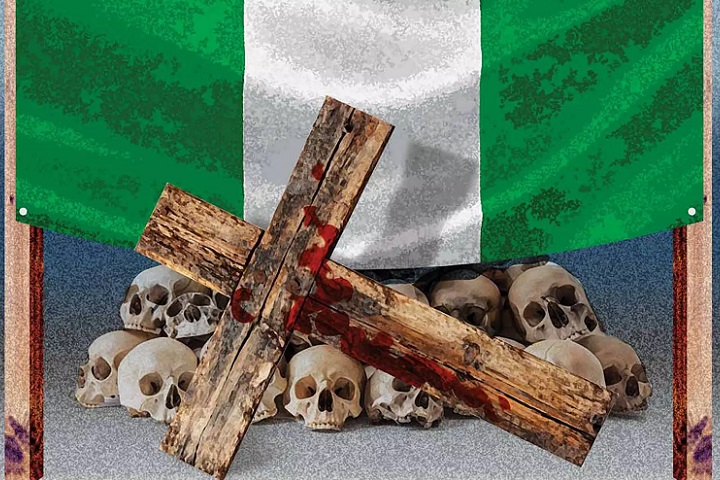
THIS DAWN — In a sobering revelation from the 2025 Open Doors World Watch List, Nigeria has emerged as the most dangerous country in the world for Christians.

The report, highlighted by Fox News and corroborated by other sources, indicates that three out of every four Christians killed for their faith globally were murdered in Nigeria.
This alarming statistic has ignited international concern and intensified scrutiny of Nigeria’s internal security challenges, religious tensions, and government response.
The findings underscore a broader crisis across sub-Saharan Africa, where religious persecution is escalating.
Fourteen of the top 50 countries where Christians face deadly persecution are located in this region, with Nigeria leading the list.
The Scale of the Crisis
According to Open Doors, a global Christian advocacy organization, 3,490 Christians were killed in Nigeria in 2025 alone, out of a total of 4,849 worldwide.
These deaths are not random acts of violence but are increasingly seen as targeted attacks based on religious identity.
The majority of these killings occurred in Nigeria’s Middle Belt and northern regions, areas long plagued by ethno-religious conflict, insurgency, and banditry.
The report also notes that one in five Christians in Africa face high levels of persecution, compared to one in seven globally.
This disparity highlights the unique vulnerability of African Christians, particularly in Nigeria, where religious violence intersects with political instability, economic hardship, and weak law enforcement.
International Reactions and Genocide Concerns
The gravity of the situation has prompted strong reactions from international observers.
U.S. Congressman John James stated that 72% of Christians killed globally were murdered in Nigeria, describing the violence as “targeted, systematic persecution”.
He called on the United States and the global community to take decisive action, warning that the world must not look away from what he termed a “Christian genocide.”
Some Nigerian officials have pushed back against the genocide label, arguing that violence affects all religious groups.
However, the concentration of Christian deaths and the religious motivations behind many attacks have been documented.
It fueled growing consensus among human rights advocates that the crisis is more than just generalized insecurity.
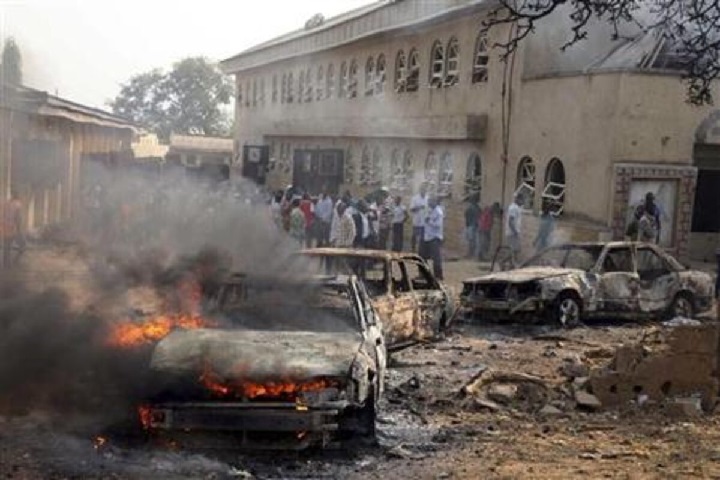
Drivers of Persecution
Several factors contribute to Nigeria’s status as the epicenter of Christian persecution:
- Islamist Extremism: Groups like Boko Haram and Islamic State West Africa Province (ISWAP) continue to target Christian communities, churches, and clergy.
- Ethnic and Communal Violence: In the Middle Belt, clashes between predominantly Muslim Fulani herders and Christian farming communities often take on religious dimensions.
- Government Inaction: Critics argue that the Nigerian government has failed to adequately protect vulnerable populations or prosecute perpetrators.
- Socioeconomic Instability: Poverty, unemployment, and lack of education fuel radicalization and communal tensions.
These dynamics create a volatile environment where Christians are disproportionately targeted, and perpetrators often act with impunity.
The Human Toll
Behind the statistics are countless stories of suffering. Families torn apart, churches burned, communities displaced.
Survivors recount harrowing experiences of abduction, torture, and loss.
The psychological impact on Christian communities is profound, with many living in constant fear and uncertainty.
Church leaders have become vocal advocates, calling for international solidarity and urging the Nigerian government to prioritize religious freedom and security.
Human rights organizations have documented patterns of violence that suggest intentional targeting of Christians.
These include attacks timed around religious holidays and assaults on places of worship.
Government Response and Challenges
The Nigerian government has consistently denied allegations of religious bias in its security operations.
Officials argue that the violence is driven by complex factors, including criminality, ethnic tensions, and economic grievances.
However, critics contend that the lack of accountability and transparency in investigations has eroded public trust.
Efforts to reform the security sector, improve intelligence gathering, and foster interfaith dialogue have been slow and uneven.
Meanwhile, Christian communities continue to bear the brunt of the violence, with limited recourse to justice or protection.
Nigeria’s crisis has implications beyond its borders.
As Africa’s most populous nation and largest economy, instability in Nigeria affects regional security, migration patterns, and global religious freedom metrics.
The rise in persecution also challenges international frameworks for human rights and religious liberty.
Organizations like Open Doors and the U.S. Commission on International Religious Freedom (USCIRF) have called for action.
They demanded targeted sanctions, increased humanitarian aid, and diplomatic pressure to address the crisis.
Faith-based groups are mobilizing resources to support displaced Christians and advocate for policy change.
Path Forward
Addressing Nigeria’s Christian persecution crisis requires a multifaceted approach:
- Strengthening Security: Deploying well-trained forces to vulnerable regions and improving community policing.
- Legal Accountability: Prosecuting perpetrators and dismantling extremist networks.
- Interfaith Engagement: Promoting dialogue between religious leaders to reduce tensions.
- International Support: Leveraging global partnerships for humanitarian aid and policy reform.
- Grassroots Empowerment: Supporting local initiatives that foster resilience and reconciliation.
The road ahead is challenging, but the stakes are too high for inaction.
Nigeria must confront the reality of religious persecution and commit to protecting all its citizens, regardless of faith.
The 2025 Open Doors report paints a grim picture of Christian persecution in Nigeria, with the country accounting for the vast majority of faith-based killings worldwide.
As the epicenter of this crisis, Nigeria faces mounting pressure to act decisively.
The international community, religious leaders, and civil society must work together to ensure that the rights and lives of Christians—and all Nigerians—are safeguarded.