
TDThe Nigerian Bar Association (NBA) has issued a strongly worded statement decrying what it describes as an alarming pattern of judicial overreach.

NBA made the remarks following reports that two judges in separate courts ordered the detention of lawyers under questionable contempt proceedings.
The incidents, which occurred in Rivers State and Abuja, have sparked outrage within the legal community.
It prompted the NBA to demand immediate corrective action, including the release of the affected counsel and disciplinary measures against the judges involved.
Shock Over Rivers State High Court Incident
The first case arose from proceedings in Suit No. PHC/301/2016, Mr. Bodiseowei Zidougha v. The Chief of Naval Staff & 2 Ors, before the High Court of Rivers State presided over by Hon. Justice Chinwendu Nwogu.
According to reports, Justice Nwogu convicted and ordered the detention of Mrs. Lovinah Ugbana Benjamin.
Mrs. Benjamin was the counsel to the defendants (the Chief of Naval Staff and the Nigerian Navy), immediately after delivering judgment in the matter.
The judge accused her of contempt of court, alleging that her written address contained false statements and imputations against the court.
The NBA described the detention as “unlawful and high-handed”.
It stressed that the judge’s action appeared aimed at bolstering his personal authority rather than protecting the dignity of the court.
Federal High Court Abuja Case
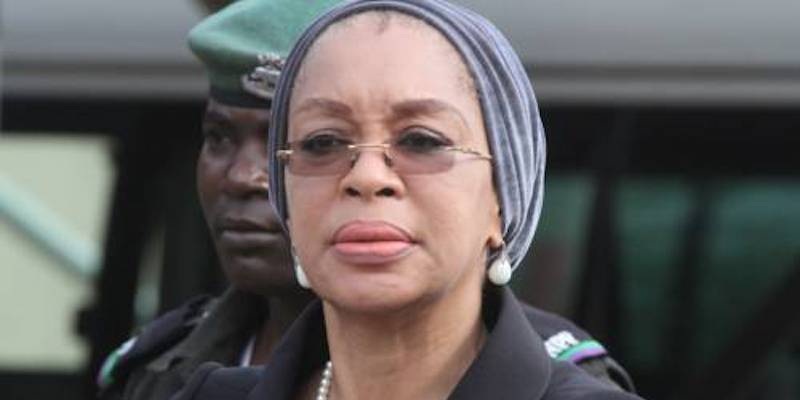
The second incident involved Honourable Justice Rita Ofili-Ajumogobia of the Federal High Court, Abuja.
On March 25, 2026, she reportedly ordered the detention of Mr. Martin Anyanwu, a legal officer with the Federal Medical Center, Keffi, in the court’s holding facility.
This case was coupled with other recent reports of lawyers being subjected to degrading treatment in courtrooms.
They include being asked to kneel or face the wall under threat of contempt—has heightened concerns about judicial intimidation.
NBA’s Position: Contempt Powers Are Being Abused
In its statement, the NBA emphasized that contempt powers exist to protect the administration of justice, not to silence lawyers or punish them for advocacy.
The association declared:
“A judge’s invocation of his power to punish for contempt of his court is an unwarranted exhibition of naked judicial power which puts counsel and their clients in fear of the court and erodes an important safeguard of fair trial”
The NBA reminded judges that not every act of discourtesy or criticism amounts to contempt.
Strongly worded submissions, if made in good faith, fall within the constitutional right of counsel to present their case.
Quoting the late Justice Chukwudifu Oputa, the NBA noted:
“The test whether or not a judge takes himself too seriously or thinks too much of himself is in his attitude towards contempt of his court.”
Calls for Immediate Action
The NBA outlined a series of demands aimed at restoring confidence in the judiciary:
- Immediate release of Mrs. Lovinah Benjamin and Mr. Martin Anyanwu.
- Investigation by the Chief Judge of Rivers State into the circumstances of Justice Nwogu’s order.
- Disciplinary measures by the National Judicial Council (NJC) where necessary.
- Condemnation and setting aside of the remand order against Mrs. Benjamin.
- Boycott of Justice Nwogu’s court by NBA branches in Port Harcourt and environs for seven days if Mrs. Benjamin is not released within 24 hours.
The NBA Human Rights Institute has been directed to monitor developments and liaise with relevant authorities.
The Institute must also ensure the protection of the affected lawyers’ fundamental rights.
Broader Implications for the Legal Profession
Legal analysts warn that these incidents, if unchecked, could erode the delicate balance between the Bench and the Bar.
The courtroom, they argue, must remain a forum of law and reason, not intimidation and fear.
The NBA stressed that when judges use contempt powers to assuage personal grievances, they undermine the very foundation of justice.
The association urged that complaints against lawyers be referred to the Legal Practitioners Disciplinary Committee (LPDC.
LPDC is considered the proper body to investigate and sanction misconduct.
“The contempt jurisdiction exists to protect the court, not to silence counsel or penalise advocacy undertaken in the discharge of professional duty,” the NBA stated.
Reinforcing Judicial Temperament
Beyond the immediate cases, the NBA pledged to engage the NJC and the National Judicial Institute to address what it described as an “emerging pattern of judicial overreach.”
The association said it would work to reinforce standards of judicial temperament and strengthen institutional relationships between judges and lawyers.
The controversy highlights a growing tension within Nigeria’s justice system: the balance between judicial authority and lawyers’ right to fearless advocacy.
The NBA currently mobilizes to defend its members.
It noted that the incidents in Rivers State and Abuja serve as a stark reminder that the courtroom must remain a temple of justice, not a theatre of fear.
The coming days will reveal whether the judiciary responds to the NBA’s demands and whether these cases mark a turning point in curbing judicial excesses.
For now, the legal profession watches closely, united in its insistence that respect, fairness, and the rule of law must prevail.