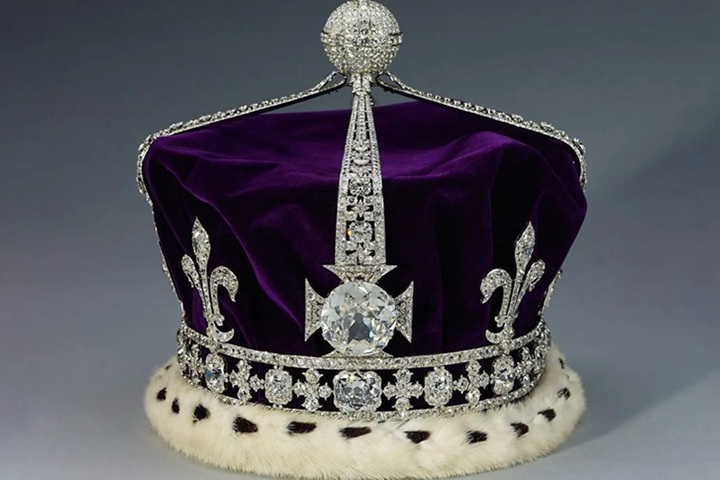
THIS DAWN — In the hushed, secure gloom of the Jewel House at the Tower of London, behind inches of bulletproof glass, rests a diamond that empires fought for and nations still mourn.

The Koh-I-Noor, or “Koh-i-Noor” is more than a 105.6-carat gemstone—it is one of the world’s most enduring and contested symbols of colonial conquest.
Its journey from the mines of Golconda in India to the crown of the British monarch is a saga of power, loss, and a legacy that refuses to fade.
A Diamond Forged in Empire
Believed to have been mined centuries ago in southern India, the Koh-I-Noor passed through the treasuries of Mughal emperors, Persian shahs, and Afghan rulers before coming into the possession of Maharaja Ranjit Singh, the lion of the Sikh Empire in Punjab.
Its fate, however, was sealed not on the battlefield between Indian kingdoms, but by the expanding force of the British East India Company.
Following Ranjit Singh’s death and the subsequent Anglo-Sikh Wars, the British annexed Punjab in 1849.
The diamond was formally—and controversially—surrendered as part of the Treaty of Lahore.
Presented to Queen Victoria in 1850, it was soon recut to suit European tastes, shedding nearly a third of its weight but gaining the brilliant facets that catch the light for tourists today.
The “Priceless” Jewel with a Staggering Shadow Value
What is the Koh-I-Noor worth? Financially, it is beyond valuation. As a historic crown jewel, it will never be sold.
Yet, if forced to assign a figure, experts speculate a staggering $200 million to over $1 billion, factoring in its size, D-color clarity, and, above all, its unparalleled historical narrative.
But its true cost is not measured in carats or currency.
For many in India, Pakistan, Iran, and Afghanistan—all of whom have laid claim to it—the diamond’s value is measured in cultural memory and national pride.
It is a glittering ghost of a pre-colonial past, a physical reminder of what was taken.
A Crown of Controversy
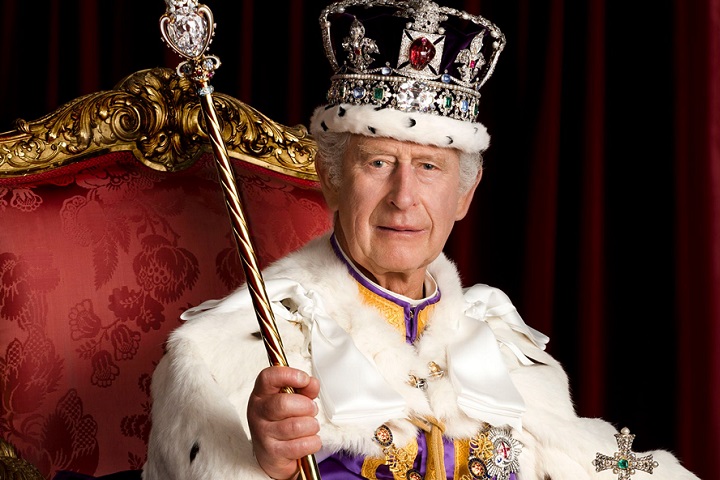
Set today in the Crown of Queen Elizabeth the Queen Mother, the Koh-I-Noor is worn only by female consorts, adhering to a superstition that it brings misfortune to male rulers.
Perhaps the greater curse, however, is its unresolved ownership.
The British government maintains it was acquired legally under the terms of the 19th-century treaty.
But in the eyes of the colonized, a treaty signed under the duress of military defeat is not a free transfer—it is plunder, formalized.
The diamond has become a focal point in the global debate over repatriating cultural artifacts, a test case for how former empires reckon with the treasures in their museums and vaults.
More Than a Gem: A Legacy of Loss
Every year, millions of visitors peer at the Koh-I-Noor in London.
The placard mentions its Indian origin and its journey to Britain but seldom dwells on the resentment it still fuels.
In India, the diamond lives on in textbooks, political discourse, and popular culture as the ultimate symbol of colonial extraction—a “Mountain of Light” that casts a very long shadow.
Its return is a persistent diplomatic request, consistently declined. To give it back, some argue, would be to unravel the thread of history.
To keep it, others counter, is to perpetuate a historical injustice.
The Light It Casts
The Koh-I-Noor’s brilliance is undeniable, but the light it reflects is dual: one beam illuminates British imperial grandeur, the other highlights a wound that has yet to heal.
It remains a priceless jewel with an incalculable moral price tag—a mountain, yes, but one made of history, conflict, and the unresolved echoes of empire.
As long as it rests in the Tower, it will not just be a gem to admire, but a question to answer: When does a trophy become a trust? And who does history belong to?
This article is based on historical records, gemological analysis, and ongoing cultural and political discourse surrounding the Koh-I-Noor diamond.