TD When the Federal High Court in Abuja ordered the final forfeiture of 48 out of 57 properties worth a staggering ₦212 billion linked to former Attorney-General of the Federation, Abubakar Malami, it was not just another corruption headline.

It was a chilling reminder of the scale of plunder that has become normalized in Nigeria’s political landscape.
Judge Joyce Abdulmalik’s ruling, dismissing objections from Malami and his associates, laid bare the truth: the question is not ownership, but legitimacy of the funds used to acquire these assets.
And legitimacy, in this case, is absent.
This is not merely about one man.
It is about a system that enables individuals entrusted with the nation’s laws to turn into predators of the commonwealth.
Malami’s case is a grotesque symbol of how greed has metastasized into the marrow of Nigeria’s political elite.
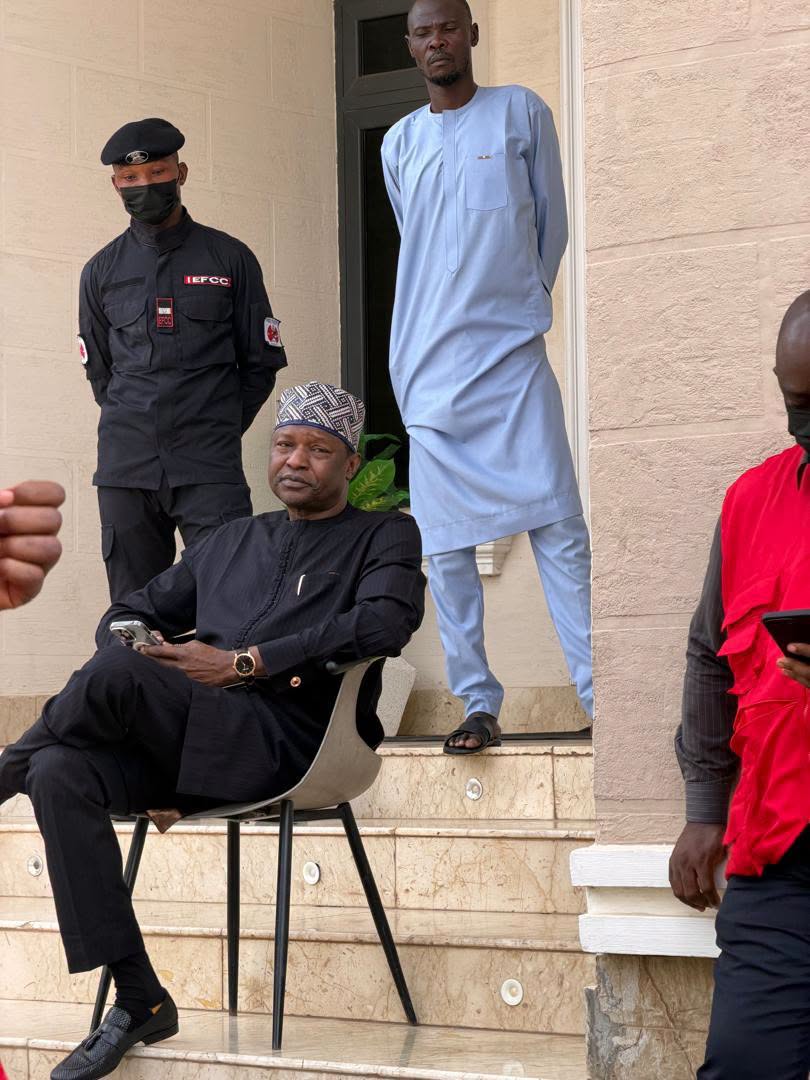
A Catalogue of Excess
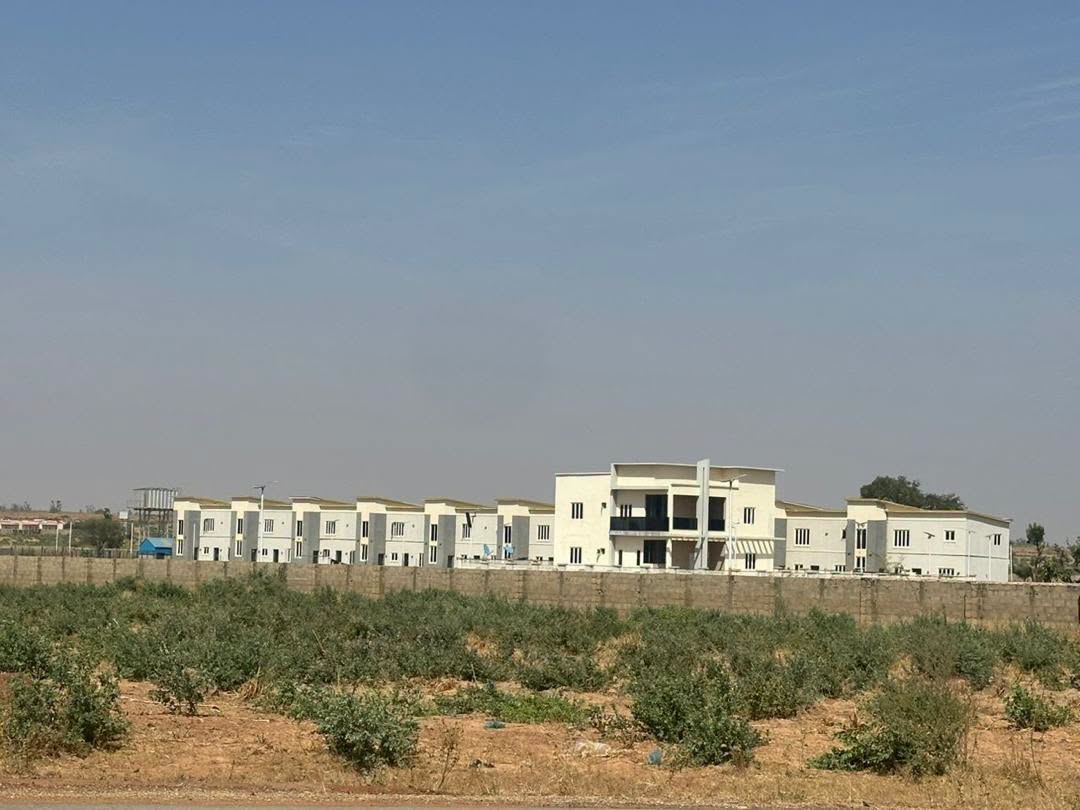
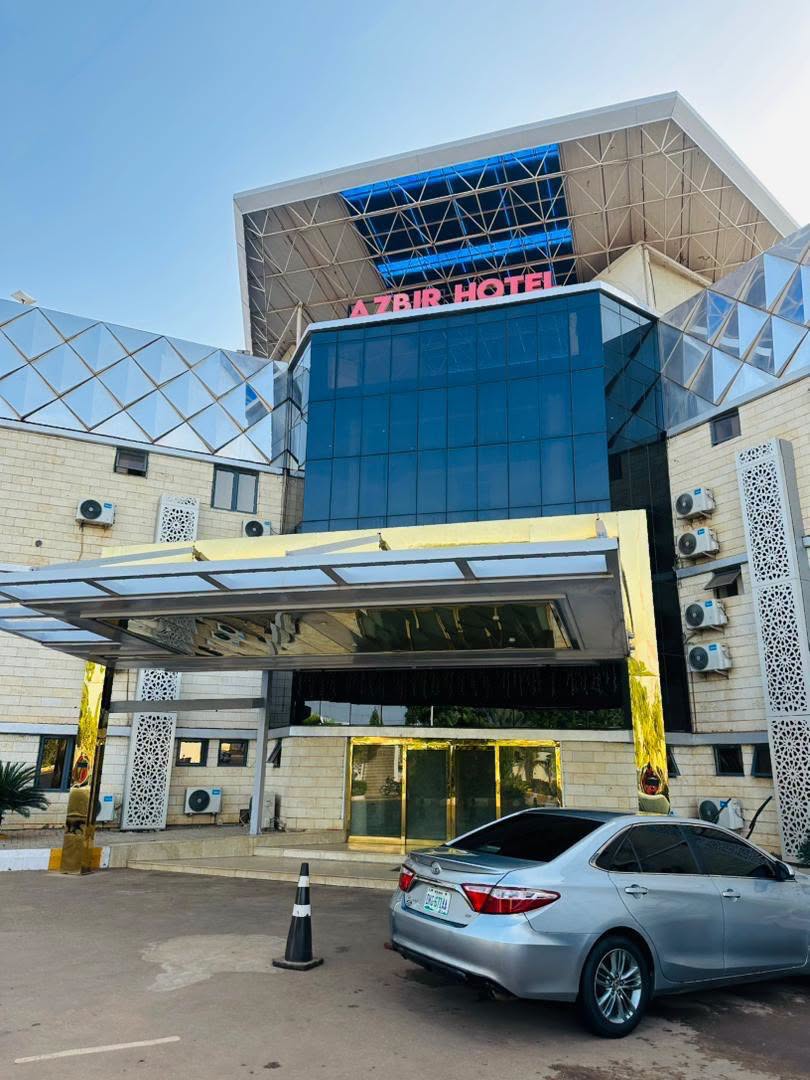
The properties span Abuja, Kebbi, Kano, and Kaduna, covering luxury hotels, duplexes, plazas, warehouses, shopping complexes, and even entire universities.
The figures are obscene:
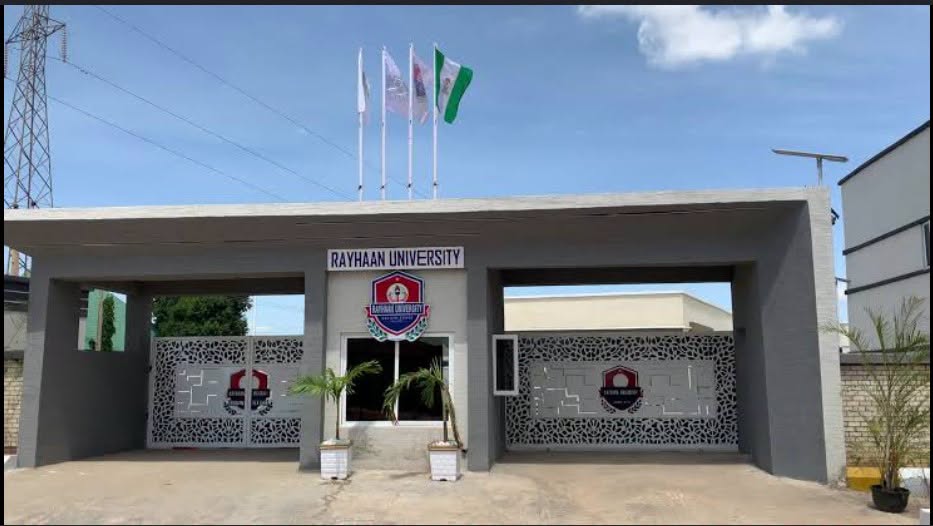
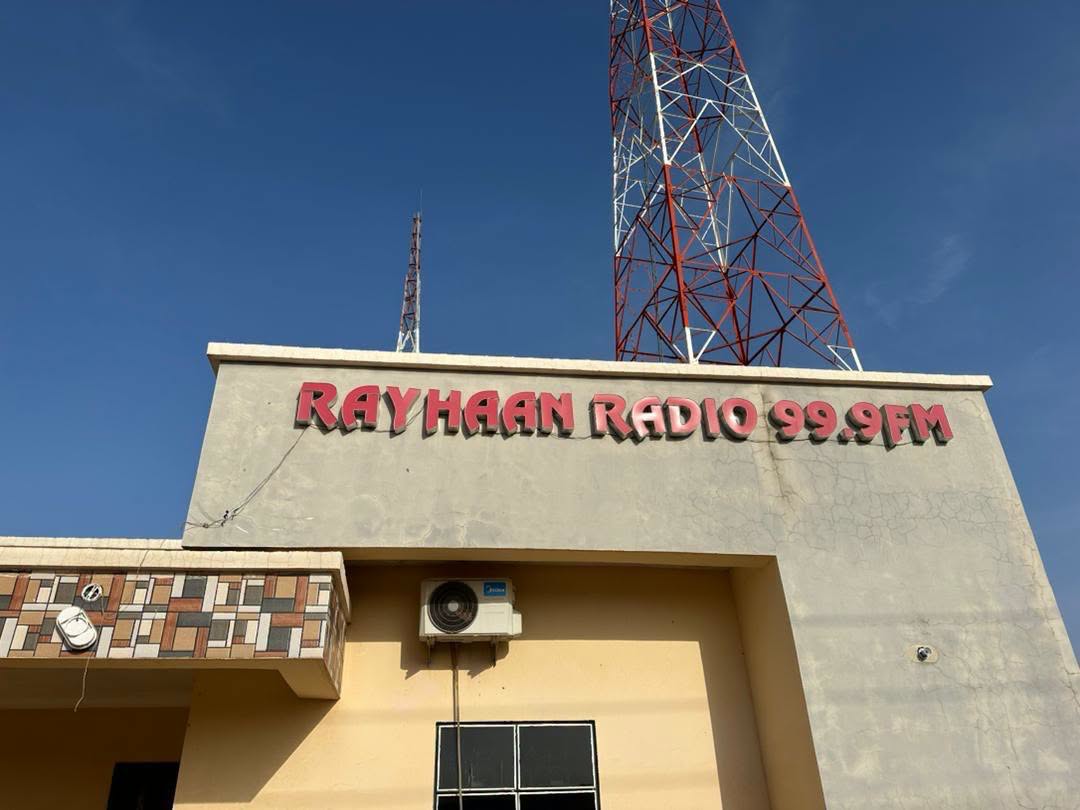
- Rayhaan University Permanent Site in Kebbi State valued at ₦56 billion.
- Meethaq Hotels in Jabi, Abuja, purchased for less than ₦1 billion but now valued at ₦8.4 billion.
- Zeennoor Hotel in Kano with 131 rooms, worth ₦11.2 billion.
- Multiple mansions in Maitama and Asokoro, Abuja, each running into billions after “enhancements.”
This is not investment; it is pillage. It is the conversion of public trust into private empires.
It is the brazen theft of futures — of schools that could have been built, hospitals that could have been equipped, roads that could have been paved.
The Irony of Justice Betrayed
Malami was no ordinary politician.
He was Nigeria’s Attorney-General, the chief law officer of the federation.
His duty was to uphold justice, defend the constitution, and protect the treasury from predators. Instead, he allegedly became the predator-in-chief.
The irony is nauseating: the man who should have prosecuted corruption became its embodiment.
Judge Abdulmalik’s words cut to the heart of the matter: “The issue before the court is not who owns the property, but how legitimate are the funds used to acquire the properties.”
That statement is a damning indictment of a political class that hides behind technicalities, shell companies, and family fronts to mask their looting.
The Monument of Greed
What Malami amassed is not wealth; it is a monument to greed. Each duplex, each hotel, each university site is a brick in the edifice of betrayal.
It is betrayal of the farmer in Kebbi whose land lies fallow because there are no irrigation projects.
Betrayal of the student in Kano whose classroom roof leaks because funds were diverted.
Betrayal of the patient in Kaduna who dies in a hospital without electricity while billions are sunk into luxury hotels.
The figures are not just numbers. They are lives stolen, opportunities strangled, futures mortgaged.
When one man can corner ₦212 billion in assets, what hope remains for the millions living on less than ₦1,000 a day?
A System That Rewards Looters
Malami’s case is not isolated. It is symptomatic of a political system that rewards looters with power, prestige, and protection.
The brazenness is fueled by impunity.
For decades, Nigeria’s leaders have looted with abandon, knowing that accountability is rare and punishment rarer still.
Even when cases reach the courts, they are dragged for years, diluted by technicalities, or settled quietly.
That is why this ruling is significant. It is a rare moment when the system bites back.
But let us not be deceived: forfeiture is not justice. Forfeiture is recovery.
Justice would be prosecution, conviction, and imprisonment. Justice would be deterrence.
Justice would be a system where no Attorney-General dares to loot because the consequences are certain and severe.
The Human Cost of Looting
Every naira stolen translates into human suffering. The ₦212 billion tied to Malami could have transformed Nigeria’s healthcare system.
It could have built thousands of schools, equipped universities, and provided clean water to millions.
Instead, it built mansions, hotels, and plazas for one man and his cronies.
This is why Nigerians are angry. This is why the cry resonates: “It will never be well with our corrupt leaders.”
Because corruption is not victimless. It kills.
It kills through poverty, through hunger, through disease, through insecurity.
It kills dreams, kills hope, kills the very soul of a nation.
Editorial Call to Action
Malami’s case must not end with forfeiture. It must be a turning point. Nigerians must demand:
- Prosecution and Conviction — Forfeiture is not enough. Looters must face jail time.
- Systemic Reform — Anti-corruption agencies must be insulated from political interference.
- Transparency in Governance — Asset declarations must be public, verifiable, and enforced.
- Citizen Vigilance — Nigerians must refuse to normalize corruption. Silence is complicity.
The judiciary has shown courage in this ruling. The EFCC has shown persistence.
Now the political class must show will — or be forced to by the people.
Conclusion: A Nation at Crossroads
Abubakar Malami’s empire of greed is a mirror held up to Nigeria. It reflects the rot, the betrayal, the impunity. But it also offers a chance for reckoning.
If Nigeria can confront this case with seriousness, it can begin to dismantle the culture of looting that has crippled its progress.
The editorial stance is clear: corruption is treason. Those who loot the treasury are enemies of the people.
Malami’s case is not just about one man; it is about a system that must be broken.
The time for half-measures is over. The time for justice is now.
This is just what one man looted. Imagine the scale across the political class.
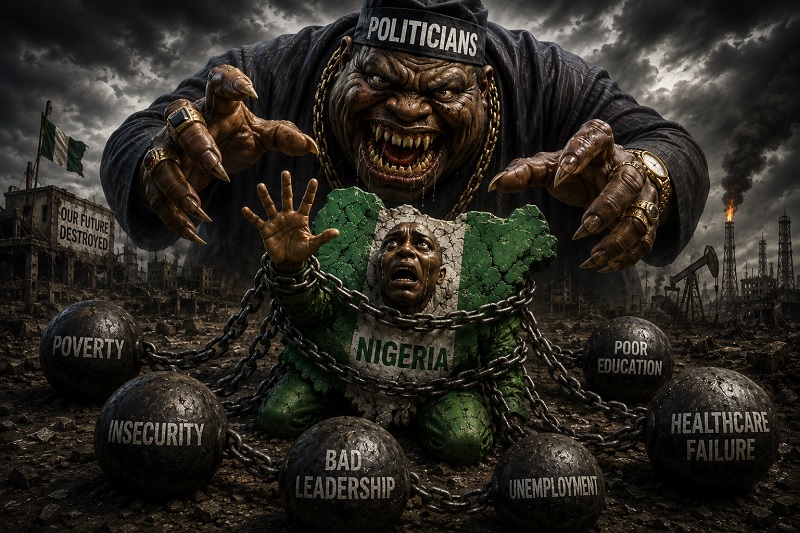
Nigeria bleeds, not because it lacks resources, but because it is governed by predators.
Until the predators are caged, the nation will remain in chains.
For full list of the properties, see below: