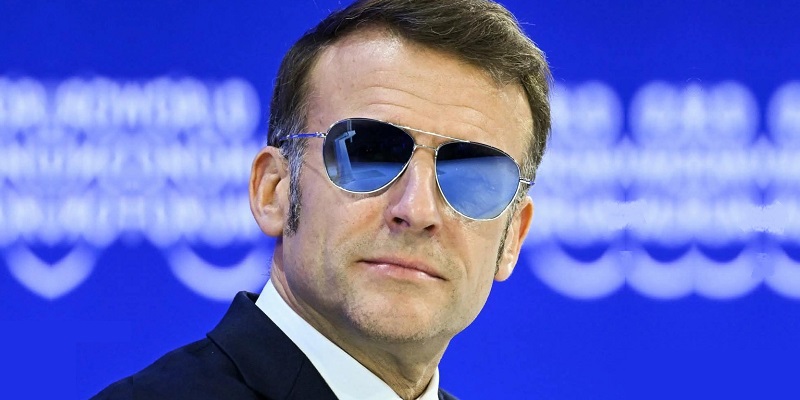

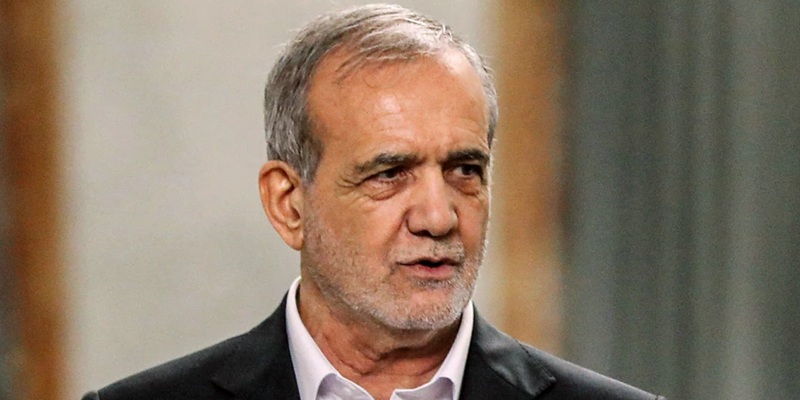
French President Emmanuel Macron revealed that he had spoken directly with Iranian President Massoud Pezeshkian, demanding an immediate halt to Iran’s “unacceptable attacks” across the Middle East.
Macron stressed that France’s military posture is strictly defensive, designed to protect its own interests, safeguard regional partners, and uphold freedom of navigation.
He warned that the unchecked escalation is “plunging the entire region into chaos,” with consequences that will reverberate for years.
Macron underscored that the Iranian people themselves are paying the price for their government’s actions.
He called for a new political and security framework.
The framework, he said, must ensure the following:
- Ensure Iran never acquires nuclear weapons,
- Address the threats posed by its ballistic missile program, and,
- Curb destabilizing activities both regionally and internationally.
Strait of Hormuz at Stake
The French leader emphasized the urgency of restoring freedom of navigation in the Strait of Hormuz, one of the world’s most critical maritime chokepoints.
Disruptions in this narrow passage threaten global energy supplies and international trade, amplifying the stakes of the current crisis.
Plea for French Citizens
Macron also renewed his appeal for the safe return of Cécile Kohler and Jacques Paris, French nationals detained in Iran since May 2022.
“Their ordeal has gone on for far too long, and they belong with their loved ones,” he declared.
He made their release a personal priority in his diplomatic outreach.
Who Are Cécile Kohler and Jacques Paris?
- Cécile Kohler: Born in Colmar, France, Kohler is a literature teacher and union activist.
She was arrested in Tehran in May 2022 while traveling with her partner.
Iranian authorities accused her of espionage, a charge widely dismissed as politically motivated.
- Jacques Paris: Kohler’s partner, also detained during the same trip.
While less is publicly known about his professional background, he faced identical accusations.
- Detention: Both were held in Tehran’s notorious Evin Prison, enduring harsh conditions including solitary confinement.
Their imprisonment lasted more than three years.
- Release: In November 2025, they were freed after 1,277 days in custody.
However, they remain under French diplomatic protection in Tehran, awaiting full repatriation to France.
The Bigger Picture
Their case highlights the dangers foreign nationals face in Iran, where arbitrary detentions are often used as bargaining chips in international negotiations.
France has repeatedly warned its citizens against unnecessary travel to Iran, citing the risk of being caught in geopolitical disputes.
Macron was, thereby, pressing Iran to de-escalate militarily while demanding the release of Kohler and Paris.
The dual message illustrates the intertwined nature of regional security and human rights.
For Paris, the safe return of its citizens is not only a humanitarian imperative but also a test of diplomatic leverage in one of the world’s most volatile regions.