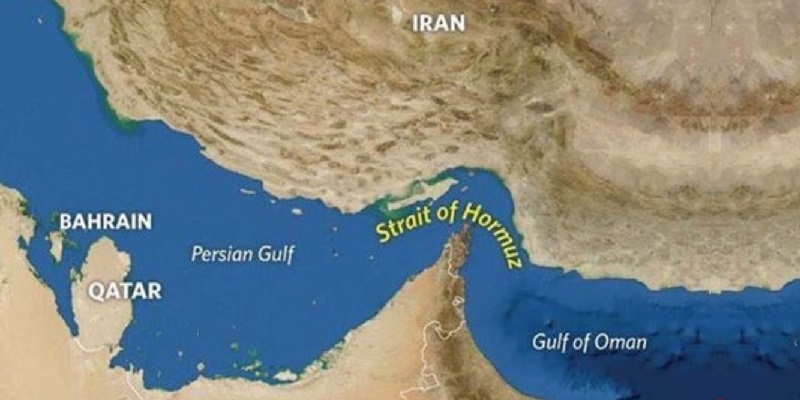
TDThe Strait of Hormuz, the world’s most critical oil chokepoint, has seen its daily vessel traffic plummet by over 80% in recent days—not due to Iranian naval blockade or missile strikes sealing the waterway, but because global marine insurance providers withdrew war-risk coverage, effectively halting commercial shipping through a financial mechanism rather than military force.

In the wake of escalating conflict involving U.S. and Israeli strikes on Iran beginning late February 2026, major Protection and Indemnity (P&I) clubs—including Gard, Skuld, NorthStandard, the London P&I Club, and the American Club—issued 72-hour notices of cancellation for war-risk extensions on March 1, with effects taking hold from March 5. These clubs, which cover about 90% of the world’s oceangoing tonnage and rely heavily on London-based reinsurance markets, pulled back amid surging risks from attacks on vessels, threats from Iran’s Revolutionary Guards, and regional instability.
Without this essential insurance—protecting against third-party liabilities from war, terrorism, or piracy—shipowners refuse to risk multi-hundred-million-dollar tankers on transit. A $150 million vessel simply won’t sail uninsured, turning risk models and spreadsheets into the de facto gatekeepers of global energy flows.
Shipping data confirms the dramatic impact. Normal daily transits through the strait average around 100–140 vessels (including tankers, cargo ships, and others), carrying roughly 20 million barrels of oil per day—about one-fifth of global consumption. In the days following the insurance withdrawals, traffic collapsed: reports from sources like MarineTraffic, Lloyd’s List Intelligence, and Vortexa showed transits dropping to single digits or near zero in some 24-hour periods. For instance, only a handful of vessels crossed in early March—far below the pre-crisis norm—with many of the limited passages involving high-risk or shadowed operations. Hundreds of ships, including oil and LNG tankers, remain anchored or diverted outside the strait, stranding cargoes and disrupting supply chains.
The irony is sharp for key players. Iran, whose oil exports almost entirely depend on the strait, faces self-inflicted revenue losses as its own “oil weapon” backfires first. China, the world’s largest oil importer, relies on the route for roughly 40% of its crude and most Iranian supplies, plus Qatari LNG shipments—prompting Beijing to call for rapid de-escalation to safeguard its energy security. Gulf producers including Saudi Arabia, the UAE, Qatar, Kuwait, and Iraq see their combined exports choked with no viable alternatives, threatening global oil markets.
Short-term beneficiaries may include Russia, as higher oil prices from disrupted Gulf flows make its crude more attractive to Asian buyers. India, importing about 85% of its oil (much from the Middle East), faces rising costs and inflation pressures despite diversification into Russian and other sources.
The U.S. has responded aggressively: The Trump administration announced a $20 billion reinsurance facility through the International Development Finance Corporation (DFC) to backstop coverage, alongside potential Navy escorts for tankers. Yet as of March 9, 2026, traffic remains severely curtailed, with premiums for any reinstated war-risk cover soaring and uncertainty lingering over whether government intervention can quickly restore confidence.
This episode underscores a shifting reality in modern geopolitics: While missiles and militaries dominate headlines, the true controllers of trade can be actuaries in London boardrooms pricing probabilities. When the numbers signal unacceptable risk, global energy arteries can freeze without a single shot fired in anger at the chokepoint itself. As one analyst put it, the strait wasn’t blocked by a navy—it was blocked by a spreadsheet.