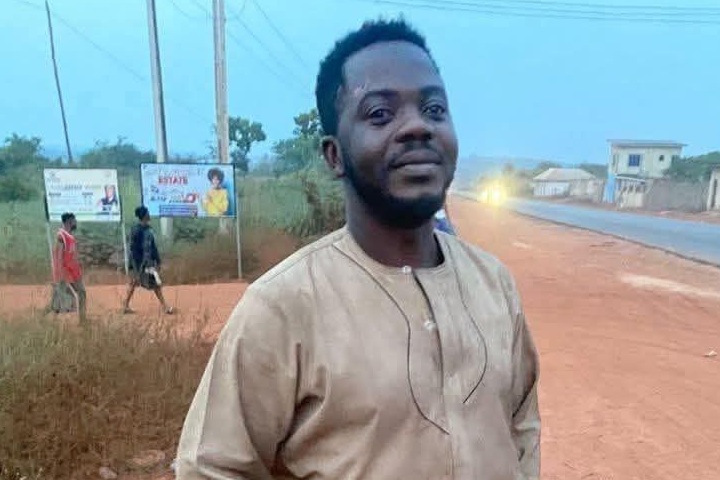
THIS DAWN — A man who survived a violent abduction along the Ugwogo Nike–Opi Nsukka Road, identified only as Peter, has narrated a chilling, four-day ordeal in the hands of armed kidnappers.

His ordeal offered one of the most detailed firsthand accounts yet of the persistent insecurity plaguing the strategic Enugu corridor.
His testimony, shared after his release, has triggered renewed public outrage and questions over why security agencies have failed to secure a stretch of road repeatedly linked to deadly ambushes.
The survivor said he was kidnapped at about 5:00 p.m. on 29 November 2025, barely 100 meters from the last police checkpoint before Ugwogo Roundabout.
According to him, the attack unfolded within seconds.
“We were having a smooth journey when I suddenly heard heavy gunshots in front and at the back.
“Vehicles ahead of me crashed into each other,” he said.
He and his colleague jumped out of their vehicle and ran toward a Scripture Union facility nearby, but armed men emerged from the bush.
“One shouted ‘heey!’ with a gun pointed at me. I resigned to fate,” he recalled.
He was dragged into the bush, marking the beginning of what he described as a “four-day nomadic lifestyle.”
He reported that the kidnappers—eleven in number—were heavily armed, spoke multiple languages, and operated with military-style coordination.
Their alleged commander “spoke good English, pidgin, Fulani and Igbo,” he said.
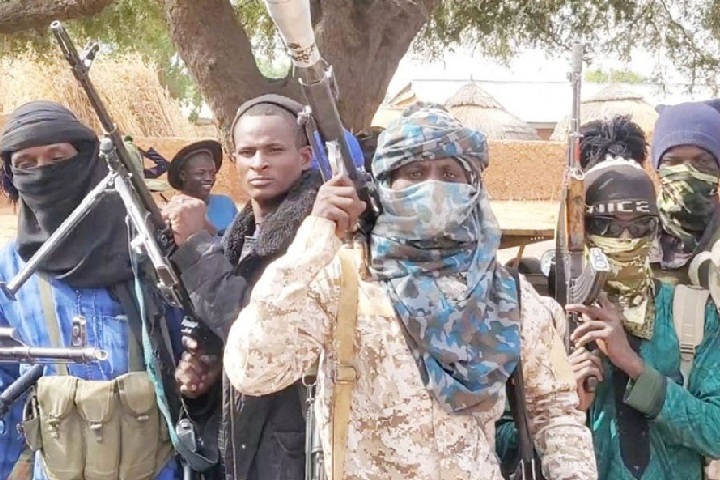
A Regimented Daily Routine
Peter described a strict movement pattern by the kidnappers designed to evade security surveillance.
The kidnap gang allegedly broke camp at 5:30 a.m. each morning, moving victims before farmers arrived at surrounding fields.
At 8:00 p.m., they relocated again to avoid detection near locations where ransom-related calls were made earlier in the day.
Victims were fed only once daily—rice with palm oil, bush-harvested yam, or garri.
During his captivity, Peter witnessed two additional attacks.
One operation was allegedly executed after the gang monitored vehicle movements from a hilltop around Agu Opi.
“Eight of them left at 3 p.m. At 5 p.m. gunshots were heard, and by nightfall new victims were brought in,” he recounted.
Kidnapping Pattern and Survival Tips
Peter warned that the most dangerous travel periods on the road were early morning and late afternoon.
He noted that kidnappers positioned themselves at both ends of targeted road segments to trap vehicles.
According to him, victims fleeing into the bush on the right side (when traveling from Nsukka toward Enugu) were more likely to be captured because the kidnappers staged themselves there.
Those who fled leftward often escaped.
Peter also offered troubling insights into ransom negotiations.
He advised families to “remove victims from WhatsApp groups” to reduce exposure and warned negotiators to remain calm and pleading.
“If you sound mean, your person bears the brunt. They beat their victims,” he said.
Gratitude and Renewed Public Anger
Upon regaining freedom, Peter credited his kidnap survival to prayers, community support, and coordinated fundraising.
“You took it personal and ensured my release… The gratitude of my heart is forever yours,” he wrote.
However, his detailed testimony has sparked fresh criticism of the Enugu State Government’s response to rural insecurity.
Many residents have questioned why recently showcased surveillance drones and park ranger units have not been deployed to the exact bush corridors repeatedly identified by kidnap victims.
“Can the government not send the drones it exhibited recently, and the park rangers we saw in a viral video, to the locations described by the man?” one frustrated citizen asked.
The citizen echoed a sentiment now spreading across the state.
Security authorities have yet to issue an updated statement, but the pressure for decisive action is intensifying.