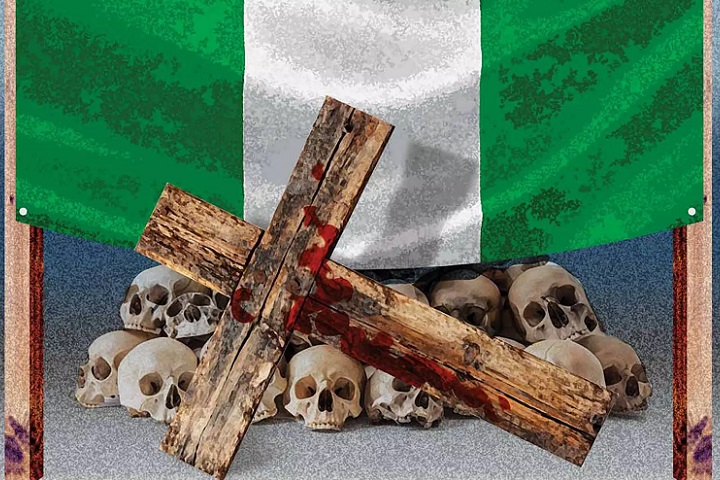
THIS DAWN — The United States has announced sweeping sanctions, including visa restrictions, on several Nigerians accused of participating in or enabling religious persecution, marking a significant escalation in Washington’s response to Nigeria’s worsening faith-based violence.

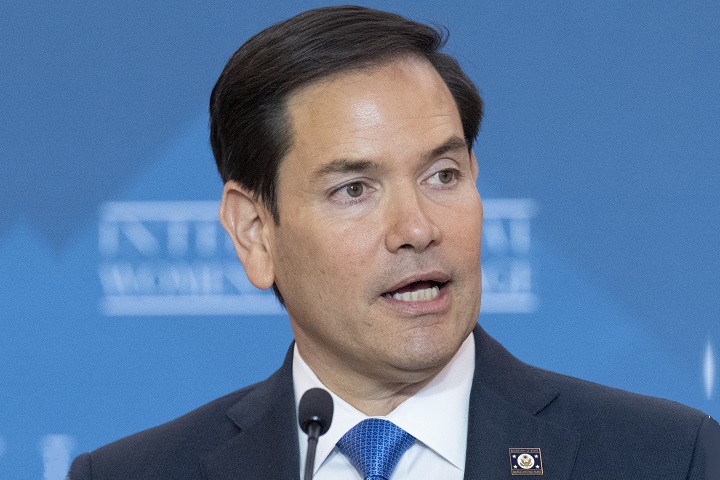
US Secretary of State Marco Rubio disclosed the measures on Wednesday in a post on X.
Rubio stated that the sanctions would apply to individuals who “knowingly direct, authorize, fund, support, or carry out violations of religious freedom.”
He emphasized that both state and non-state actors implicated in religious oppression in Nigeria and other countries facing similar crises would be targeted.
Rubio posted on his “X” (Twitter) handle, @SecRubio:
“The United States is taking decisive action in response to the atrocities and violence against Christians in Nigeria and around the world.
“The @StateDept will restrict U.S. visas for those who knowingly direct, authorize, fund, support, or carry out violations of religious freedom.
“This visa policy applies to Nigeria and other governments or individuals that persecute people for their religious beliefs.”
Rubio explained that the decision followed mounting evidence of “atrocities and violence against Christians”.
He stressed that Washington would continue to deploy diplomatic tools to support victims and deter abusers.
“We will not ignore credible reports of discrimination, mass killings, or coordinated attacks against religious communities,” he wrote.
Investigation ordered by Trump
Announcement of sanctions came less than 24 hours after US lawmakers convened a high-level roundtable in Washington.
The roundtable brought together foreign policy analysts, human rights advocates, and religious freedom experts.
The meeting forms part of an ongoing investigation ordered by President Donald Trump.
Trump wants claims of targeted persecution, land seizures, forced displacement, and extremist attacks across Nigeria’s northern and Middle Belt regions investigated.
Last month, Rep. Chris Smith, Chairman of the House Foreign Affairs Subcommittee on Africa, introduced a resolution.
The resolution called for punitive measures—including visa bans and asset freezes—on individuals and organisations accused of severe violations of religious freedom.
Smith specifically identified the Miyetti Allah Cattle Breeders Association of Nigeria (MACBAN) and Miyetti Allah Kautal Hore as groups of concern.
He urged the designation of Fulani ethnic militias in Benue and Plateau States as “Entities of Particular Concern” under the US International Religious Freedom Act.
MACBAN kicks
MACBAN swiftly rejected Smith’s allegations, insisting that the resolution unfairly grouped legitimate pastoralist associations with criminal gangs.
The association urged US policymakers to adopt a more balanced assessment of Nigeria’s complex security challenges.
Human rights groups, meanwhile, have welcomed the US sanctions.
They argued that it could pressure Nigerian authorities to confront long-standing failures in addressing religiously motivated violence.
However, some analysts cautioned that poorly targeted sanctions risk exacerbating communal tensions.
As of press time, the Nigerian government has yet to issue an official response to the new visa restrictions.