
TDThe United States and Israel have launched a fresh military strike on targets in Iran, marking a significant escalation in the already volatile Middle East situation.

Explosions were reported in Tehran and other areas in the early hours of today, and the Iranian government responded by closing its airspace and warning of possible retaliation.
The United States has not issued a formal joint announcement with Israel.
However, U.S. military and diplomatic actions over recent days — including withdrawal advisories from embassies and evacuation of non-essential personnel — indicate Washington’s deep involvement in the unfolding crisis.
Explosions Rock Iran’s Capital, as Israel Declares State of Emergency
Residents in Tehran reported multiple explosions across the city, including near government and military facilities.
Iran’s state media acknowledged the blasts but did not immediately confirm specific targets.
The situation prompted Iranian authorities to shut down the nation’s airspace and issue alerts amid fears of further strikes.
Israeli officials confirmed they carried out airstrikes designed to prevent perceived threats from Iran, citing national security imperatives.
Following the strikes, Israel closed its airspace and declared a state of emergency while issuing alerts to civilians about potential Iranian counter-attacks.
Sirens sounded across parts of Israel as the military prepared for possible missile responses from Tehran.
US Signals, Preparations and Evacuations
In recent days, the United States has taken a series of cautious but telling steps amid escalating tensions:
-
Ordered non-essential embassy staff in Israel to depart.
-
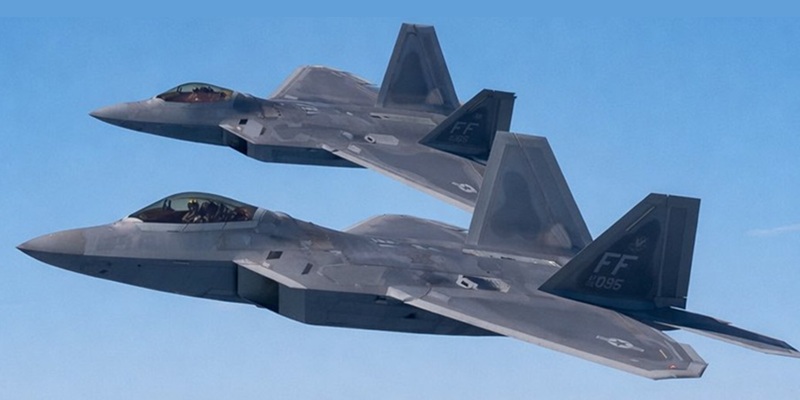
Deployed additional military assets and combat jets to the region.
-
Continued diplomatic engagement even as negotiations with Iran remain unresolved.
While Washington has not officially declared a joint strike, military posture and public messaging reflect urgent concern over Iran’s nuclear program and broader strategic threats.
Regional and Global Reactions Expected
The strikes intensify fears of a broader regional conflict involving Iran, Israel and possibly U.S. forces.
Iran has repeatedly warned of severe consequences for any military aggression, and world leaders are closely monitoring developments to prevent further escalation.
International efforts to resume nuclear negotiations continue, but recent diplomatic sessions have stalled amid divergent positions and deep mistrust.
Today’s airstrikes represent one of the most dramatic military escalations in recent Middle Eastern history, with potential repercussions for:
-
Regional stability
-
Global energy markets
-
International diplomatic relations
-
Civilian safety in Iran and neighboring countries
As events unfold rapidly, governments and citizens around the world are watching for responses from Tehran and further strategic alignments involving the United States and its allies.
This is developing news — further updates will follow as verified information becomes available.