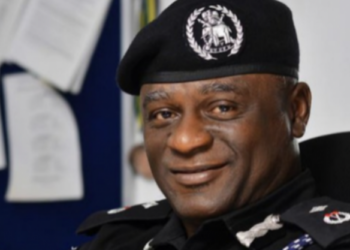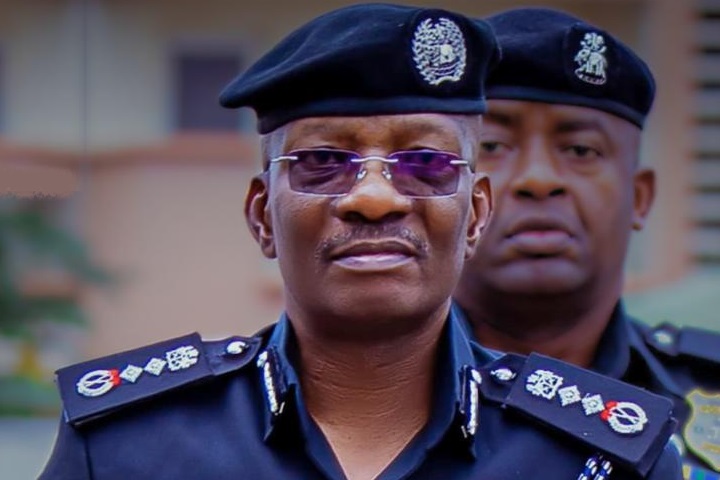
TDPresident Bola Ahmed Tinubu has dismissed Inspector-General of Police (IGP) Kayode Egbetokun, replacing him with Assistant Inspector-General (AIG) Tunji Disu.

The announcement, confirmed by reliable presidency and police sources, marks a significant shake-up in Nigeria’s security leadership.
Details of the Dismissal
Egbetokun was asked to tender his resignation during a closed-door meeting at the Presidential Villa in Abuja on Monday.
His tenure had been dogged by controversy, particularly after President Tinubu extended his service beyond the statutory retirement age of 60, a move that drew criticism from both within and outside the police force.
Senior officers reportedly expressed relief at the decision, citing concerns over morale, operational efficiency, and the need for generational change in leadership.
New Appointment
Tunji Disu, who previously headed the Force Criminal Investigation Department (FCID) Annex in Alagbon, Lagos, has now been appointed as the 23rd Inspector-General of Police.
Known for his professionalism and reform-minded approach, Disu has built a reputation for tackling organized crime and strengthening investigative procedures.
His appointment is expected to usher in a new era of policing, with emphasis on accountability, modernization, and restoring public trust in the force.
Background and Context
Kayode Egbetokun was appointed as the 22nd IGP on June 19, 2023, and later confirmed by the Nigeria Police Council in October 2023.
His tenure coincided with a period of heightened insecurity, including banditry, kidnapping, and communal clashes across several states.
Critics argue that his leadership failed to deliver the sweeping reforms promised, while supporters maintain that he faced systemic challenges beyond his control.
The dismissal comes at a time when President Tinubu’s administration is under pressure to demonstrate decisive action on national security, especially as Nigeria grapples with rising crime rates and public demand for police accountability.
Political and Security Implications
The move signals Tinubu’s willingness to recalibrate his security team, possibly as part of broader reforms aimed at strengthening law enforcement institutions.
Analysts suggest that Disu’s appointment could be part of a strategy to inject fresh energy into the police force, aligning with Tinubu’s broader agenda of governance renewal.
The change also underscores the delicate balance between political authority and institutional independence in Nigeria’s security architecture.
All Eyes on Disu
This development is likely to dominate national discourse in the coming days, with attention shifting to how Tunji Disu will navigate the complex challenges of policing in Nigeria.
His success or failure could significantly shape public perception of Tinubu’s administration and its commitment to security reform.