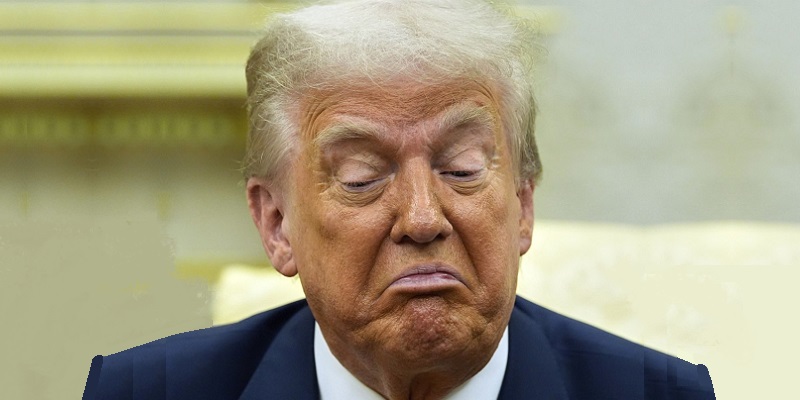
TDPresident Donald Trump has declared that he is “absolutely” considering withdrawing the United States from the North Atlantic Treaty Organization (NATO).

Observers note that the move could dramatically reshape global security and America’s role on the world stage.
Speaking to reporters, Trump reiterated his long-standing criticism of NATO members, accusing them of failing to meet defense spending commitments.
He argued that the U.S. shoulders an unfair share of the alliance’s costs and responsibilities.
He echoed his frequent claim that America is “paying to protect countries that don’t pay their fair share.”
This latest remark is one of the clearest signals yet that Trump is weighing a full withdrawal, rather than simply using tough rhetoric to pressure allies.
What Is NATO?
- Founded in 1949 in the aftermath of World War II to deter Soviet aggression.
- Membership: 32 countries across North America and Europe.
- Core principle: Collective defense — an attack on one member is considered an attack on all.
- Role today: Beyond Europe, NATO has coordinated missions in Afghanistan, Libya, and counterterrorism operations worldwide.
For decades, NATO has been the cornerstone of U.S. foreign policy, anchoring America’s military presence in Europe and reinforcing transatlantic unity.
Global Reactions
European leaders are already voicing alarm. Diplomats warn that a U.S. withdrawal could:
- Undermine deterrence against Russia and other adversaries.
- Weaken Europe’s defense posture, forcing nations to rapidly increase military spending.
- Signal a historic break in transatlantic relations, potentially emboldening authoritarian states.
Officials in Berlin, Paris, and Brussels are reportedly scrambling to assess the consequences.
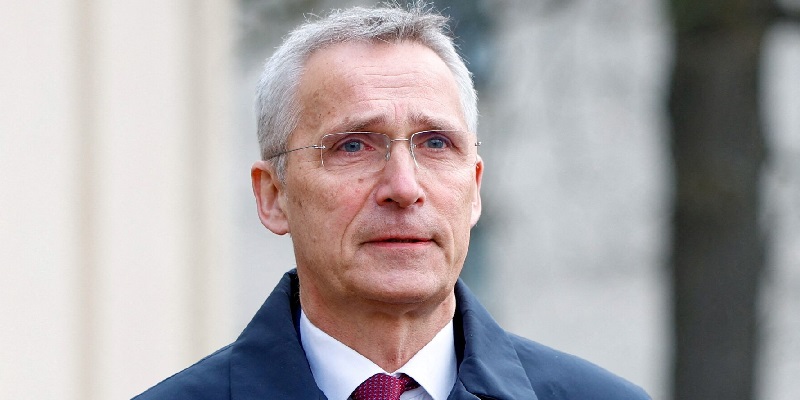
NATO Secretary-General Jens Stoltenberg has previously cautioned that U.S. disengagement would “fracture the alliance at its core.”
Historical Context
This is not the first time Trump has clashed with NATO:
- 2018 Brussels Summit: Trump threatened to “go it alone” unless allies boosted defense budgets.
- Cold War Era: U.S. presidents from Truman to Reagan consistently reaffirmed NATO as vital to Western security.
- Post-9/11: NATO invoked Article 5 — collective defense — for the first time, standing with the U.S. after the terrorist attacks.
A withdrawal would mark the most dramatic reversal in U.S. foreign policy since the alliance’s creation.
What’s Next?
The statement is likely to spark intense debate in Washington, where lawmakers from both parties have historically supported NATO.
Analysts suggest several possible scenarios:
- Negotiating tactic: Trump may be using the threat of withdrawal to pressure allies into higher spending.
- Partial disengagement: The U.S. could reduce troop deployments or funding without formally leaving.
- Full exit: A complete withdrawal would leave NATO without its largest military power, fundamentally altering its credibility.
Trump’s remarks have sent shockwaves through global capitals.
Whether this is a bargaining strategy or a genuine policy shift remains unclear, but the implications are enormous.
NATO without the U.S. would be a fundamentally different alliance, raising questions about Europe’s ability to defend itself and the future of Western security.