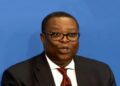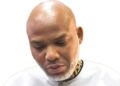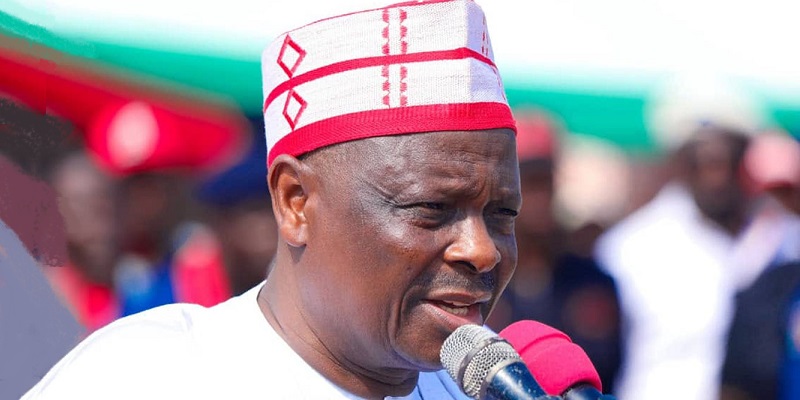
THIS DAWN — In a move that has sent shockwaves across Nigeria’s political scene, Dr. Rabiu Musa Kwankwaso, former presidential candidate of the New Nigeria Peoples Party (NNPP), and his protégé, Governor Abba Kabir Yusuf of Kano State, have joined the ruling All Progressives Congress (APC).

The defection effectively erases NNPP’s presence as a governing party and repositions Kwankwaso’s influential Kwankwasiyya movement within the APC fold.
Background
The two‑time governor of Kano State and former senator founded the NNPP as a platform to challenge Nigeria’s dominant parties.
His protégé, Abba Kabir Yusuf, won the Kano governorship in 2023, making NNPP one of the few opposition parties to control a state.
However, persistent internal divisions, legal challenges, and the lure of national influence have culminated in their decision to defect.
Reports indicate that Yusuf’s defection was long anticipated.
His aides and party insiders suggesting he had consulted widely with Kano stakeholders, including members of the state House of Assembly and local government chairmen.
Kwankwaso’s decision to follow suit consolidates the move and signals the end of NNPP’s brief prominence.
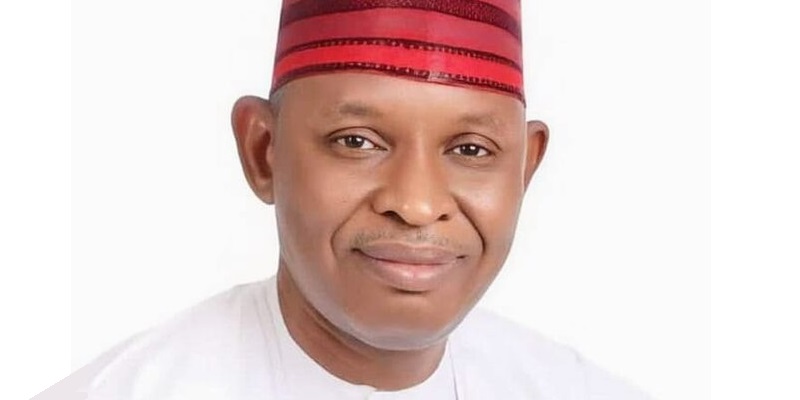
Kwankwaso and His Kwankwasiyya Movement
Central to this development is the Kwankwasiyya movement, Kwankwaso’s grassroots political structure that has dominated Kano politics for decades.
The movement’s leaders had recently pleaded with Kwankwaso and Yusuf to lead them into the APC.
They argue that aligning with the ruling party would give their principal a stronger shot at the presidency.
Their appeal reflects the pragmatic calculations of political survival and influence in Nigeria’s fluid party system.
Implications for NNPP
Governor Yusuf was NNPP’s only sitting governor.
His defection, alongside his godfather, effectively erases NNPP from Nigeria’s map of governing parties.
Without control of any state, NNPP’s bargaining power at the national level diminishes drastically.
Analysts argue that the party may struggle to remain relevant ahead of the 2027 general elections, as its most prominent figures have now crossed over to APC.
For the APC, the defections represent a significant boost.
Kano State, Nigeria’s most populous northern state, is a critical electoral battleground.
By absorbing Kwankwaso and Yusuf, APC strengthens its hold on Kano and gains access to Kwankwaso’s vast grassroots network.
This could prove decisive in future elections, particularly in consolidating northern votes.
The move also neutralizes Kwankwaso as a potential challenger from outside APC.
His presidential ambitions, previously pursued under NNPP, may now be recalibrated within APC’s structures, potentially positioning him for a national role.
Political Reactions on Kwankwaso Move
The defections have sparked mixed reactions.
Supporters of Kwankwaso and Yusuf within Kano welcomed the move, seeing it as a pragmatic step to secure development and political stability.
Critics, however, accuse them of abandoning the ideals of NNPP and succumbing to political expediency.
Opposition parties have condemned the defections as further evidence of Nigeria’s weak party ideology.
Politicians frequently switch allegiances for strategic advantage rather than policy differences.
The defection of Rabiu Musa Kwankwaso and Governor Yusuf to APC marks a watershed moment in Nigerian politics.
It reshapes the balance of power in Kano, weakens NNPP to near irrelevance, and strengthens APC’s dominance ahead of 2027.
For Kwankwaso, it is a return to mainstream politics with renewed prospects.
For Yusuf, it is a calculated move to secure his governorship and align with the ruling party.
Ultimately, this development underscores the fluid nature of Nigeria’s political system, where alliances shift rapidly.
In the meantime, grassroots movements like Kwankwasiyya remain pivotal in determining electoral outcomes.