TDPresident Donald Trump ignited a fresh wave of diplomatic tension on Tuesday with a provocative statement aimed at U.S. European allies grappling with jet fuel shortages due to the ongoing crisis in the Strait of Hormuz.

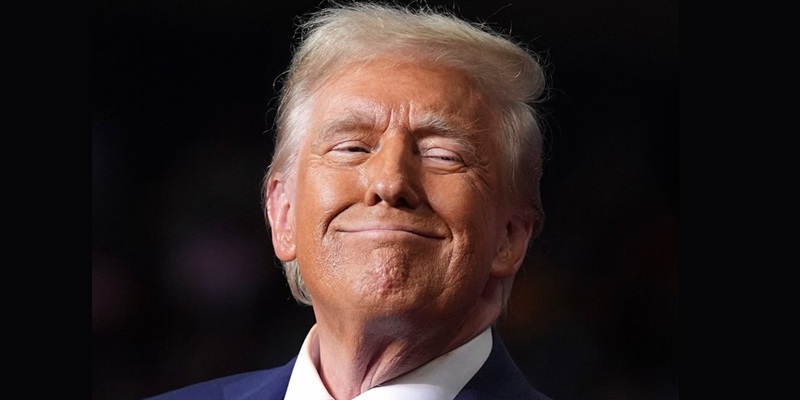
Taking to his Truth Social handle, Trump wrote:
“All of those countries that can’t get jet fuel because of the Strait of Hormuz, like the United Kingdom, which refused to get involved in the decapitation of Iran, I have a suggestion for you:
Number 1, buy from the U.S., we have plenty, and Number 2, build up some delayed courage, go to the Strait, and just TAKE IT.
You’ll have to start learning how to fight for yourself, the U.S.A. won’t be there to help you anymore, just like you weren’t there for us.
Iran has been, essentially, decimated. The hard part is done. Go get your own oil!”
See the screenshot below:

The remark, initially delivered during a press briefing at the White House, has stirred global reaction.
The President’s use of the phrase “decapitation of Iran” is widely interpreted as a reference to recent U.S. military operations targeting senior Iranian leadership.
The actions have destabilized the region and disrupted global energy flows.
The ambiguity of his “suggestion” has left diplomats scrambling to interpret its implications.
Jet Fuel Crisis Deepens
The Strait of Hormuz, a narrow but critical waterway between the Persian Gulf and the Gulf of Oman, is responsible for transporting nearly a fifth of the world’s oil and a significant portion of refined jet fuel.
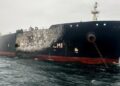
Recently, the Strait has been fraught with escalations—including drone strikes, naval skirmishes, and retaliatory blockades.
Commercial tankers have been rerouted or halted altogether, triggering a cascading supply crisis.
European nations, particularly the United Kingdom, have been hit hard.
Heathrow and Gatwick airports have reported jet fuel rationing measures, and several transatlantic flights have been canceled or rerouted.
Military readiness is also under strain.
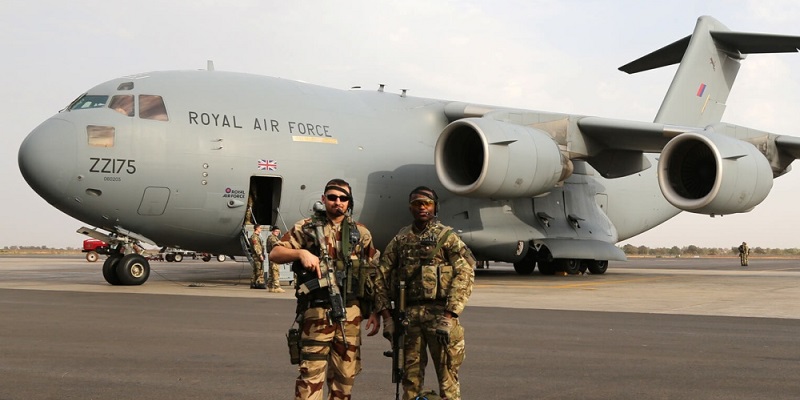
The Royal Air Force is reportedly prioritizing strategic missions over training exercises due to limited fuel reserves.
A Suggestion or a Warning?
Trump’s cryptic “suggestion” has sparked intense speculation.
Some analysts interpret it as a thinly veiled ultimatum: support U.S. military initiatives or face the consequences of energy isolation.
Others believe it may signal a shift toward bilateral jet fuel agreements, where the U.S. could offer reserves or logistical support to compliant allies.
Energy experts also point to alternative sourcing strategies.
The U.S. may be encouraging allies to tap into West African oil fields, increase domestic refining capacity, or invest in synthetic aviation fuels.
However, such transitions require time, infrastructure, and political will—luxuries not afforded in a crisis.
Global Reactions and Diplomatic Ripples
The UK Foreign Office has yet to issue a formal response, but insiders suggest the comment has stirred unease in Westminster.
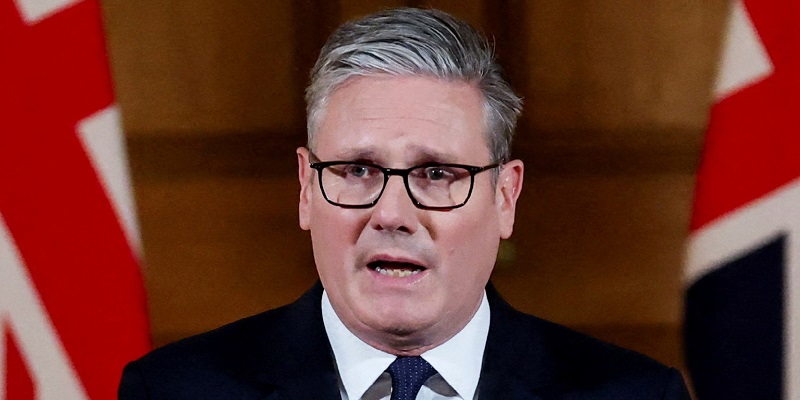
Prime Minister Keir Starmer is reportedly consulting with NATO partners to assess the broader implications of Trump’s remarks.
He is also reportedly consulting to coordinate a unified response.
In Brussels, EU energy ministers convened an emergency summit to discuss fuel rationing.
They are expected to come up with a resolution on strategic reserves and potential diplomatic outreach to Gulf nations.
Germany and France have called for de-escalation and renewed dialogue, emphasizing the need for stability over confrontation.
Meanwhile, Iran has condemned the U.S. actions as “imperialist aggression” and vowed to defend its sovereignty.
Tehran’s Revolutionary Guard has increased patrols in the Strait, and regional allies have warned of further retaliation if provocations continue.
What Next for Jet Fuel?
Trump’s statement underscores a growing divide between military assertiveness and diplomatic caution among Western allies.
As the jet fuel crisis intensifies, the world watches to see whether Trump’s “suggestion” will evolve into a formal policy directive—or a geopolitical litmus test for loyalty.
The coming weeks may determine not only the fate of global fuel logistics but also the durability of transatlantic alliances.
With energy security now entangled with military strategy, the Strait of Hormuz has once again become the fulcrum of global power politics.