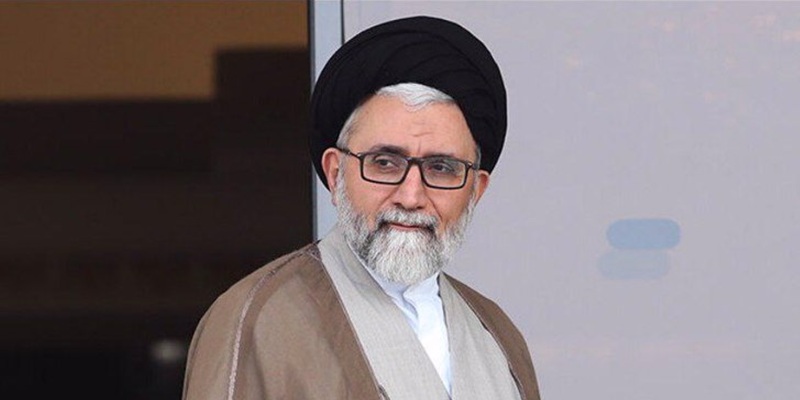
TDIsrael has announced that its military has killed Iran’s Intelligence Minister Esmail Khatib in a targeted strike, though Tehran has not yet confirmed the report.

The move marks a major escalation in the shadow war between Israel and Iran.
Key Facts
- Target: Esmail Khatib, Iran’s Minister of Intelligence.
- Date: March 18, 2026.
- Location: Reported Israeli airstrike on Tehran.
- Announcement: Israeli Defence Minister Israel Katz confirmed the killing, promising “significant surprises” across multiple fronts.
- Authorization: Katz stated that the Israeli military has been granted authority to target any senior Iranian official without requiring further approval from the government.
- Iran’s Response: As of now, no official confirmation has come from Tehran regarding Khatib’s death.
Why It Matters
- Khatib’s Role: He oversaw Iran’s intelligence apparatus, responsible for suppressing domestic dissent and pursuing dissidents abroad. His ministry was central to both internal repression and foreign operations.
- Escalation Risk: Targeting a sitting minister is an unprecedented escalation, raising fears of direct retaliation by Iran against Israeli or allied interests.
- Regional Impact: The strike comes amid heightened tensions across the Middle East, with Israel warning of “surprises” on multiple fronts, suggesting further military actions may follow.
Risks & Implications
- Iranian Retaliation: Tehran may respond with missile strikes, cyberattacks, or proxy operations via Hezbollah and other allied groups.
- Global Security: The killing could destabilize oil markets and heighten risks in the Strait of Hormuz, already tense due to Iran’s recent actions.
- Diplomatic Fallout: Israel’s unilateral authorization to target senior Iranian officials could strain relations with allies concerned about escalation.
Israel’s claim of killing Esmail Khatib, Iran’s Intelligence Minister, represents one of the most significant escalations in the Israel–Iran conflict in recent years.
While Israel has confirmed the strike, Iran has yet to acknowledge the death, leaving uncertainty about the immediate fallout.
Analysts warn that this could trigger a new phase of confrontation, with potential ripple effects across the Middle East and beyond.